
Furnace vs Boiler in Bonner County, Idaho
When a furnace makes sense
If your house already has ductwork, a furnace is the straightforward choice. Most homes in this region are set up this way, and that ductwork can also carry cooling later if you ever add central air. With ten months of heating a year and nights averaging 22°F, you want a system that's already matched to your home rather than one that needs new infrastructure.
When a boiler makes sense
A boiler makes sense if your home is already plumbed for radiators or in-floor heat, or if you'd rather not deal with ducts at all. It runs about 5% cheaper than a furnace here, which adds up over a heating season that stretches ten months. Heat from radiators or floor pipes tends to feel steadier through those long 22°F nights, since it doesn't cycle on and off the way forced air does.

Furnace
- Runs on
- Natural gas
- What it does
- Heats only
- Tax credit
- No federal tax credit since the end of 2025
Sources: U.S. Department of Energy · Internal Revenue Code
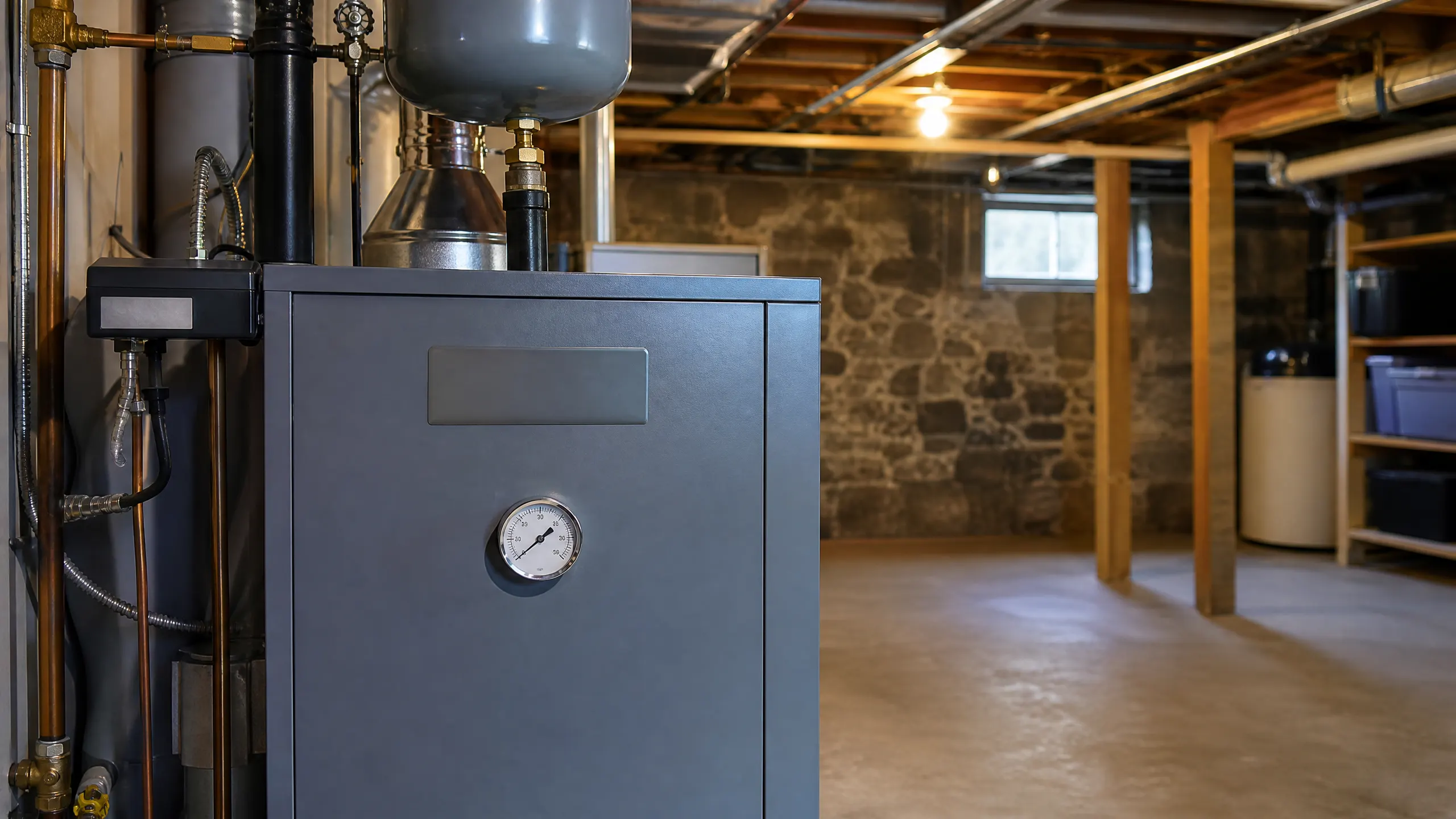
Boiler
- Runs on
- Natural gas
- What it does
- Heats only
- Tax credit
- No federal tax credit since the end of 2025
Sources: U.S. Department of Energy · Internal Revenue Code
Furnace wins in Bonner County.
In the Mountain West, 69.6% of homes heat with a furnace, so most already have the ductwork it needs.
If your home already heats through radiators or in-floor pipes instead of ducts, a boiler is still the better choice.
Find a contractor| Compared on | Furnace | Boiler |
|---|---|---|
| Cost to run here | Costs more to run | About 5% less to run |
| What it does | Heats only | Heats only |
| Homes in the Mountain West that heat with one | 69.6% | 4.3% |
| Handles a 22°F night | Yes | Yes |
Sources: U.S. Energy Information Administration, U.S. Department of Energy, NOAA
When a furnace makes sense
If your house already has ductwork, a furnace is the straightforward choice. Most homes in this region are set up this way, and that ductwork can also carry cooling later if you ever add central air. With ten months of heating a year and nights averaging 22°F, you want a system that's already matched to your home rather than one that needs new infrastructure.
When a boiler makes sense
A boiler makes sense if your home is already plumbed for radiators or in-floor heat, or if you'd rather not deal with ducts at all. It runs about 5% cheaper than a furnace here, which adds up over a heating season that stretches ten months. Heat from radiators or floor pipes tends to feel steadier through those long 22°F nights, since it doesn't cycle on and off the way forced air does.
A Bonner County contractor will price both against your own house, your ductwork and your panel.
Tell us about the job
It takes about a minute.