
Furnace Installation in Preston, ID
A new furnace here will run from September through June every year. Tell us about the house, and a licensed contractor who covers Franklin County will get in touch.
Tell us about the job
It takes about a minute.
Ten months of heat, nights down near 16°F
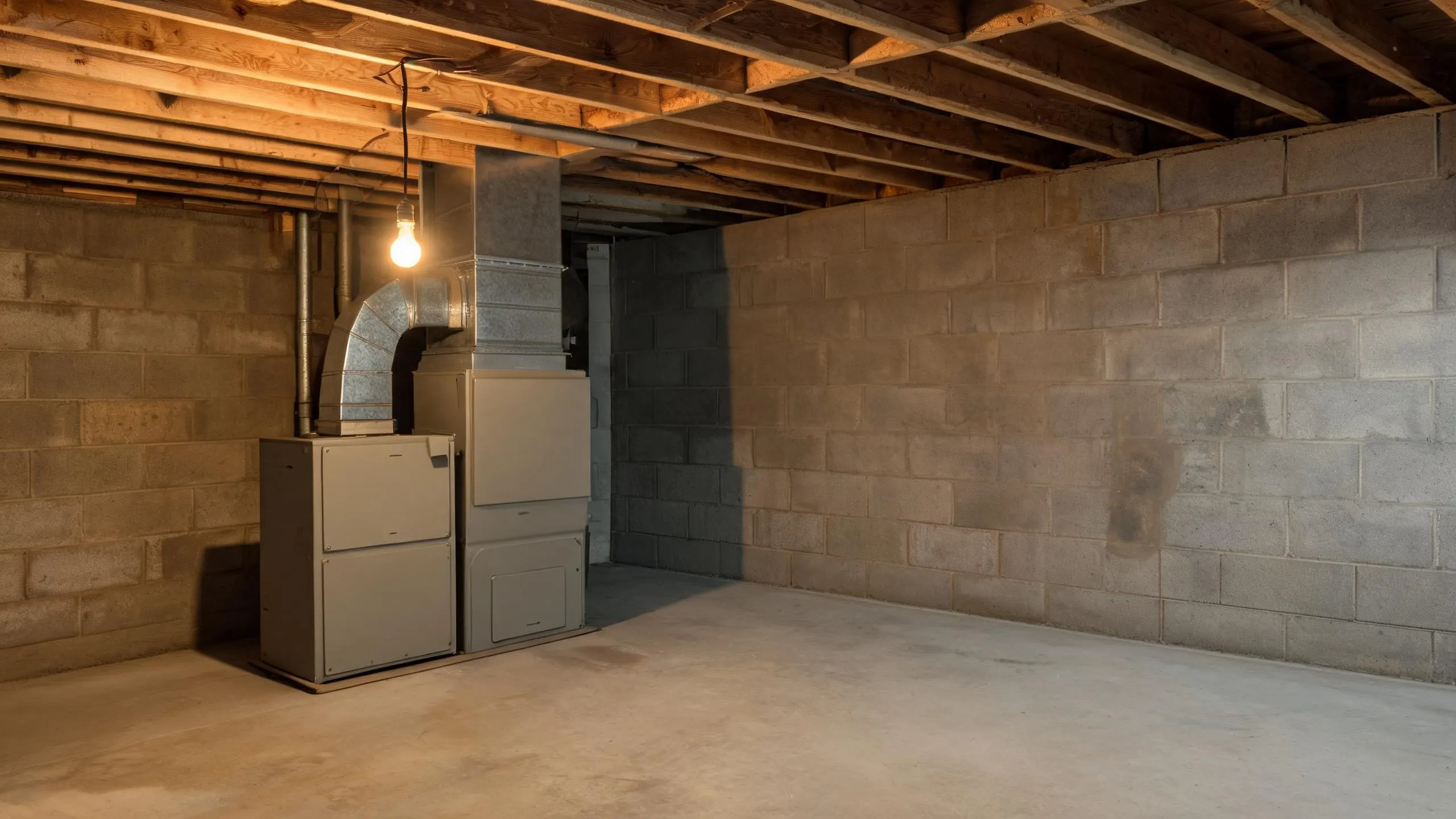
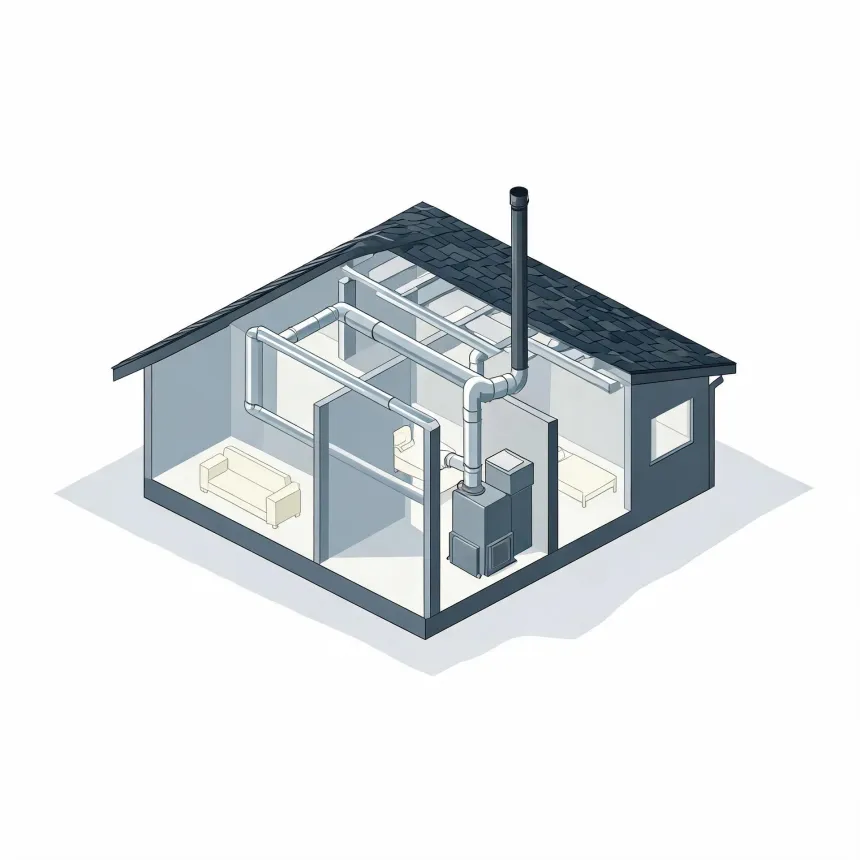
In Preston, a furnace runs from September through June. That is ten months of the year it has to work, with only a couple months to rest. Winter nights average 16°F, so it has to hold that line night after night without strain.
Any new gas furnace built after November 2015 has to reach at least 80 percent AFUE by federal rule. Beyond that floor, what matters is whether it is sized right for a Preston winter and installed to run that long a season without trouble. Power is part of that picture too. Idaho households went at least 24 hours without power in 11 percent of cases in 2024, and the county has logged 62 winter storms and 10 damaging wind events over the past ten years. A furnace that comes back on by itself once power returns matters here.
- 10 months
- September through June, your furnace is on duty
- 16°F
- the average winter night it heats against
- 80% AFUE
- the federal minimum any new unit must meet
NOAA nClimDiv, 1991–2020 normals
Idaho requires HVAC contractors to hold a state license.
The license is issued to the contractor, not to the job, so it covers the business doing the work rather than any single furnace install. The HVAC Board tested and records that contractor before letting them take on jobs like this one, which is what separates a licensed installer from someone working without any state record at all.
For a furnace installation in Franklin County, that license is what stands behind the person in your home, but the job itself still gets checked separately. Most cities and counties require a permit for a furnace replacement and an inspection once the work is done, which is where the gas connections and venting get looked at by someone other than the installer. That inspection is the part that catches a bad connection, the most dangerous point in a furnace install.
Sources: Idaho Legislature · Idaho Division of Occupational and Professional Licenses
- What size furnace does my house need?
- The right size depends on your square footage, your insulation, your windows, and your home's layout, so there's no number that works for every house. A contractor sizes it with a load calculation that looks at all of that together, not just square footage. With winter lows here averaging 16°F, getting this right matters more than it would somewhere milder. Too big and it cycles on and off without ever running long enough to heat evenly. Too small and it runs constantly and still can't keep up on the coldest nights.
- How do I know it's time to replace my furnace?
- Watch for repairs that keep coming back, uneven heat between rooms, and a furnace that runs longer than it used to just to hold the same temperature. Homes here need heat from September through June, so a furnace on its way out gets worked hard for most of the year with little time to rest. If yours is old enough that parts are getting harder to find, or a repair would cost a large share of what a new one runs, replacement usually makes more sense than another patch. A contractor can tell you which side of that line your furnace is on.
- Is a high-efficiency furnace worth it?
- It depends on how many months your furnace runs and how long you plan to stay in the house. With heat needed here 10 months of the year, a furnace spends a lot more time working than it would somewhere with a short winter, so efficiency gains add up faster. Furnaces built since November 2015 already have to hit at least 80 percent AFUE, and high-efficiency models go higher than that. A contractor can walk you through the actual efficiency ratings available and what fits your house.