
HVAC Installation in Nampa, ID
A new system here will heat from October through May and cool from June through August every year. Tell us about the house, and a licensed contractor who covers Canyon County will get in touch.
Tell us about the job
It takes about a minute.
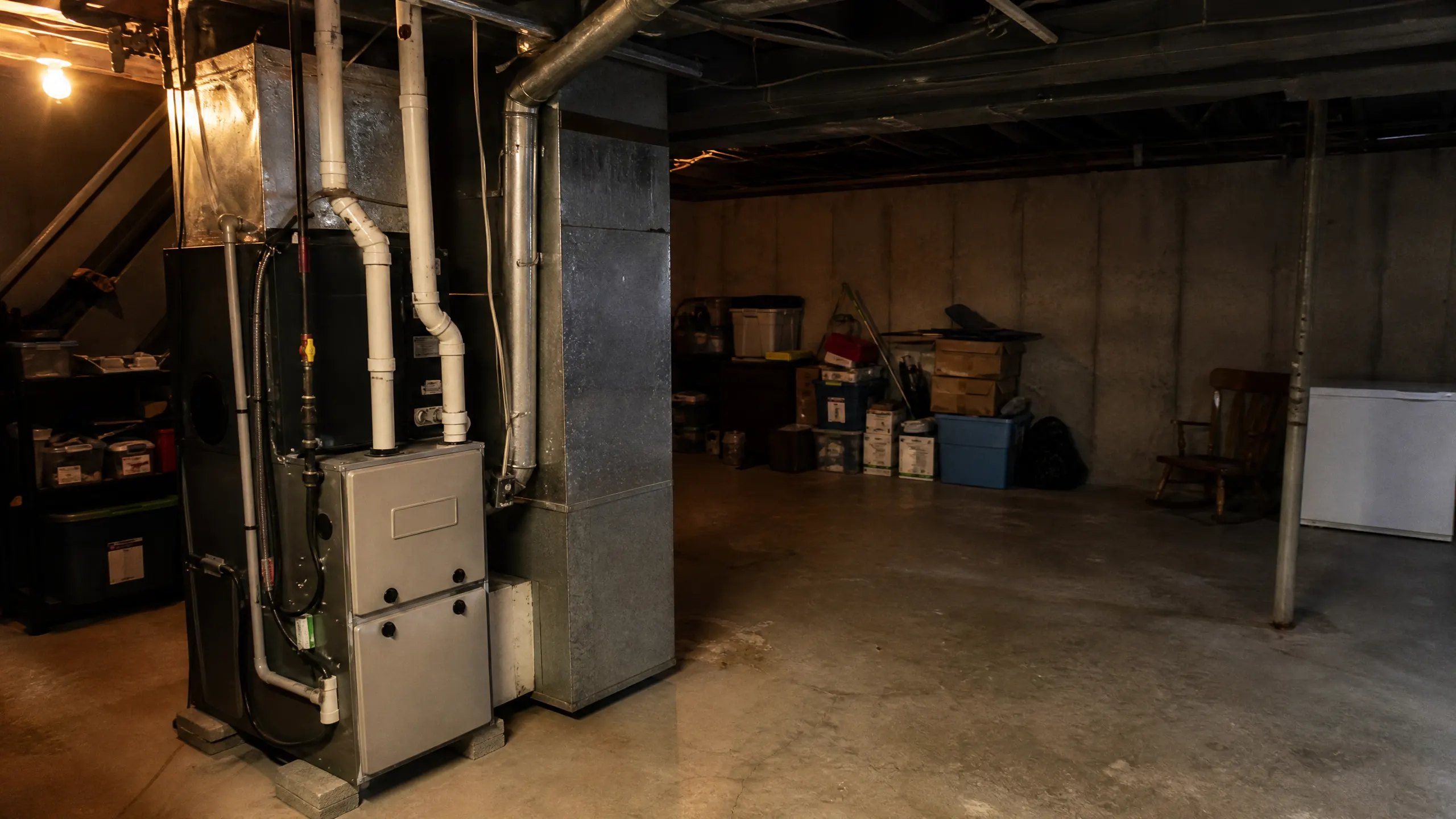
Eleven months of the year, your system is working
Nampa homes need heat from October through May and cooling from June through August. That leaves only a few weeks in spring and fall when a furnace or air conditioner gets to rest. A new system here has to handle winter nights that average 25°F and summer afternoons near 89°F, with little time between the two.
Most homes in the area heat with gas, so a furnace replacement usually means matching that setup unless you are changing how the house is heated. Whatever you install has to meet the federal minimum efficiency rating for this region. Canyon County has also seen 37 winter storms and 13 damaging wind events over the past ten years, and outages happen here too. That is worth weighing when you decide what kind of system, and what backup, makes sense for your house.
- 8 months
- October through May, your system heats
- 3 months
- June through August, it cools
- 25°F
- the average winter night it heats against
- 89°F
- the average summer afternoon it cools against
NOAA nClimDiv, 1991–2020 normals
Idaho requires HVAC contractors to hold a state license.
The license is held by the contractor, not issued for each job. Idaho's HVAC Board tests and records the person or company doing the work, so it follows them from one installation to the next rather than being something pulled for this specific system.
That license is what stands behind an installation like this one. Beyond it, most cities and counties in Idaho require a permit from the local building office when a furnace, air conditioner or heat pump goes in, with an inspection once the work is finished. The permit and inspection are separate from the license itself, and they are what catches problems in the finished installation rather than in the contractor's standing.
Sources: Idaho Legislature · Idaho Division of Occupational and Professional Licenses
- When should I replace my HVAC system?
- Replace it once repairs get frequent or a contractor tells you the parts you need are getting hard to find. Watch for rooms that heat or cool unevenly, a furnace that short cycles, or an air conditioner that runs longer than it used to. Homes here need heat from October through May and cooling from June through August, so a system that fails in the middle of either stretch leaves you without the one you need most. If your equipment is old and needs a repair, replacing it usually makes more sense than putting more money into it.
- Should I replace my furnace and air conditioner at the same time?
- If both are old, yes, and here is why. A furnace and air conditioner installed together are matched to work as one system, and pairing a new unit with an aging one can mean the old one fails first anyway, forcing a second installation later. Replacing both together also means only one inspection and one round of work on the ductwork and refrigerant lines instead of two. If one unit is much newer than the other, a contractor can tell you whether it is worth keeping for now.
- What happens during an HVAC installation?
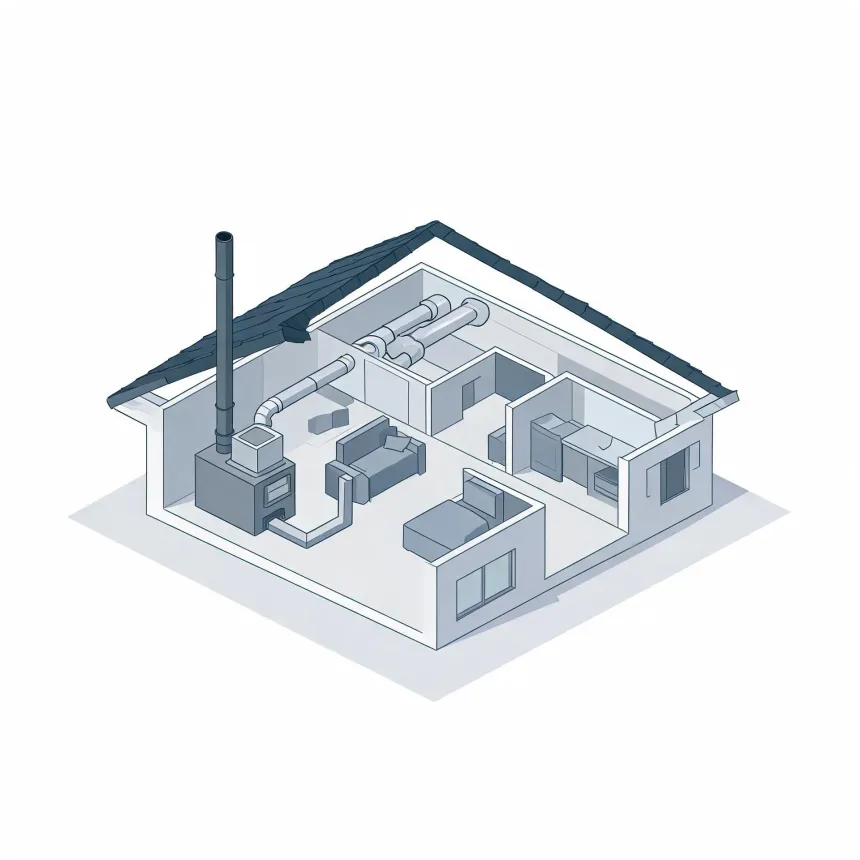
- A contractor removes the old furnace, air conditioner, or both, and sets the new equipment in place, connecting it to the existing ductwork, gas line, electrical circuit, and refrigerant lines. They check the ducts for leaks or sizing problems, since a new system moving air through undersized or leaky ducts will not perform the way it should. Most cities and counties require a permit for this work and an inspection once it is done, which confirms the installation meets code. The job is priced and scheduled around the specific house, so a contractor will walk through those details before work starts.