
HVAC Repair in Bonners Ferry, ID
If your system quits, tell us what it's doing and a licensed contractor who covers Boundary County will get in touch.
Tell us about the job
It takes about a minute.
Ten months of heat, and nights that drop to 20
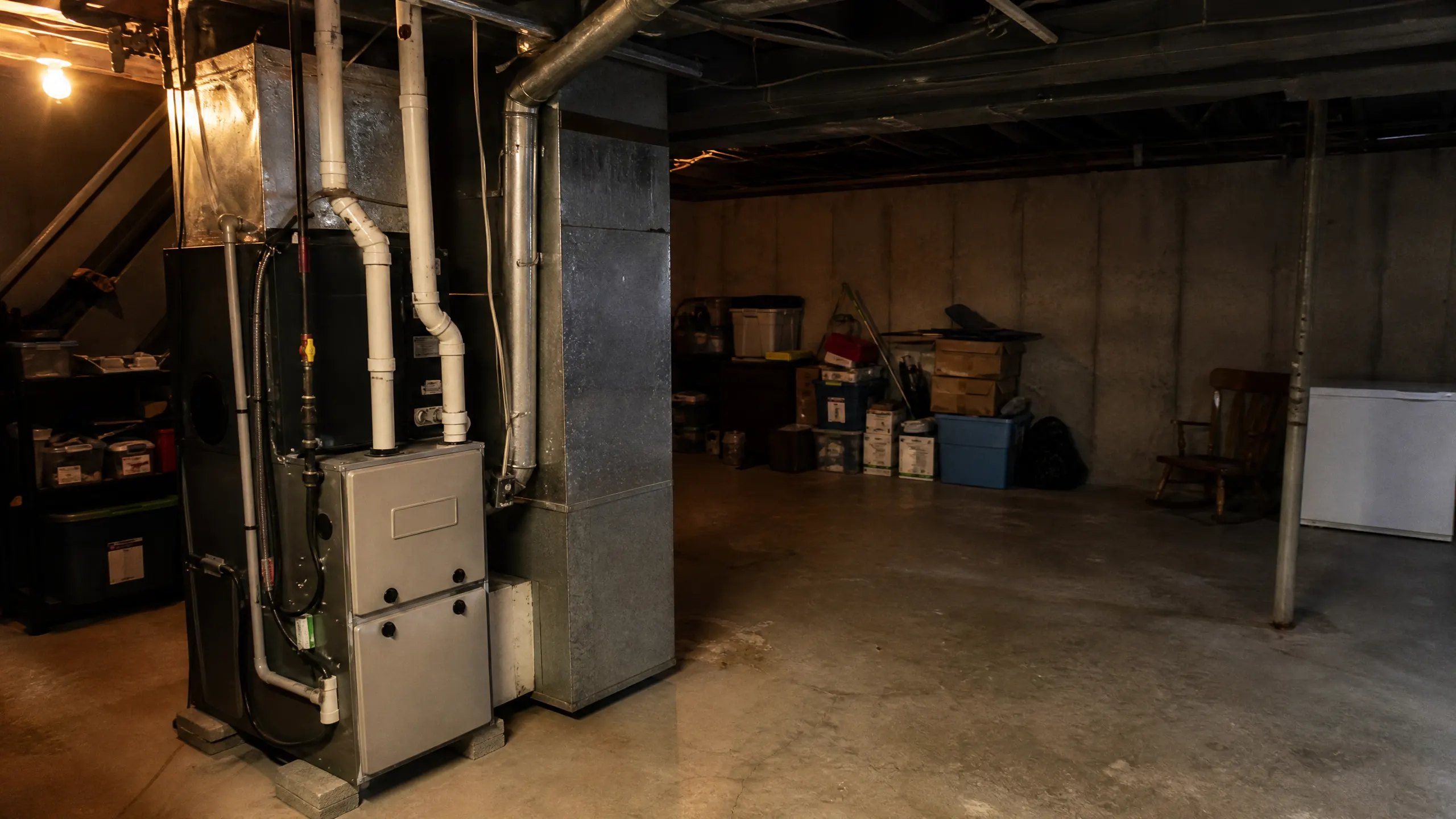
Bonners Ferry runs its furnace September through June. That is ten months a year the burner is lighting, and on winter nights that average 20°F, it is lighting often, cycling on and off to keep up. Each start puts wear on the igniter and the flame sensor, and those are usually the first parts to fail. When the igniter goes, the furnace won't light at all, and the house goes cold on the coldest nights of the year.
Summer asks almost nothing of the system here, with afternoons averaging 71°F. The strain runs the other way, all on the heating side. The county has logged 338 winter storms and 41 damaging wind events over the past ten years, and statewide, 11% of households lost power for at least a day in 2024. A furnace that loses power mid-winter needs to come back on and light again once it returns, and that is one more moment where a weak igniter or a fouled sensor shows itself.
- 10 months
- September through June, your system heats
- 20°F
- the average winter night it heats against
- 71°F
- the average summer afternoon it cools against
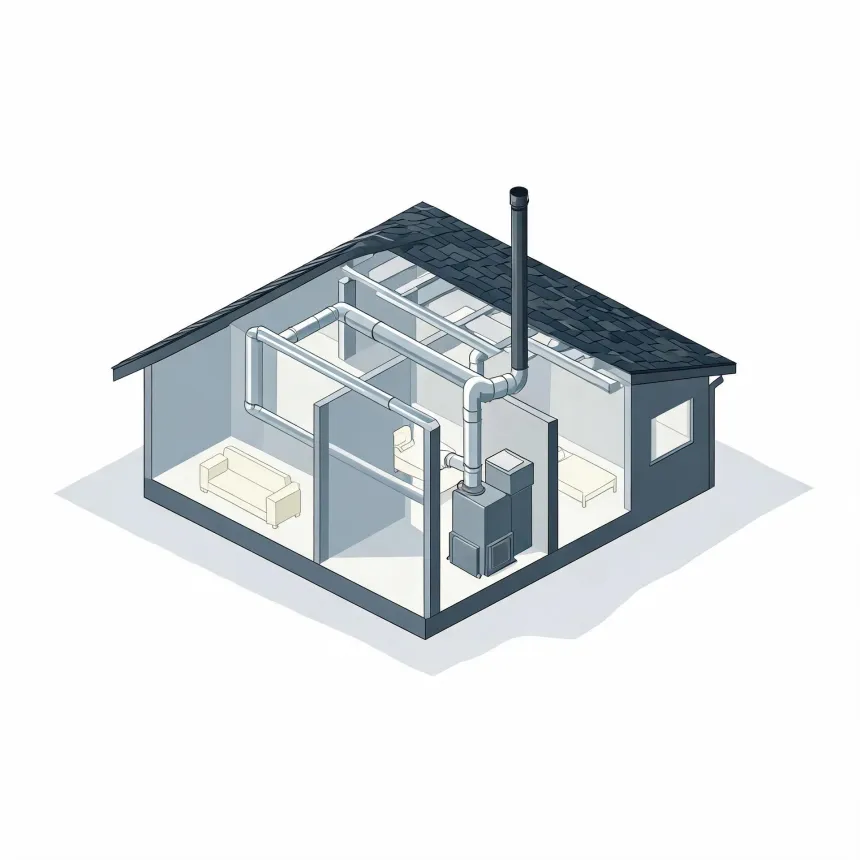
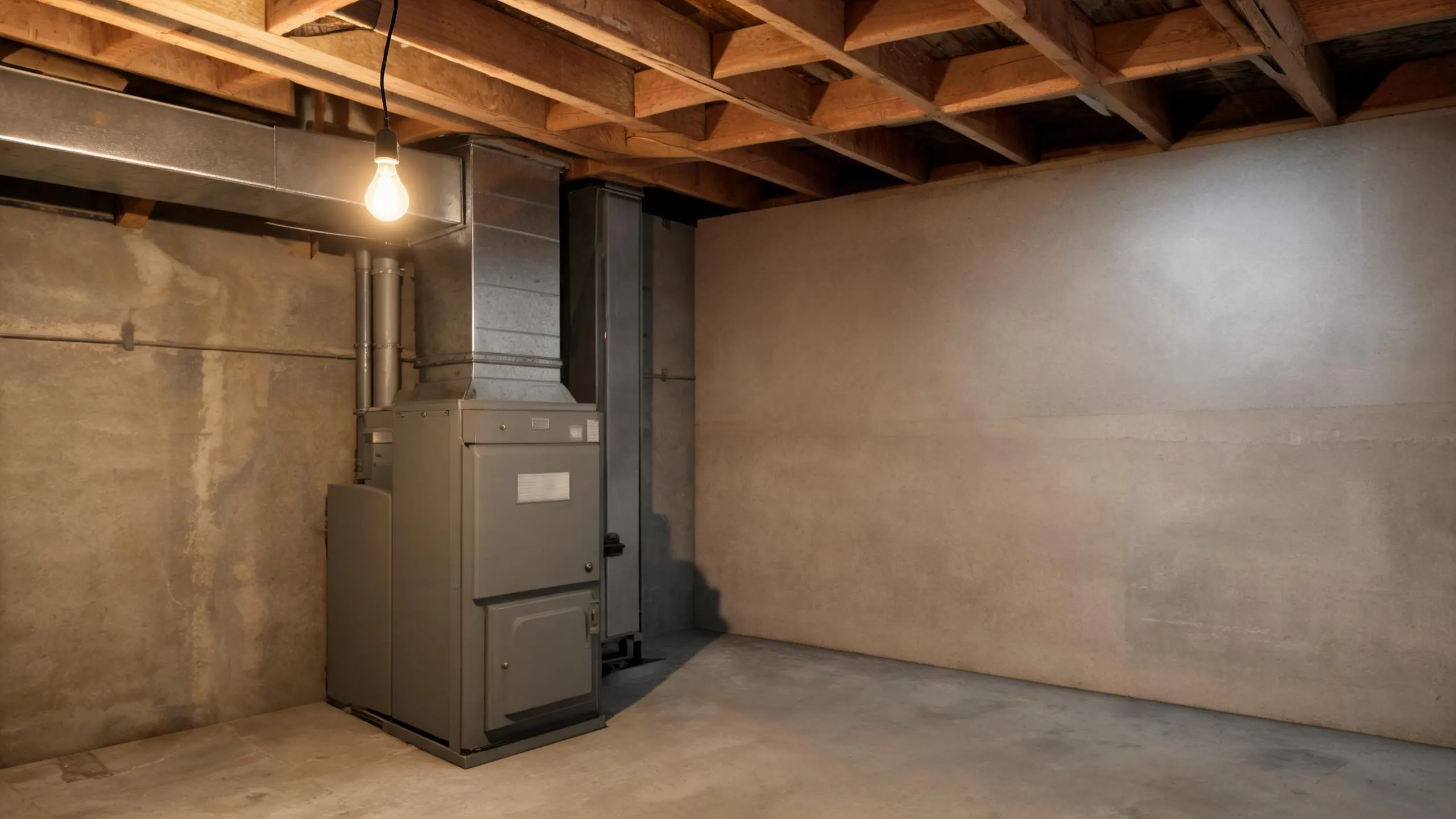
A new furnace and air conditioner would cut about $110 a year off heating and cooling for a typical Boundary County home.
Estimates for a typical Boundary County home, compared with an older unit built to the previous federal minimum, from EIA household energy data, Idaho fuel prices and NOAA climate normals. Your home will differ.
Repair makes sense when one part has failed.
Replacement makes sense when the furnace's heat exchanger is cracked, the air conditioner's compressor has failed, or repairs keep coming.
Idaho requires HVAC contractors to hold a state license.
The HVAC Board tests contractors before granting this license, and it keeps a record of who holds one. What it licenses is the contractor, not the individual job, so the same license covers the work whether it is a furnace repair, a coil replacement, or anything else in the system.
For a repair job like this one, that license is what stands behind the person doing the work. Idaho put the testing and the record on the contractor, so the license itself is the protection here.
Sources: Idaho Legislature · Idaho Division of Occupational and Professional Licenses
- Why is my heat not working?
- Most no-heat calls come down to the igniter, the flame sensor, or a clogged filter choking off airflow. If the furnace runs but never gets hot, or shuts off after a few minutes, the flame sensor is a common cause. Check your thermostat batteries and the breaker first. With winter nights here averaging 20°F, it is worth getting a contractor out the same day rather than waiting.
- Why is my system running but not cooling the house?
- If the blower is running but the air is not cold, the system is likely low on refrigerant or the outdoor coil is blocked with dirt or leaves. A frozen indoor coil will also push air that feels barely cool. Check that nothing is stacked against the outdoor unit and that the filter is not clogged before calling anyone in.
- What can I check before calling for HVAC repair?
- Start with the filter. A filter clogged with dust cuts airflow and can cause both weak heat and weak cooling. Check that the thermostat is set to heat or cool as intended and has working batteries, and look at the breaker or fuse box for a tripped switch. If the outdoor unit is covered in snow or debris, clear it. A contractor can price and diagnose whatever those steps do not fix.