
HVAC Repair in Gooding, ID
Homes here need heat from October through May and cooling from July through August. If your system quits, tell us what it's doing and a licensed contractor who covers Gooding County will get in touch.
Tell us about the job
It takes about a minute.
Ten months of run time in Gooding County
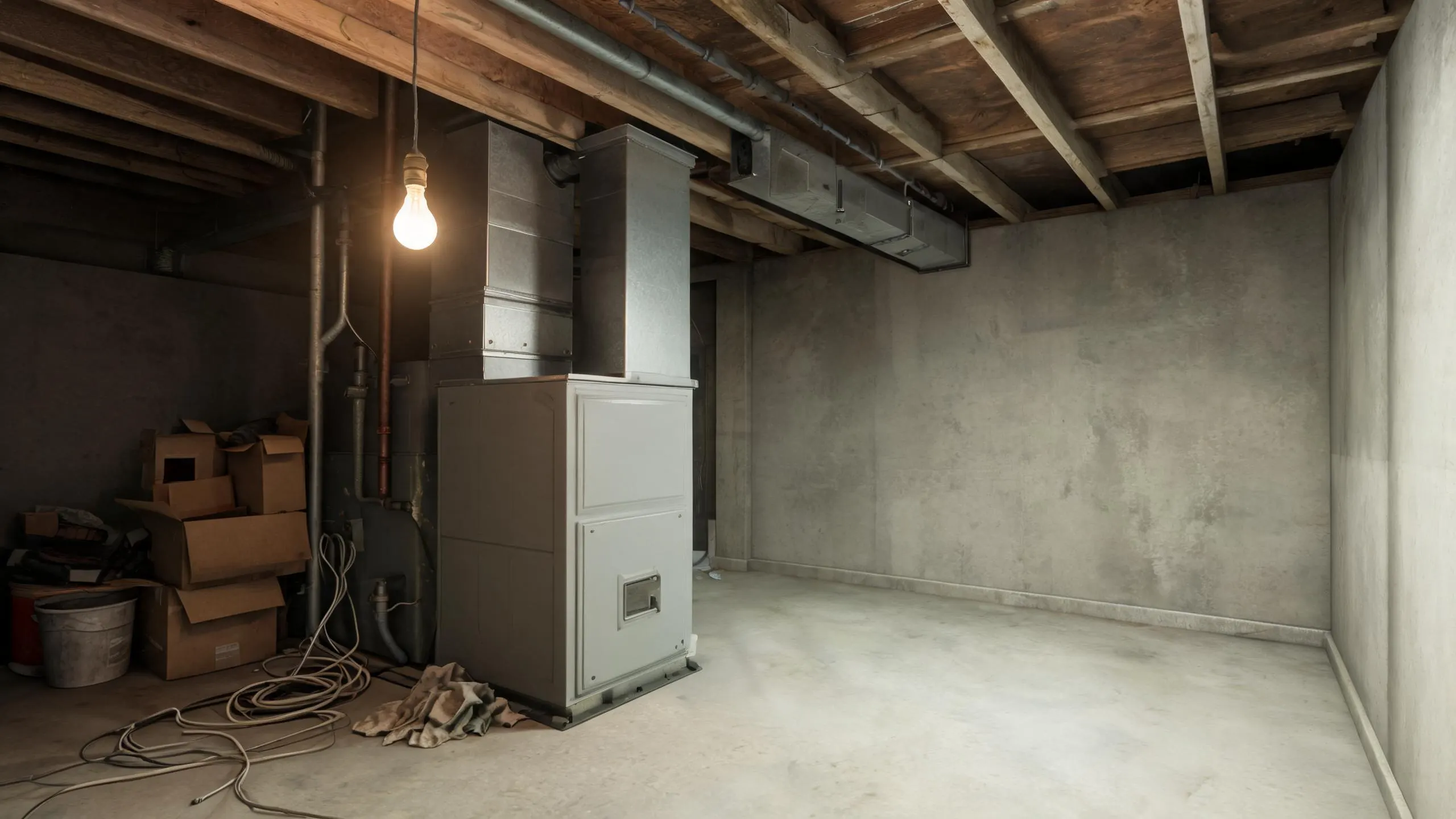
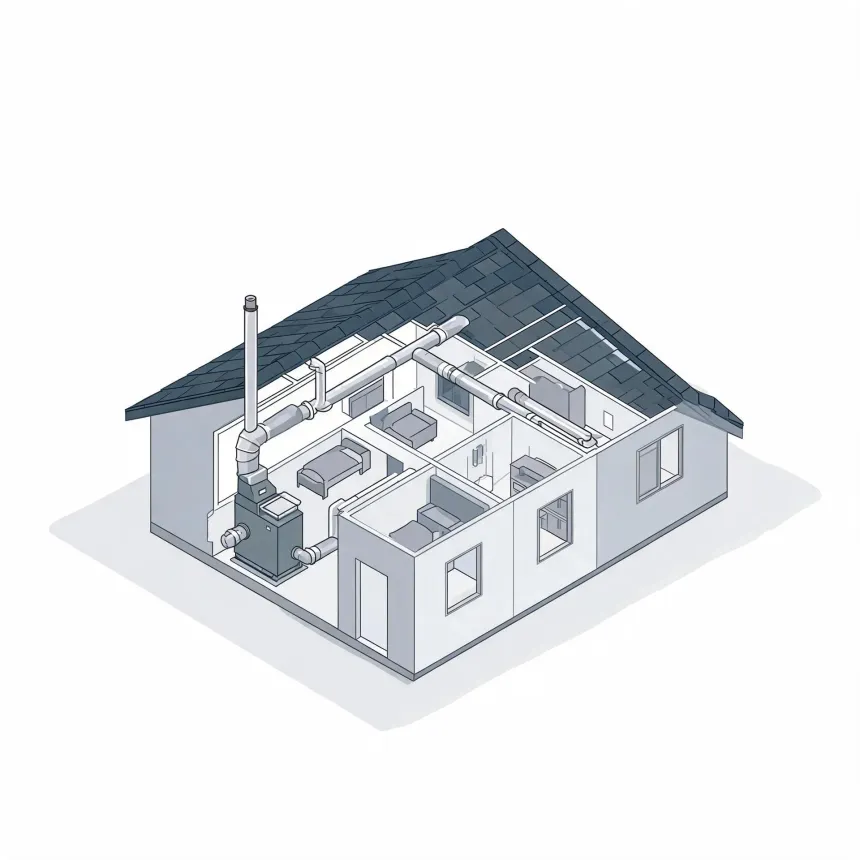
Your furnace works from October through May here, and your air conditioner takes over in July and August. That leaves only a couple months where the system gets a real break.
Winter nights average 21°F, cold enough that the burner cycles on and off for hours at a stretch. Each start puts a small strain on the igniter, and over enough winters that part is what tends to fail first, usually as a furnace that won't light at all. Summer afternoons reach 86°F, and a system that already ran hard all winter goes straight into cooling season with no rest between. Most homes here heat with electricity, so a winter storm that knocks out power takes the furnace down with it. Gooding County has logged 12 winter storms and 16 damaging wind events over the past ten years, and 11% of Idaho households went at least 24 hours without power in 2024.
- 8 months
- October through May, your system heats
- 2 months
- July through August, it cools
- 21°F
- the average winter night it heats against
- 86°F
- the average summer afternoon it cools against
NOAA nClimDiv, 1991–2020 normals
Idaho requires HVAC contractors to hold a state license.
Idaho licenses HVAC contractors through the state's HVAC Board. That license belongs to the contractor, not to the job, so the same license that lets a contractor take on new installations also covers a repair on your furnace, heat pump, or air conditioner in Gooding County.
For this repair, that license is what stands behind the person working on your system. It is issued by the state, not just filed with it, so the contractor's name is on record with the HVAC Board itself.
Sources: Idaho Legislature · Idaho Division of Occupational and Professional Licenses
- Why is my heat not working?
- Most often it is the thermostat, the igniter, or the power to the unit. If the thermostat screen is blank, check the breaker before anything else. If you smell gas at any point, leave the house and call the gas company, not a repair line. With winter nights here dropping to around 21°F, a furnace that will not fire is not something to leave for morning. A contractor can trace it to the actual part once they are on site.
- Why is my system running but not cooling the house?
- The fan is moving air but the air is not cold, which usually points to the refrigerant side or a coil that has iced over. A dirty filter can cause this too, by starving the coil of airflow until frost builds up on it. Check the filter first, since that is the one thing worth trying before calling anyone. If the filter is clean and the air still is not cold, the system needs a contractor to check refrigerant levels and the coil itself.
- What can I check before calling for HVAC repair?
- Start with the thermostat. Make sure it is set to heat or cool as needed and that the batteries are not dead. Next check the breaker panel for a tripped switch, and check the filter, since a clogged one can cause both heating and cooling problems. If those are all fine, the issue is inside the equipment and needs a licensed HVAC contractor to diagnose it. Idaho requires HVAC contractors to hold a state license through the HVAC Board, so ask for that license number before any work is done.