
HVAC Repair in Payette, ID
Homes here need heat from October through May and cooling from June through August. If your system quits, tell us what it's doing and a licensed contractor who covers Payette County will get in touch.
Tell us about the job
It takes about a minute.
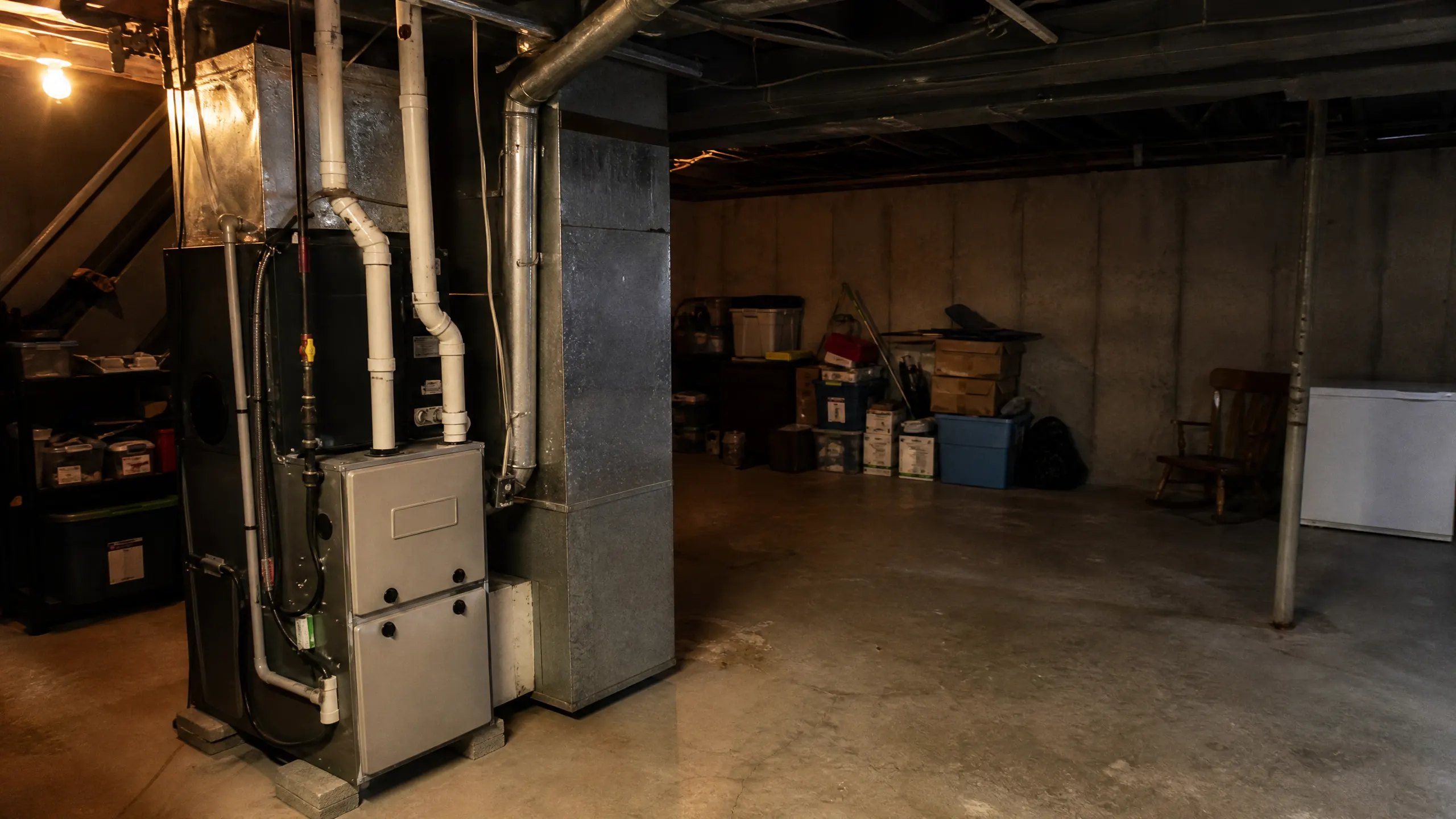
Eleven months of heat or cooling
Payette needs heat from October through May and cooling from June through August. Winter nights average 25°F, so the furnace cycles on and off most of the night to hold the house steady. Summer afternoons average 88°F, which keeps the air conditioner running long stretches to keep up.
44.3% of homes here heat with electricity, so when the power goes out, the heat goes with it. Idaho saw 11% of households lose power for a day or more in 2024, and this area has logged 37 winter storms and 8 damaging wind events over the past ten years. A furnace or heat pump that loses power and comes back on has to pick up right where a cold house left off, and any part that was already weak is more likely to fail on that restart.
- 8 months
- October through May, your system heats
- 3 months
- June through August, it cools
- 25°F
- the average winter night it heats against
- 88°F
- the average summer afternoon it cools against
NOAA nClimDiv, 1991–2020 normals
Idaho requires HVAC contractors to hold a state license.
The state's license is issued to the contractor, not to each job, so the same license that qualified them for past work covers this repair too. Idaho's HVAC Board tests and records the people who hold it, so the state has already checked this contractor's qualifications before they get to your house.
On a heating and cooling repair, that license is what stands behind the work. The Board's record is what confirms this person met Idaho's requirements to do this kind of work, and that standing is the protection the state gives you here.
Sources: Idaho Legislature · Idaho Division of Occupational and Professional Licenses
- Why is my heat not working?
- Start with the thermostat. Check that it is set to heat, the temperature is set above room temperature, and it has power if it uses batteries. If the thermostat looks right, check the breaker for the furnace and, on a gas furnace, make sure the gas valve is open. Winter nights here average 25°F, so a furnace that will not start needs attention the same day. If none of that brings it back, a licensed contractor can find out whether the igniter, the flame sensor, or something else is the cause.
- Why is my system running but not cooling the house?
- The most common reason is a dirty air filter blocking airflow, so check that first and replace it if it looks gray or clogged. If the filter is clean, look at the outdoor unit and clear away any leaves, grass, or debris around it. A system that runs but cannot keep up on an 88°F afternoon may be low on refrigerant, and that is not something to add yourself, since it takes a licensed contractor to find the leak and recharge it correctly.
- What can I check before calling for HVAC repair?
- Check the thermostat settings first, since a wrong mode or a dead battery causes a lot of no-heat and no-cool calls. Check the breaker panel for a tripped breaker on the furnace or air conditioner. Replace the air filter if you have not done it in a while, since a clogged filter can stop a system from heating or cooling well. If the outdoor unit is covered in debris or the vents in the house are blocked by furniture, clear those too. If the system still is not working after that, a contractor will need to look at it directly.