
Dryer Vent Cleaning in Mountain Home, ID
Tell us about your home, and a licensed contractor who covers Elmore County will get in touch.
Tell us about the job
It takes about a minute.

Cold vent walls catch the lint your dryer pushes out
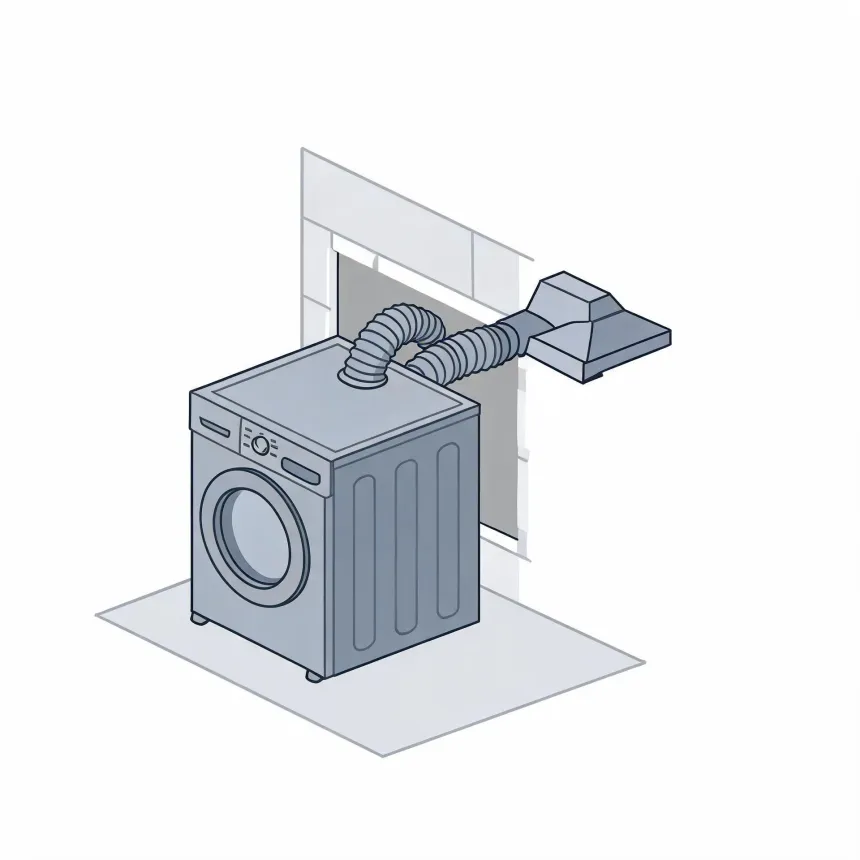
Your dryer pushes out warm, damp air. That air has to travel through a vent that runs through cold space, and on a Mountain Home winter night that can mean pushing it through metal sitting at 21°F or colder. The warm air cools fast against those walls, and the moisture in it beads up before it ever reaches outside. Lint sticks to a damp surface a lot easier than it sticks to a dry one, so it builds up along the walls instead of blowing clear.
Once that buildup narrows the vent, the dryer has to push harder to move the same air. A vent that stays wet and packed with lint through a ten month heating season is a vent that keeps narrowing.
- 21°F
- the average winter night, and cold vents catch damp lint
- 10 months
- September through June, the vent stays cold
NOAA nClimDiv, 1991–2020 normals
- How often should a dryer vent be cleaned?
- Once a year, at least. If you run loads almost every day, or the vent run is long with a few bends in it, check it sooner. Lint builds up along the inside of the duct even when the lint trap looks clean, and that buildup is what causes the problems.
- Can I clean my dryer vent myself?
- You can clean the first few feet, but you likely can't reach the whole run. A vacuum with a hose attachment will pull lint out near the dryer and near the outside vent hood, but the duct usually runs several feet through a wall or ceiling, and lint further in needs a brush or rod made for the job. If your vent has more than one bend, or you can't tell where it exits the house, a contractor with the right tools will do a more complete job.
- What are the signs of a clogged dryer vent?
- Clothes that take longer than they used to, or come out hot instead of dry, are the clearest sign. The outside of the dryer running hotter than normal, a burnt smell during the cycle, or little airflow at the outside vent hood when the dryer is on are all signs too. Lint collecting around the vent hood outside, or the flap not opening much when the dryer runs, points to a blockage further down the line.