
Dryer Vent Cleaning in Pocatello, ID
Tell us about your home, and a licensed contractor who covers Bannock County will get in touch.
Tell us about the job
It takes about a minute.

Cold turns lint into a wall inside your vent
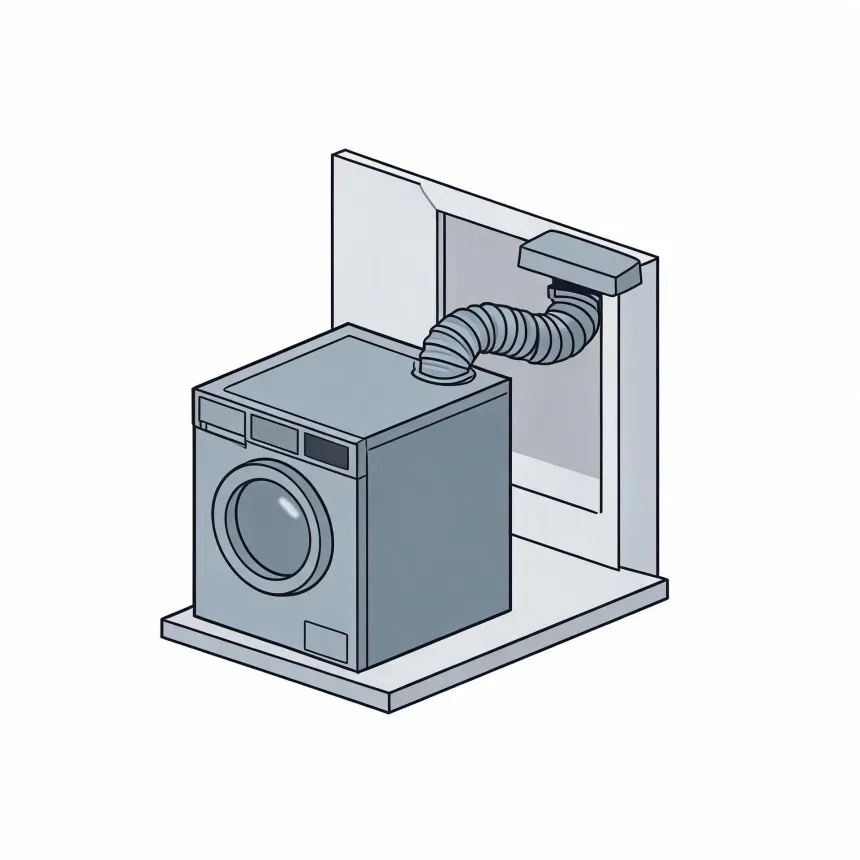
Your dryer pushes out warm, damp air, and in Pocatello that air is hitting vent walls that sit close to outside temperatures for most of the year. Winter nights here average 18°F from December through February, cold enough that the moisture in the exhaust condenses fast once it leaves the drum. Wet lint does not blow through and out the hood. It sticks.
Each load adds another layer to what is already stuck there, and a vent that is narrowing from the inside makes the dryer push harder to move the same air. That is more heat and moisture trapped in the line, which only feeds the buildup further down.
- 18°F
- the average winter night, and cold vents catch damp lint
- 10 months
- September through June, the vent stays cold
NOAA nClimDiv, 1991–2020 normals
- How often should a dryer vent be cleaned?
- Once a year is enough for most households. Lint builds up inside the vent line whether you notice it or not, and a clean line lets the dryer push air out fast and lets moisture escape instead of sitting in the duct. If you notice clothes drying slower than they used to, do not wait for the year mark, have it checked sooner.
- Can I clean my dryer vent myself?
- You can clean the lint trap and the first few feet of duct behind the dryer yourself. A vent brush kit reaches further, but most vent runs bend at least once on the way outside, and lint packed into a bend is hard to clear without the right length of rod and a way to check it actually came loose. If your dryer takes longer to dry clothes than it used to, or the vent hood outside barely moves air when the dryer runs, the blockage is likely further in than a homeowner kit can reach.
- What are the signs of a clogged dryer vent?
- Clothes that take longer to dry than they used to, a dryer that runs hot to the touch, a burning smell, and little or no airflow at the outside vent hood when the dryer is running. Lint showing up around the lint trap door or a musty smell in the laundry room are signs too. Any one of these means air is not moving through the vent the way it should, and the dryer is working harder than it needs to.