
Furnace Installation in Coeur d'Alene, ID
A new furnace here will run from September through June every year. Tell us about the house, and a licensed contractor who covers Kootenai County will get in touch.
Tell us about the job
It takes about a minute.
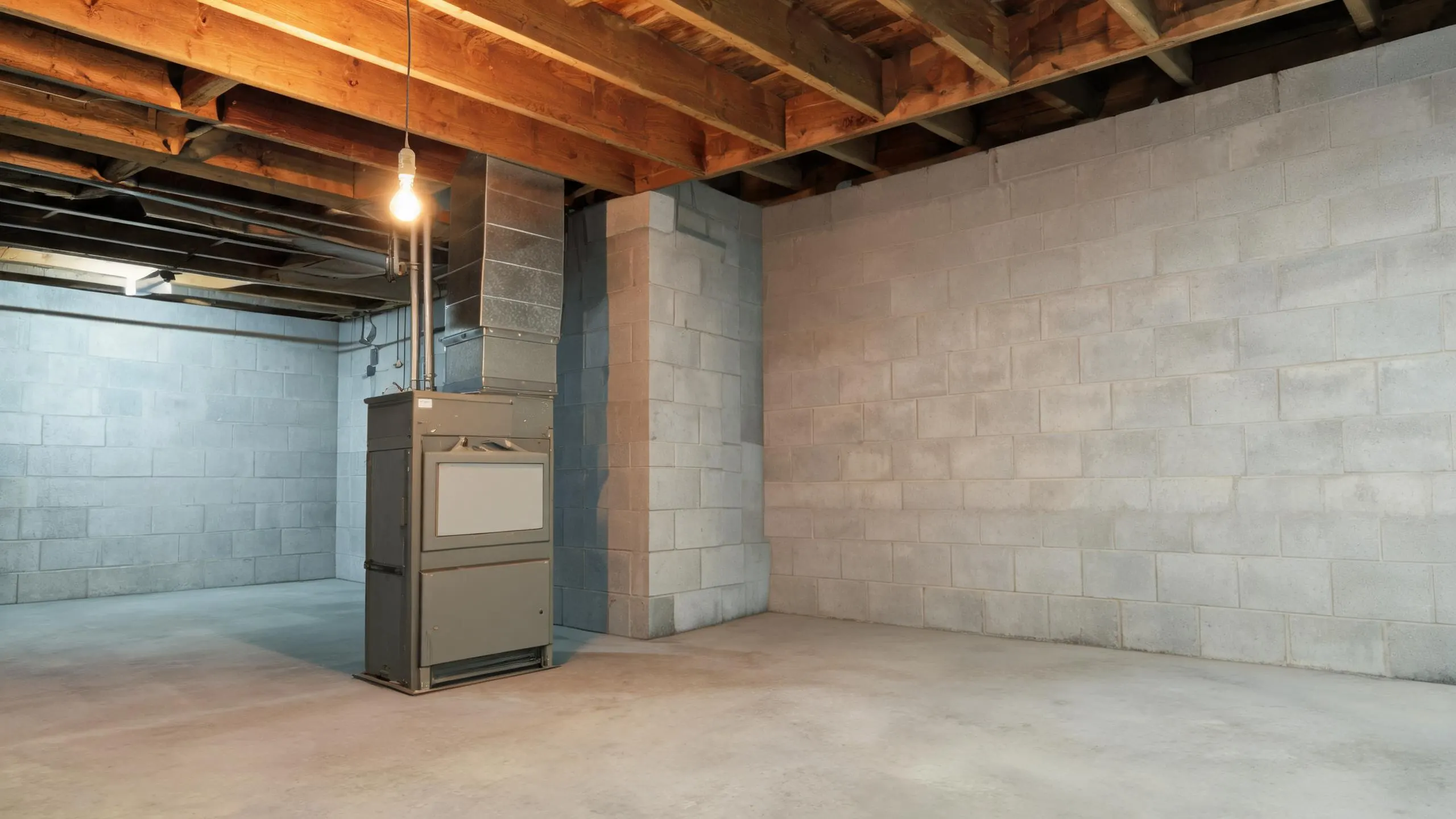
Ten months of heat a year is a lot to ask of a furnace
Coeur d'Alene homes run the furnace from September through June. That is only two months off. Winter nights average 25°F, and a furnace here has to hold up to a season that long, not just a few hard weeks.
Over half of homes here heat with gas, so most installs are swapping one gas furnace for another. Any non-weatherized gas furnace built since November 2015 has to reach at least 80 percent AFUE. That is the federal floor, not a local upgrade. Storms are part of the picture too. Kootenai County has logged 655 winter storms and 68 damaging wind events over the past ten years, and statewide, 11 percent of households went at least 24 hours without power in 2024.
- 10 months
- September through June, your furnace is on duty
- 25°F
- the average winter night it heats against
- 53%
- of homes here heat with gas, so most furnaces here burn gas
- 80% AFUE
- the federal minimum any new unit must meet
NOAA nClimDiv, 1991–2020 normals

A high-efficiency gas furnace would save about $70 a year to run in Kootenai County compared with a gas furnace.
Estimates for a typical Kootenai County home, from EIA household energy data, Idaho fuel prices and NOAA climate normals. Your home will differ.
Idaho requires HVAC contractors to hold a state license.
Idaho's HVAC Board licenses the contractor, not the job. That license stays with the business no matter whose furnace they are working on, and it is on file with the state.
For this installation, that license is what stands behind the contractor's work. Most cities and counties also require a permit from the local building office, with an inspection once the furnace is in, and that inspection is where the gas connection gets checked. More than half the homes in Kootenai County heat with gas, so that check matters.
Sources: Idaho Legislature · Idaho Division of Occupational and Professional Licenses
- What size furnace does my house need?
- The right size depends on your home's square footage, ceiling height, insulation, and window count, so there's no single number that fits every house. A furnace that's too big cycles on and off too often and never runs long enough to heat evenly. One that's too small runs constantly and still can't keep up on the coldest nights, and with winter lows here averaging 25°F, undersized is the mistake you'll notice fast. A contractor does a load calculation on your specific house to get this right, not a guess based on square footage alone.
- How do I know it's time to replace my furnace?
- Age is the first thing to check, along with how often you're calling for repairs. If breakdowns are turning into a pattern instead of a one-time fix, that's a sign the furnace is on its way out. Watch for uneven heat between rooms, a furnace that runs longer than it used to, or a rise in gas use without a reason. Homes here need heat from September through June, so a furnace that's failing gets tested most months of the year, not just a few weeks in deep winter. If a repair is going to cost a large share of what a new furnace would, replacing it is usually the better call.
- Is a high-efficiency furnace worth it?
- It depends on how much you run your furnace and what you're paying for gas now. Since homes here need heat 10 months a year, a furnace works harder and longer than it would somewhere with a short winter, and that changes the math on efficiency. Furnaces built since November 2015 have to hit at least 80 percent AFUE, so even a standard new furnace is more efficient than an older one. A high-efficiency model above that costs more upfront, and a contractor can walk you through what that difference looks like for your specific furnace and usage.