
HVAC Installation in Rupert, ID
A new system here will heat from September through May and cool from July through August every year. Tell us about the house, and a licensed contractor who covers Minidoka County will get in touch.
Tell us about the job
It takes about a minute.
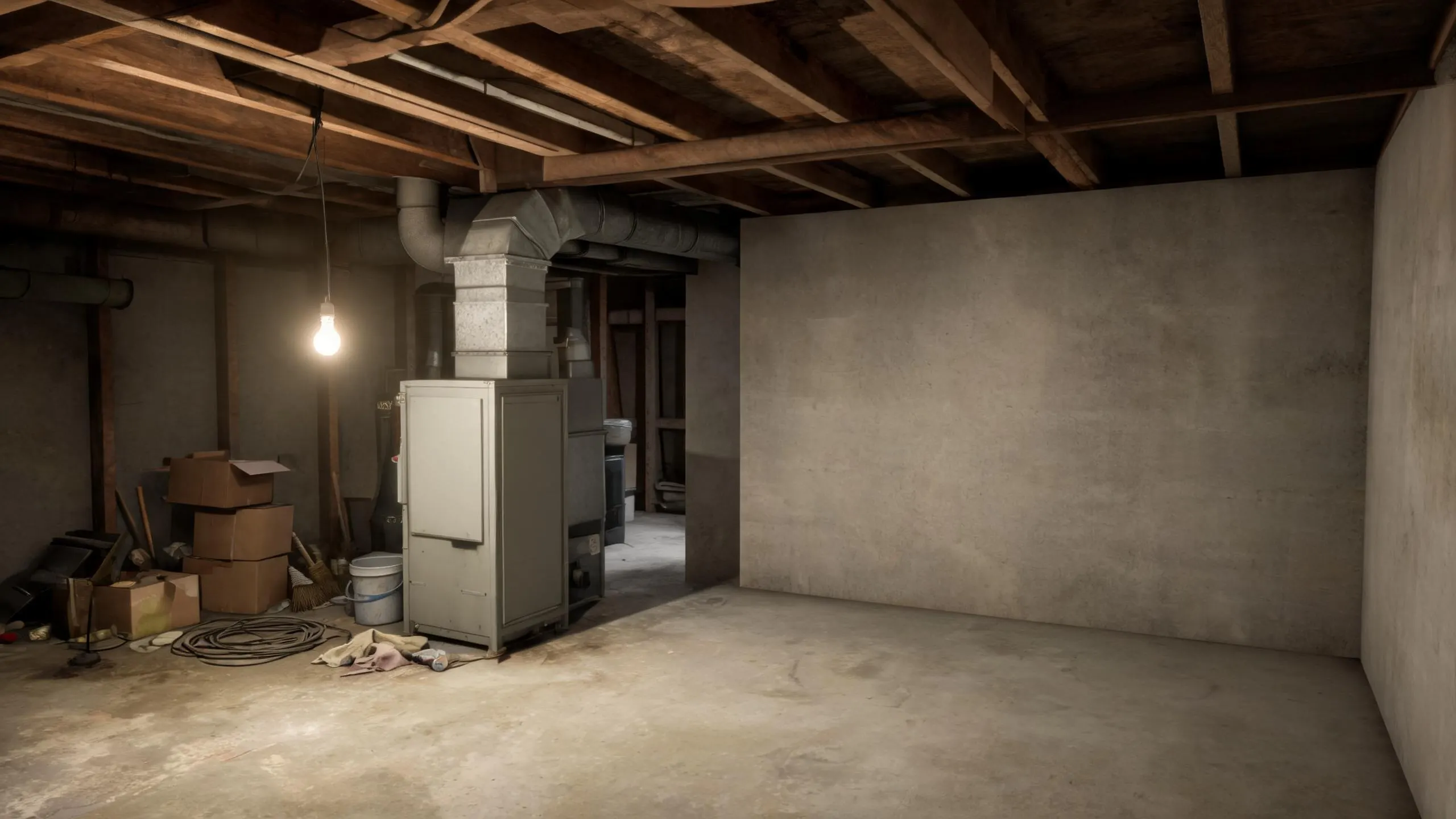
What a system in Rupert has to handle
Winter nights here average 18°F from December through February, and homes need heat from September through May, nine months of the year. A new furnace or heat pump has to hold that line night after night through most of the year, not just during a cold spell. Summer is shorter but still real, with afternoons averaging 84°F in July and August, so the same system needs to cool well for those two months even though it works far less than it heats.
Most homes here heat with electricity, and the record shows why that matters. Minidoka County has seen 28 winter storms and 42 damaging wind events over the past ten years, and across Idaho, 11 percent of households lost power for at least 24 hours in 2024. Whatever gets installed should be sized and set up for a place where the power can go out on the coldest nights of the year.
- 9 months
- September through May, your system heats
- 2 months
- July through August, it cools
- 18°F
- the average winter night it heats against
- 84°F
- the average summer afternoon it cools against
NOAA nClimDiv, 1991–2020 normals
Idaho requires HVAC contractors to hold a state license.
The HVAC Board issues that license to the contractor, not to this one job. It covers the person or company doing the work, so the same license applies here and on whatever other jobs they take on.
For this job, the license is what stands behind the contractor doing the work. The permit is what stands behind the installation itself. In most cities and counties here, putting in a new furnace, air conditioner or heat pump needs a permit from the local building office, and the finished system gets an inspection before it is signed off.
Sources: Idaho Legislature · Idaho Division of Occupational and Professional Licenses
- When should I replace my HVAC system?
- Replace it when repairs get frequent, the unit is old, or it can't keep up on the coldest nights and hottest afternoons anymore. Nine months out of the year, homes here need heat, and winter lows average 18°F, so a furnace that's struggling shows itself fast. If a technician has been out more than once or twice in a season, or the system can't hold the house at temperature when it's coldest, that's a sign to plan a replacement rather than another repair.
- Should I replace my furnace and air conditioner at the same time?
- If both are old, it often makes sense to replace them together, since a matched system is easier to install correctly and service later. Homes here need heat from September through May and cooling in July and August, so both units get real use every year. That said, if one is much newer than the other, a contractor can size a replacement for just the failing unit and keep the working one in place.
- What happens during an HVAC installation?
- A contractor removes the old furnace, air conditioner or heat pump, sets the new equipment in place, and connects it to the ducts, wiring, and refrigerant lines or gas line the system needs. They check that the new unit is sized correctly for the house, test it for proper airflow and operation, and make sure the thermostat controls it as it should. In most cities and counties here, this work needs a permit from the local building office and an inspection once it's finished, which confirms the installation was done to code.