
HVAC Installation in Burley, ID
A new system here will heat from September through June and cool from July through August every year. Tell us about the house, and a licensed contractor who covers Cassia County will get in touch.
Tell us about the job
It takes about a minute.
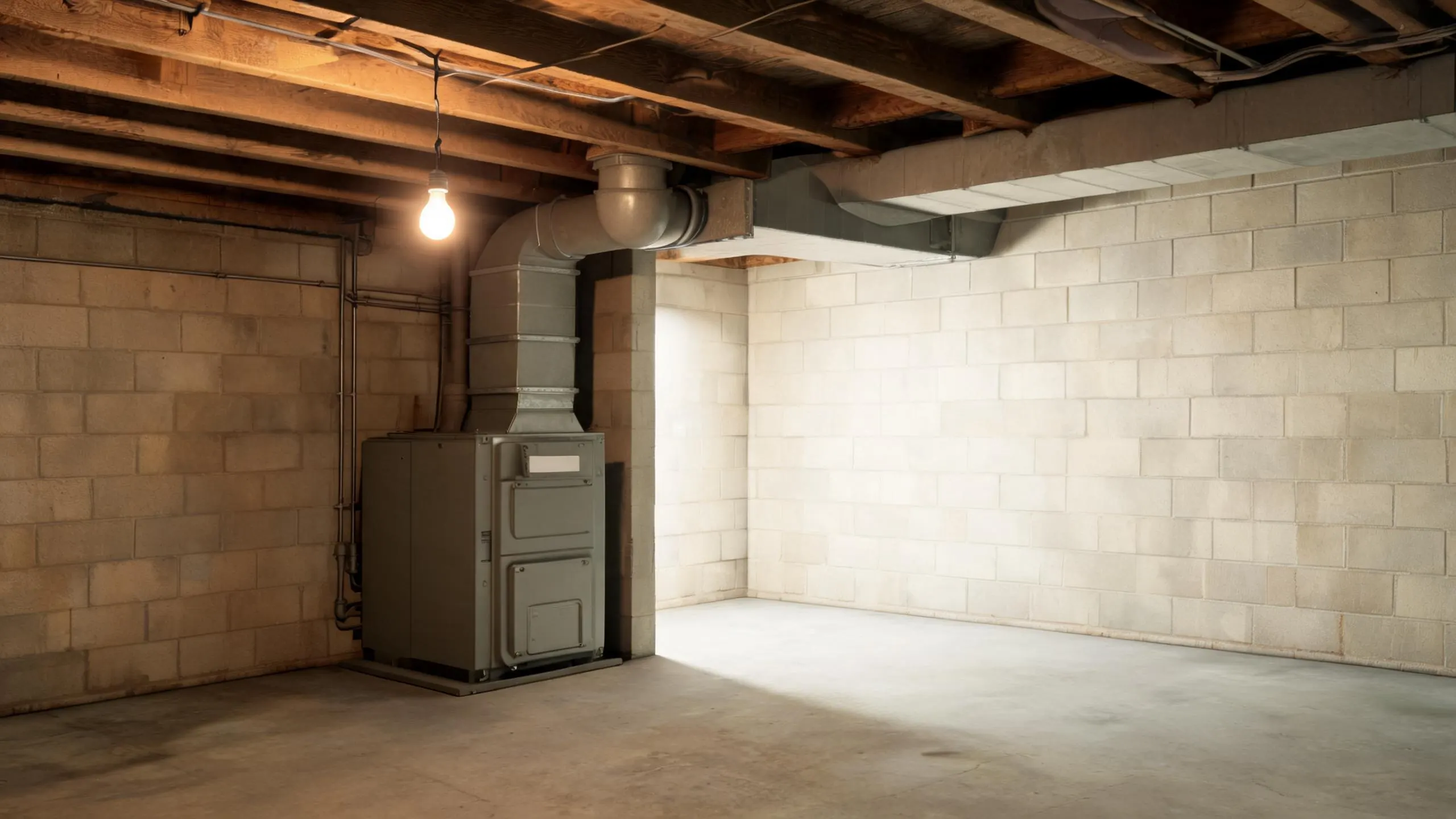
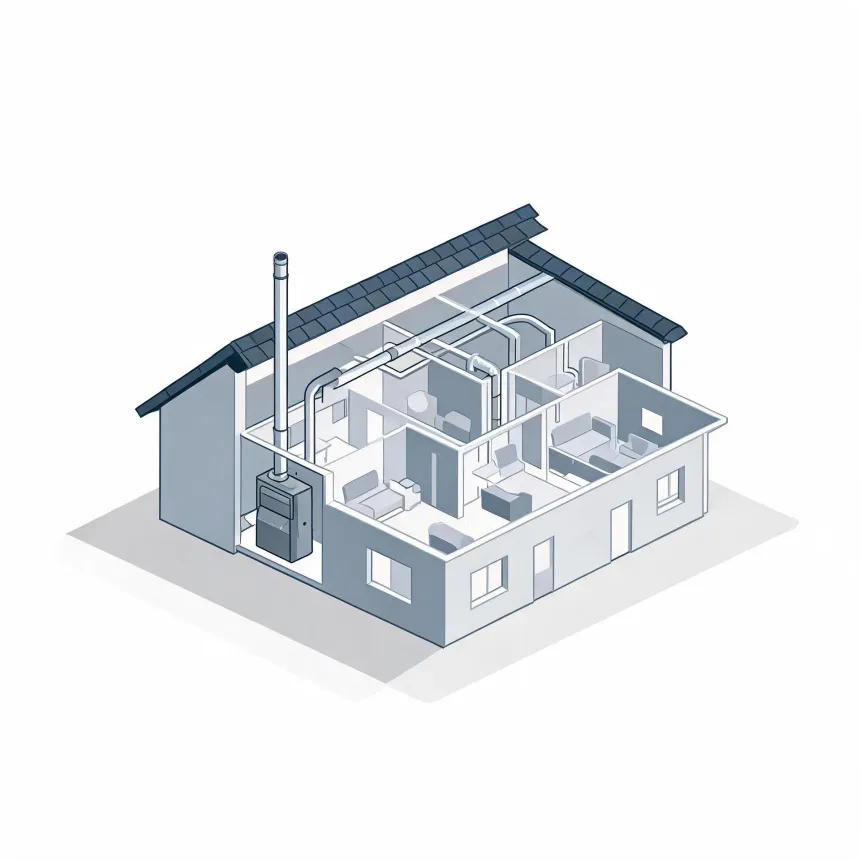
A system built for ten months of heat and two of cooling
Winter nights around Burley average 20°F from December through February. Whatever you install has to hold a house warm against that, night after night, from September through June. Cooling only carries the load in July and August, when afternoons average 81°F.
Most homes in the area heat with electricity, and the power does not always stay on. Idaho saw winter storms and damaging wind events recorded over the past ten years, and across the state, 11% of households went at least 24 hours without power in 2024. A new heating and cooling system should be sized and installed with that stretch of cold, and that chance of an outage, in mind.
- 10 months
- September through June, your system heats
- 2 months
- July through August, it cools
- 20°F
- the average winter night it heats against
- 81°F
- the average summer afternoon it cools against
NOAA nClimDiv, 1991–2020 normals
Idaho requires HVAC contractors to hold a state license.
Idaho licenses HVAC contractors through the state HVAC Board. That license belongs to the contractor, not to the job, so it says this person or company met the state's standard for the trade before ever showing up at a house.
For this installation, the license covers who is allowed to do the work. In most cities and counties, putting in a new furnace, air conditioner or heat pump also needs a permit from the local building office, with an inspection once the job is done. That permit and inspection are separate from the license, and they are what checks the finished installation itself.
Sources: Idaho Legislature · Idaho Division of Occupational and Professional Licenses
- When should I replace my HVAC system?
- Replace it when repairs start coming more often, the system is old, or it can no longer keep the house comfortable. A furnace or air conditioner nearing the end of its life works harder to do the same job, and that shows up as higher bills and more breakdowns. Heat is needed here from September through June, so a failing furnace is not something to leave until it quits outright. If a contractor has already told you a repair costs a large share of what a new system would, that is usually the point to stop patching it.
- Should I replace my furnace and air conditioner at the same time?
- If both are old, replacing them together is often the better move, but it depends on the condition of each one. A furnace and air conditioner installed at different times may not be far apart in age here, since homes need heat for 10 months and cooling for only 2. Pairing a new outdoor unit with an old furnace, or the other way around, can mean mismatched parts that do not work together as well as a matched set. A contractor can look at the age and condition of both and tell you whether one still has years left in it.
- What happens during an HVAC installation?
- A contractor removes the old equipment, sets the new furnace and air conditioner or heat pump in place, and connects it to the ductwork, gas line or wiring, and condensate drain. Once it is running, they check refrigerant charge, airflow, and that the thermostat is talking to the system correctly. In most cities and counties here, this work needs a permit from the local building office and an inspection once it is done. That inspection is there to confirm the installation was done to code, so do not skip it even if the contractor does not bring it up.