
HVAC Installation in Twin Falls, ID
A new system here will heat from September through May and cool from July through August every year. Tell us about the house, and a licensed contractor who covers Twin Falls County will get in touch.
Tell us about the job
It takes about a minute.
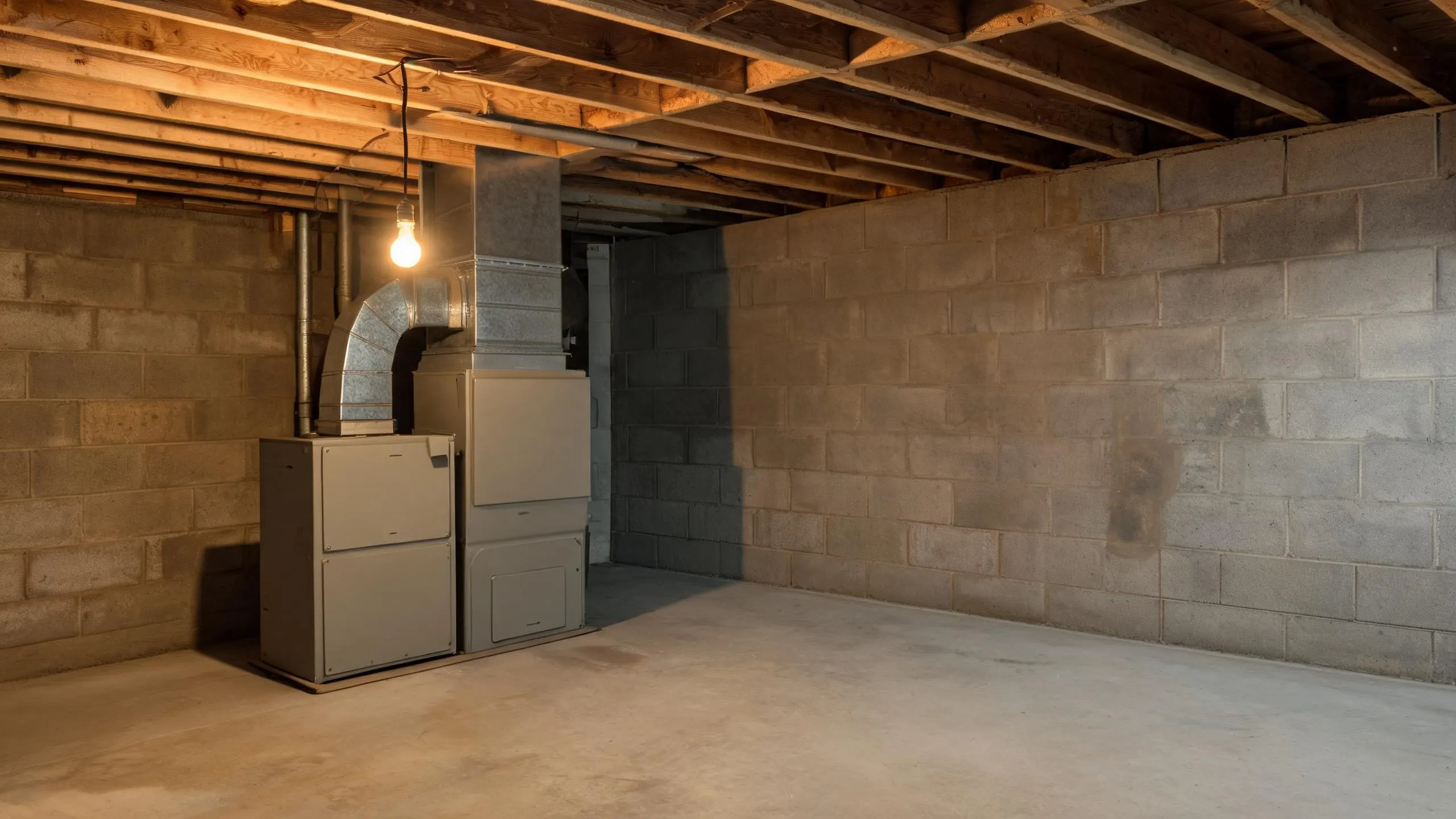
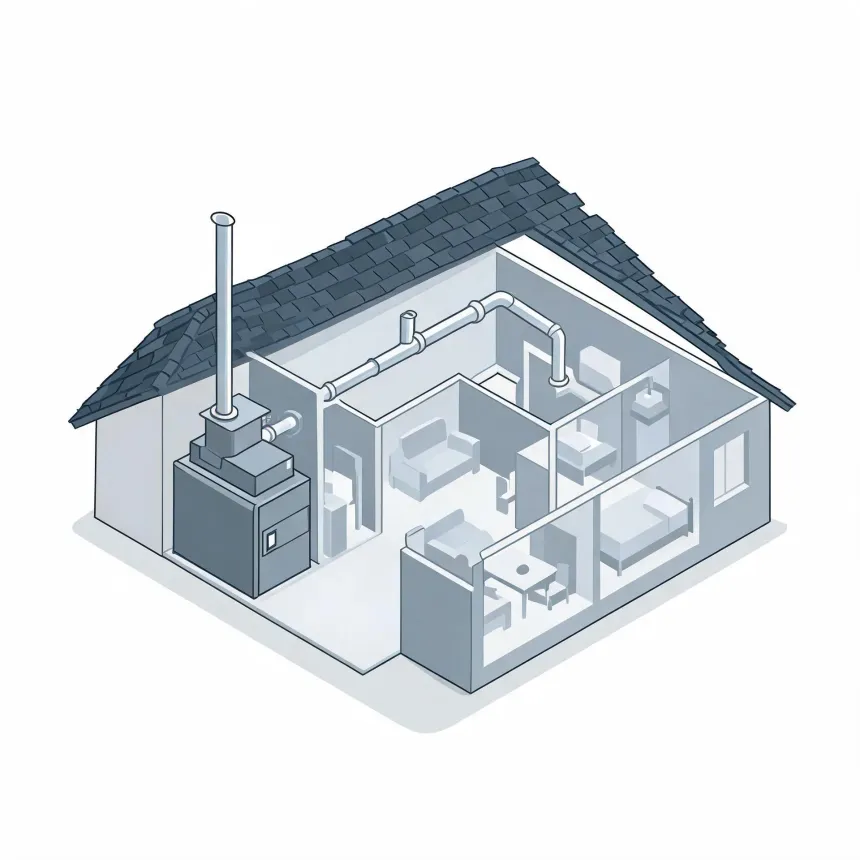
A new system here needs to handle nine months of heat and two of real summer sun
Winter nights in Twin Falls County average 21°F from December through February, and homes here need heat from September through May. That is nine months of the year the furnace has to be sized right and ready to run. Summer only asks for cooling in July and August, but afternoons average 83°F, so the air conditioner still has real work to do those two months.
Most homes here heat with gas, and whatever you install has to meet the current federal efficiency minimum. The county has also seen 19 winter storms and 28 damaging wind events over the past ten years, and statewide, about 1 in 10 households lost power for a day or more in 2024. A new furnace or air conditioner should be installed with that in mind.
- 9 months
- September through May, your system heats
- 2 months
- July through August, it cools
- 21°F
- the average winter night it heats against
- 83°F
- the average summer afternoon it cools against
NOAA nClimDiv, 1991–2020 normals
Idaho requires HVAC contractors to hold a state license.
Idaho licenses HVAC contractors through the state's HVAC Board, and the license belongs to the contractor, not to any single job. That means the testing and the record happen once, before this installation was ever scheduled, and follow that contractor from house to house rather than being issued fresh for each project.
For this installation, the license is what stands behind the person doing the work. The equipment itself still answers to your local building office. In most cities and counties, putting in a new furnace, air conditioner or heat pump needs a permit, and the finished work gets inspected before it is signed off.
Sources: Idaho Legislature · Idaho Division of Occupational and Professional Licenses
- When should I replace my HVAC system?
- Replace it when repairs get frequent, the unit is old, or it can't keep up on the coldest or hottest days. A furnace or air conditioner nearing the end of its expected life is working harder than it should, and parts get harder to find as a unit ages. If a contractor has been out more than once this year for the same problem, that's usually a sign it's cheaper to replace than keep patching. Nights here drop to 21°F in the winter, so a furnace that struggles in December is a bigger problem here than it would be somewhere milder.
- Should I replace my furnace and air conditioner at the same time?
- If both are old, replacing them together is often the better plan, but it isn't required. A furnace and air conditioner installed at different times can still work fine together as long as a contractor matches them correctly. The main reason to do both at once is that opening up the system for one job makes it easier to handle the other, and it means you're not paying for labor on the same lines twice. Since homes here need heat from September through May and cooling only in July and August, the furnace is doing most of the work and is usually the one to watch closest.
- What happens during an HVAC installation?
- A contractor removes the old equipment, sets the new furnace or air conditioner, and connects it to the ducts, gas or electric lines, and condensate drain. Once it's running, they test it, check refrigerant levels or gas pressure, and confirm the thermostat is talking to the system correctly. In most cities and counties here, this work needs a permit from the local building office, and an inspector checks it once it's done. A licensed contractor pulls that permit as part of the job, so ask about it before work starts if it isn't mentioned.