
HVAC Repair in Boise City, ID
Homes here need heat from October through May and cooling from June through August. If your system quits, tell us what it's doing and a licensed contractor who covers Ada County will get in touch.
Tell us about the job
It takes about a minute.
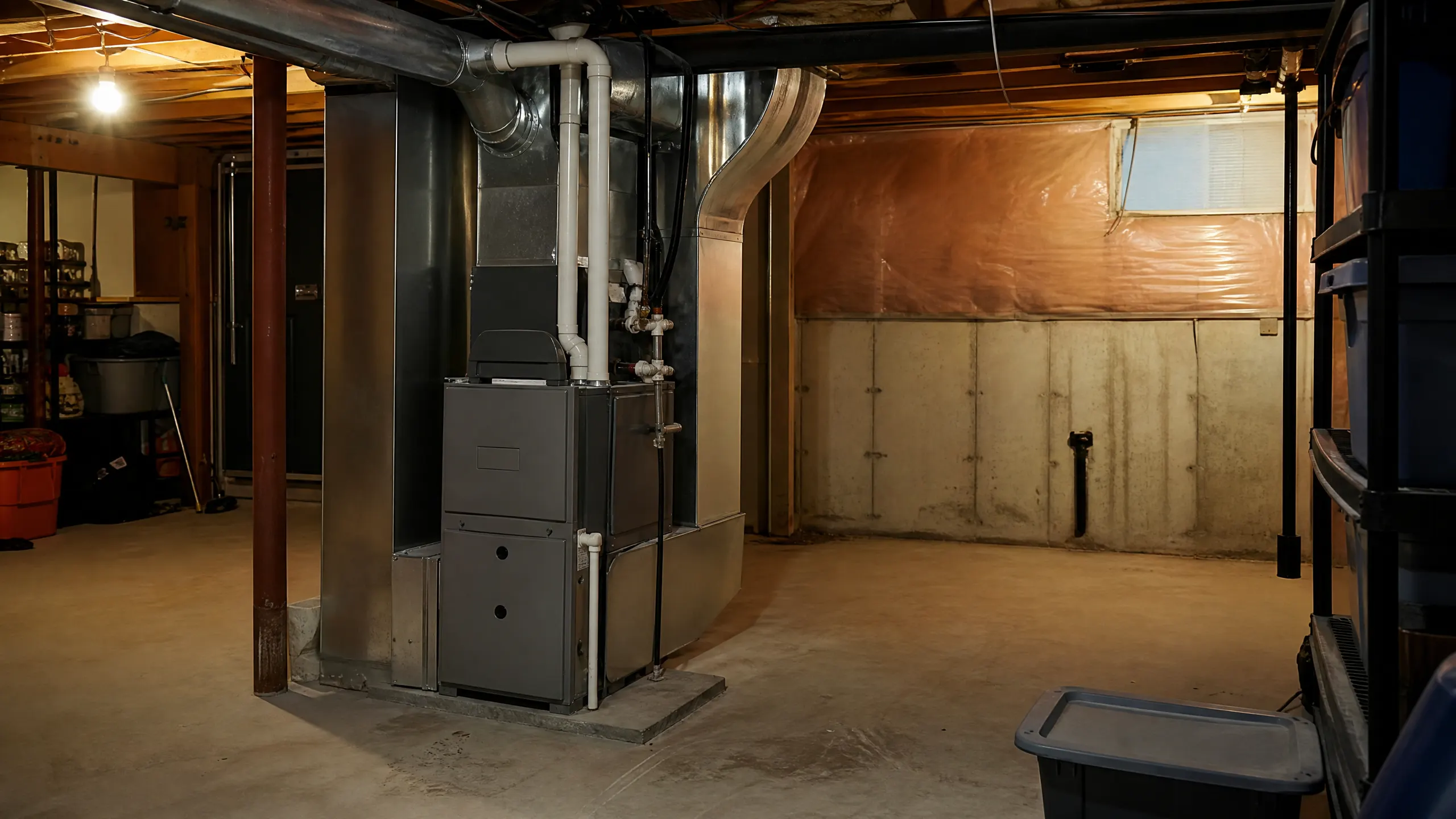
Eight months of heat, three of cooling, almost no rest
Your furnace carries most of the year in Ada County, from October through May. On nights that average 25°F, it runs long stretches to hold the house at temperature, and the burner cycles on and off many times a day. That kind of use wears on the igniter and the flame sensor first. When one of them fails, the furnace won't light at all.
Then summer flips the load onto the air conditioner, with afternoons averaging 88°F for three months straight. Ada County has also logged 41 damaging wind events and 27 winter storms over the past ten years, and either one can cut power to the system. Most furnaces and air conditioners restart on their own once power comes back. If yours doesn't, the problem likely didn't start with the outage.
- 8 months
- October through May, your system heats
- 3 months
- June through August, it cools
- 25°F
- the average winter night it heats against
- 88°F
- the average summer afternoon it cools against
NOAA nClimDiv, 1991–2020 normals

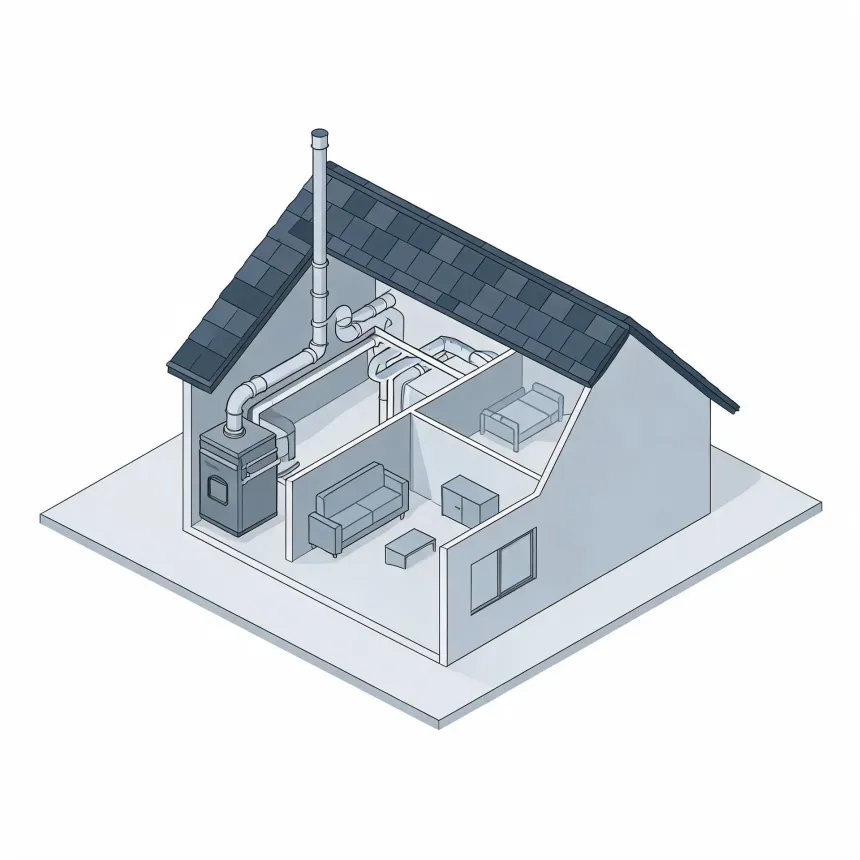
A new furnace and air conditioner would cut about $90 a year off heating and cooling for a typical Ada County home.
Estimates for a typical Ada County home, compared with an older unit built to the previous federal minimum, from EIA household energy data, Idaho fuel prices and NOAA climate normals. Your home will differ.
Repair makes sense when one part has failed.
Replacement makes sense when the furnace's heat exchanger is cracked, the air conditioner's compressor has failed, or repairs keep coming.
Idaho requires HVAC contractors to hold a state license.
Idaho licenses HVAC contractors through the state's HVAC Board. The license covers the contractor, not each job, which means the board tested this person or company and keeps a record of who they are before they are allowed to call themselves licensed.
For a repair to a heating and cooling system, that license is what stands behind the work. It is not tied to this particular job, but it is the state's word that the contractor met its standard before taking on work like this one.
Sources: Idaho Legislature · Idaho Division of Occupational and Professional Licenses
- Why is my heat not working?
- Most furnaces here run on gas, and the two most common stops are the igniter and the flame sensor. If the igniter is cracked or the flame sensor is coated with residue, the furnace will try to start and then shut itself off before it lights. A dead thermostat battery or a tripped breaker can cause the same thing, so those are worth checking first. With winter lows averaging 25°F here, it is worth getting this looked at quickly once the house starts losing ground.
- Why is my system running but not cooling the house?
- If the air conditioner is running but the air coming out is not cold, check the filter first. A clogged filter starves the coil of airflow, and the coil can ice over, which stops it from pulling heat out of the air at all. A dirty outdoor unit can cause the same problem, since it needs open airflow around it to release the heat it is collecting. If the filter is clean and the outdoor unit is clear but the house still is not cooling, that points to something inside the system, and a contractor will need to check refrigerant charge and pressures to find it.
- What can I check before calling for HVAC repair?
- Start with the thermostat. Make sure it is set to heat or cool as needed and check the batteries if it has a screen that looks dim or blank. Next, check the filter. A filter that is gray and packed with dust restricts airflow enough to cause real problems on both the furnace and the air conditioner. Then check the breaker box for anything tripped, since that alone can explain a system that will not turn on at all. If those all check out and the system still is not working right, that is the point to call a licensed contractor. Idaho requires HVAC contractors to hold a state license through the state's HVAC Board, so ask for that license number when you call.