
HVAC Repair in Grangeville, ID
If your system quits, tell us what it's doing and a licensed contractor who covers Idaho County will get in touch.
Tell us about the job
It takes about a minute.
Ten months of heat, and winter nights near zero
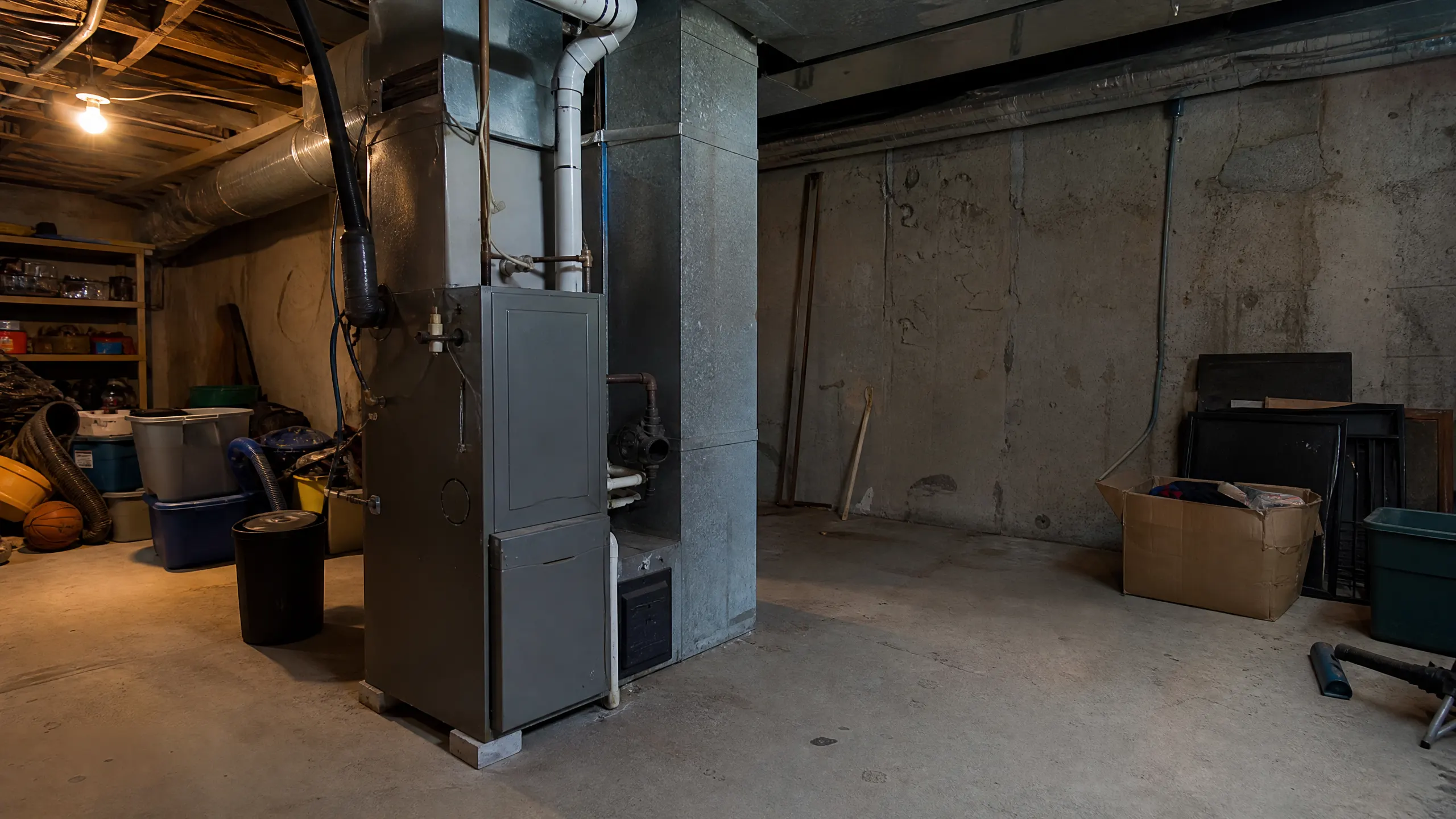
Grangeville needs heat from September through June. That is ten months of the furnace cycling on, most of it against nights that average 18°F. A furnace working that hard, that long, puts real hours on the igniter and the blower motor. When one of those parts wears out, it usually happens in the middle of that long stretch, not at the edges of it.
Summer afternoons here average 75°F, mild enough that cooling barely factors in. Winter is where the strain shows. Idaho County has logged 66 winter storms and 23 damaging wind events over the past ten years, and statewide, 11% of households went at least 24 hours without power in 2024. With 42% of homes here heating with electricity, a power outage on a night like that means the furnace stops along with the lights.
- 10 months
- September through June, your system heats
- 18°F
- the average winter night it heats against
- 75°F
- the average summer afternoon it cools against
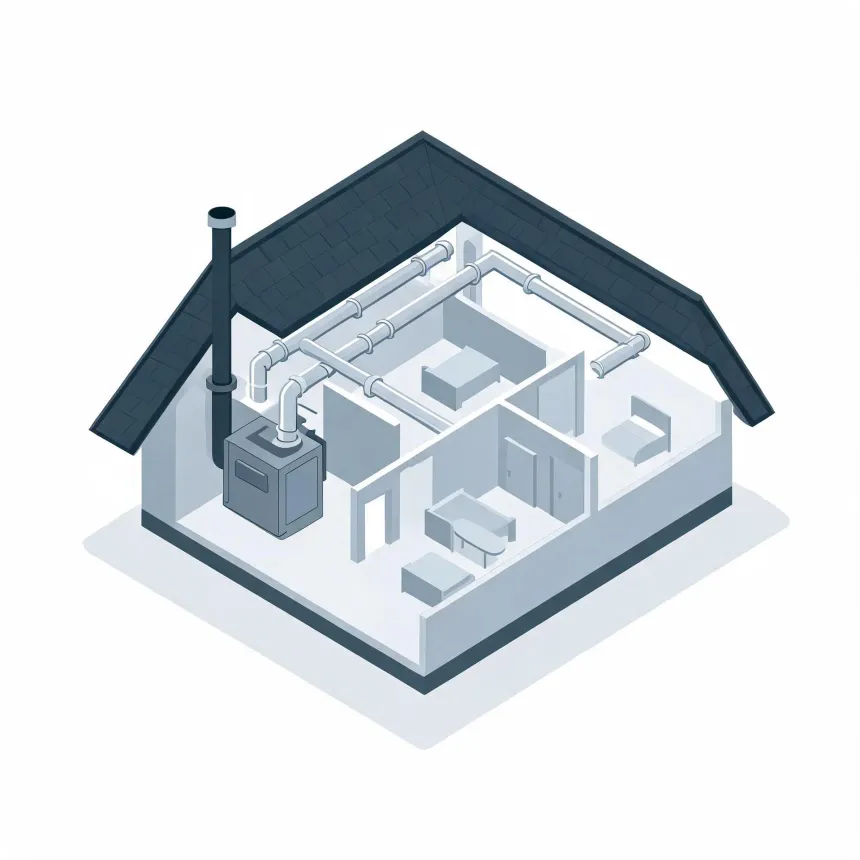
Idaho requires HVAC contractors to hold a state license.
The license comes from Idaho's own HVAC Board. It is tested and tracked at the state level, not left to Idaho County or any city inside it. It covers the contractor, not the individual job, so the same license that qualifies someone to install a furnace also qualifies them to repair one.
For a repair like this, that license is what stands behind the person working on your system. Idaho tested and recorded this contractor before they were allowed to take on jobs like yours.
Sources: Idaho Legislature · Idaho Division of Occupational and Professional Licenses
- Why is my heat not working?
- Most often it comes down to power, gas, or airflow. Check that the thermostat is set to heat and the batteries are good, then check the breaker for the furnace and the switch that looks like a light switch near the unit. If you have a gas furnace, the pilot or igniter can fail, and a dirty filter can also cause the system to shut itself off before it overheats. With winter nights here dropping to 18°F, a furnace that will not stay running needs attention fast, since a house can lose heat quickly in that kind of cold.
- Why is my system running but not cooling the house?
- If air is moving but it is not cold, the problem is usually low refrigerant, a frozen coil, or a failing compressor. Check the filter first, since a clogged one starves the coil of airflow and can cause it to ice over. If the coil is frozen, turn the system off and let it thaw fully before running it again, or you risk damaging the compressor. Summer afternoons here only average 75°F, so a slow cooling system may still be worth having checked before it fails on a hotter day.
- What can I check before calling for HVAC repair?
- Start with the thermostat. Confirm it is set correctly, has working batteries, and is set to heat or cool as needed. Next check the breaker and any power switch near the indoor and outdoor units, since a tripped breaker or flipped switch is a common cause of a system that will not start at all. Then pull the filter and hold it up to the light. A filter clogged with dust blocks airflow and can shut a furnace or air conditioner down as a safety measure. If those all check out and the system still is not working, a licensed contractor can diagnose what is actually wrong.