
HVAC Installation in Grangeville, ID
Tell us about the house, and a licensed contractor who covers Idaho County will get in touch.
Tell us about the job
It takes about a minute.
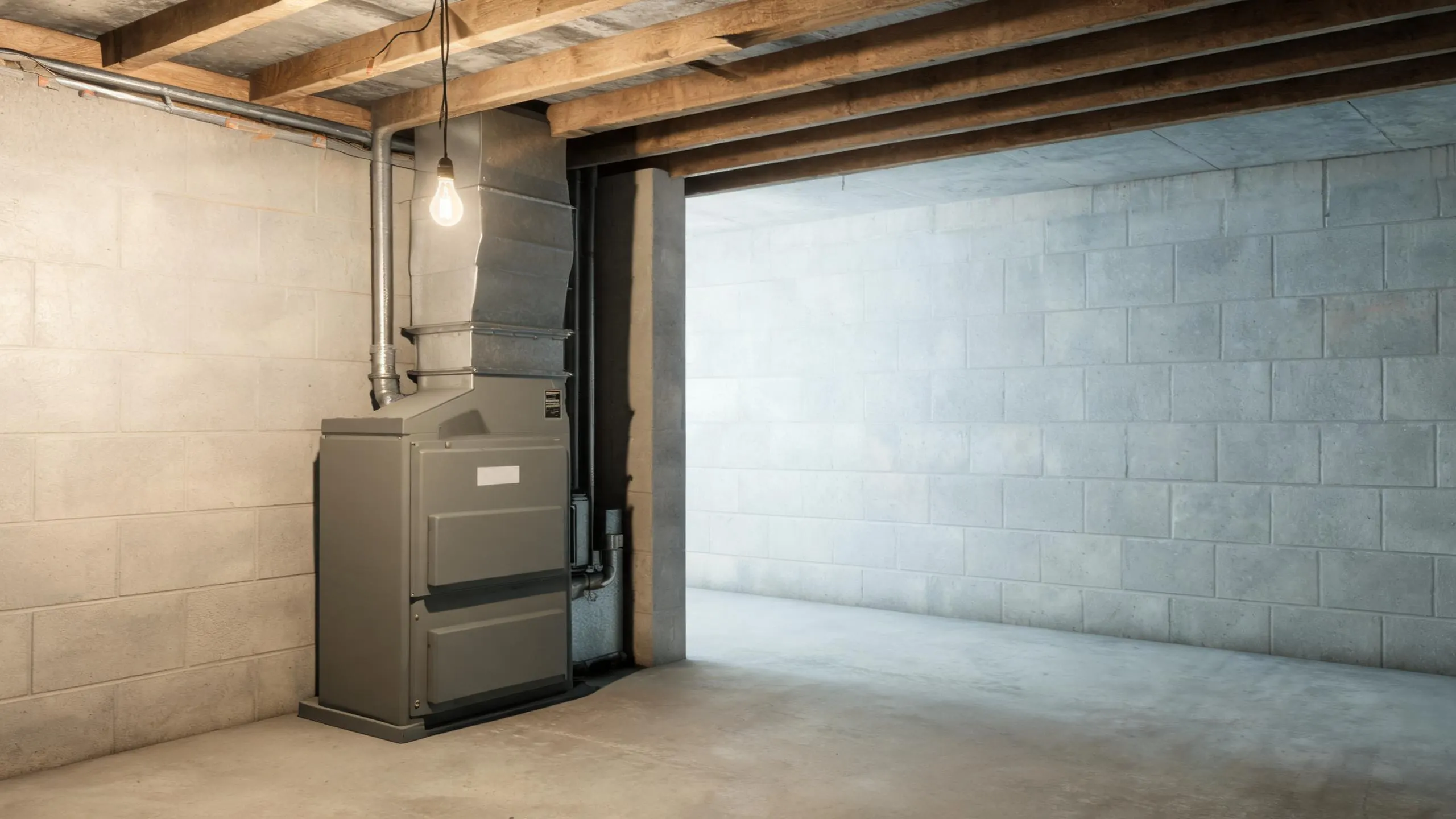
Grangeville asks a lot from a heating system, most of the year
Winter nights here average 18°F from December through February, and homes need heat from September through June. That is ten months of the year with the furnace working, not just the deep winter months. A system sized for a mild climate somewhere else will run hard here and show wear early.
Summers stay mild, averaging 75°F in the afternoon, so cooling asks little of the system by comparison. The real work is keeping up with ten months of cold. Idaho County has seen 66 winter storms and 23 damaging wind events over the past ten years, and statewide, 11% of households lost power for at least 24 hours in 2024. With 42% of homes here heating with electricity, a power outage during a cold spell is not a small thing. Anyone installing a new system here should plan around the cold first.
- 10 months
- September through June, your system heats
- 18°F
- the average winter night it heats against
- 75°F
- the average summer afternoon it cools against
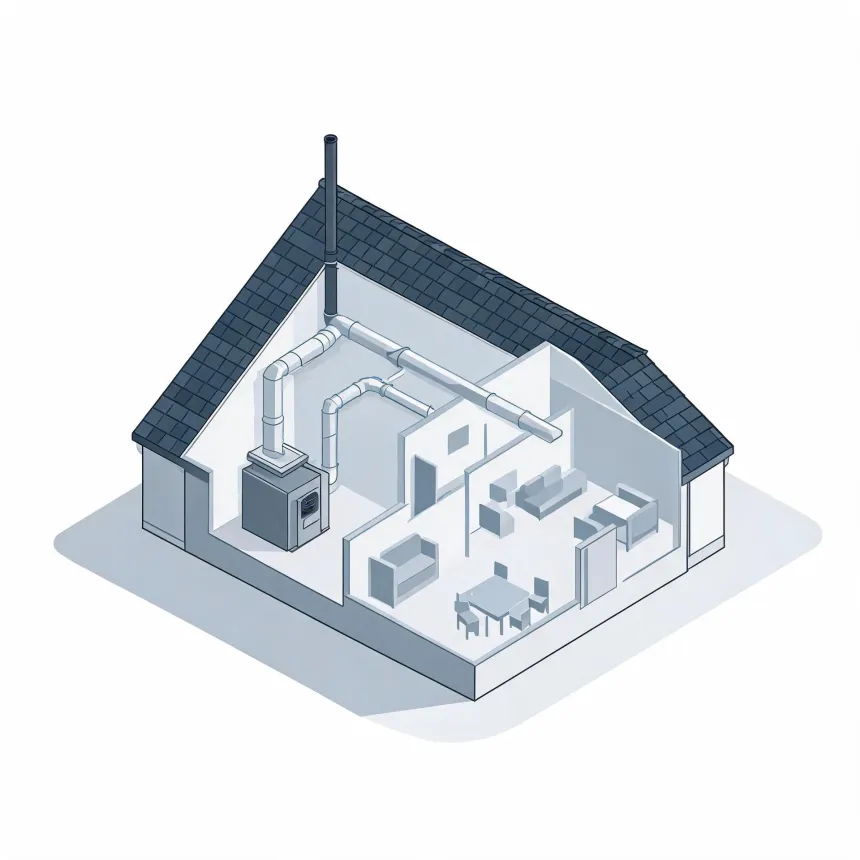
Idaho requires HVAC contractors to hold a state license.
The license is issued to the contractor, not to the job, so the same license covers this installation and every other one that contractor takes on. It means the state has tested and recorded who this person is before they ever step into your home.
For a heating and cooling system install, the license is what stands behind the contractor's name, but it is not the only check on this job. Most cities and counties in Idaho require a permit for this kind of installation, and an inspection once the work is done. That inspection is where the local building office looks at the work itself, separate from anything the state license covers.
Sources: Idaho Legislature · Idaho Division of Occupational and Professional Licenses
- When should I replace my HVAC system?
- Once repairs start happening every year, or the system can't keep the house warm through a Grangeville winter, it's time to replace it. Age matters too. A furnace working hard for ten months of heating a year wears out faster than one running only a few weeks. If a contractor is telling you the same part is failing again, or your heating bills keep climbing while comfort keeps dropping, that's your answer.
- Should I replace my furnace and air conditioner at the same time?
- Grangeville homes need heat ten months of the year and no cooling, so this question looks different here than it does elsewhere. If you don't have central air, there's nothing to replace alongside the furnace. If you do have one, a contractor can look at its age and condition and tell you whether pairing the replacement makes sense for your equipment.
- What happens during an HVAC installation?
- A contractor removes the old equipment, sets the new furnace or heat pump in place, and connects it to your ductwork, gas line or electrical circuit and venting. Once it's connected, they test it to make sure it starts, runs, and shuts off the way it should, and check that it's pulling the right amount of fuel or power. Replacing a furnace or heat pump needs a permit from the local building office in most places, and an inspector checks the work when it's done.