
Clean the vent yourself
You can pull the hood cover off and clear what you can reach, but most of the duct runs inside the wall where a brush from the hardware store won't reach.
A dryer that runs a full cycle or two and still leaves clothes damp usually means the vent isn't moving air the way it should. Lint builds up inside the duct over time, and once it narrows the path, the hot moist air from your dryer has nowhere to go. The dryer senses it's still wet and keeps heating, so you get longer cycles, a hotter laundry room, and clothes that come out warm but not dry. In Kootenai County that buildup often shows up faster in winter, when the vent run is colder and moisture condenses inside it before it can clear the duct. It's also a fire risk, since trapped lint is what dryer vent fires feed on. If this is new, check the outside vent hood first and see if it's clogged or barely flapping when the dryer runs. If the vent hasn't been cleaned out in a while, that's the likely cause, and it's worth having someone clear the full duct run, not just the lint trap.
Your dryer doesn't dry clothes with heat alone. It dries them by pushing hot, wet air down the duct and out through the hood on the outside wall. When that path is clear, moisture leaves the house. When it isn't, the dryer is just heating the same air over and over.
Lint doesn't wait for the hood to collect. It catches at every bend and joint along the way, and those tight spots narrow first, long before the hood itself looks blocked. A run with several turns gives it more places to build up than a duct that goes straight out, which is part of why two houses with the same dryer can dry at very different speeds.
Once the path narrows enough, the dryer's sensor still reads the air as damp, because it is. So it keeps running past the point where the clothes should be done, burning gas or power on a cycle that's fighting the duct, not the load.


2.53 people per household on average
With 2.53 people in the average household here, most homes run the dryer daily, and a partly blocked vent falls behind fast.
Half the homes here were built by 1996
Half the homes in the county were built in 1996 or earlier, which means the duct run has had decades to collect lint if it's never been cleaned.
Power here costs 12.31 cents per kilowatt-hour
At 12.31 cents per kilowatt-hour, a dryer working harder to push air through a clogged vent adds to your bill every load it runs.
ACS 2020-2024 · EIA-861 2025

It's past eight on a Tuesday and the dryer's been running since before dinner. You open the door expecting warm, dry towels and instead get a heap that's still heavy and damp at the folds. You run your hand through them, thinking maybe it's just the thick ones on the bottom, but the whole load's the same. The laundry room feels warmer than it should, a little close, like the heat's got nowhere to go. You set them back in for another cycle, already knowing you'll be standing here again, and start thinking about who you'd even call to look at a vent.
The pro who gets in touch is licensed in Idaho and works in Kootenai County.
It costs nothing to send, and you don't have to hire anyone.
A dryer pulls air in, heats it, and pushes it through the drum and out through the duct to the hood outside. That moving air is what carries moisture away from your clothes, not just the heat. When the duct is clear, a load of towels or jeans comes out dry in one cycle, and the outside of the dryer and the duct itself stay close to room temperature to the touch along most of their length. If you're running a second cycle just to finish the job, the dryer did its part and the air didn't do its part on the way out.
Lint doesn't stop air all at once. It narrows the duct a little at a time, so the dryer takes a few minutes longer, then a lot longer, then needs a second cycle before anyone notices a pattern. Each extra cycle runs the drum, the belt, and the heating element for another 40 to 50 minutes they weren't built to run every single load. A dryer vent cleaned out restores the duct to its full width, and the difference shows up the next time you run a load, not weeks later.




You can pull the hood cover off and clear what you can reach, but most of the duct runs inside the wall where a brush from the hardware store won't reach.
A local contractor runs a cable the full length of the duct, clears the lint from one end to the other, and checks the hood flap moves freely when done.
You've started setting the dryer for a second round before you even check the clothes, because one cycle stopped being enough a while back. The top of the dryer feels warm, sometimes hot, and the laundry room gets muggier than it used to. Clothes come out hot but not dry, especially jeans and towels, the thick stuff that used to come out fine. Pull the lint trap and it's full again after one load. Leave this alone and the dryer keeps running longer to do less, and the heat it can't vent stays in the duct and around the machine instead of going outside where it belongs.

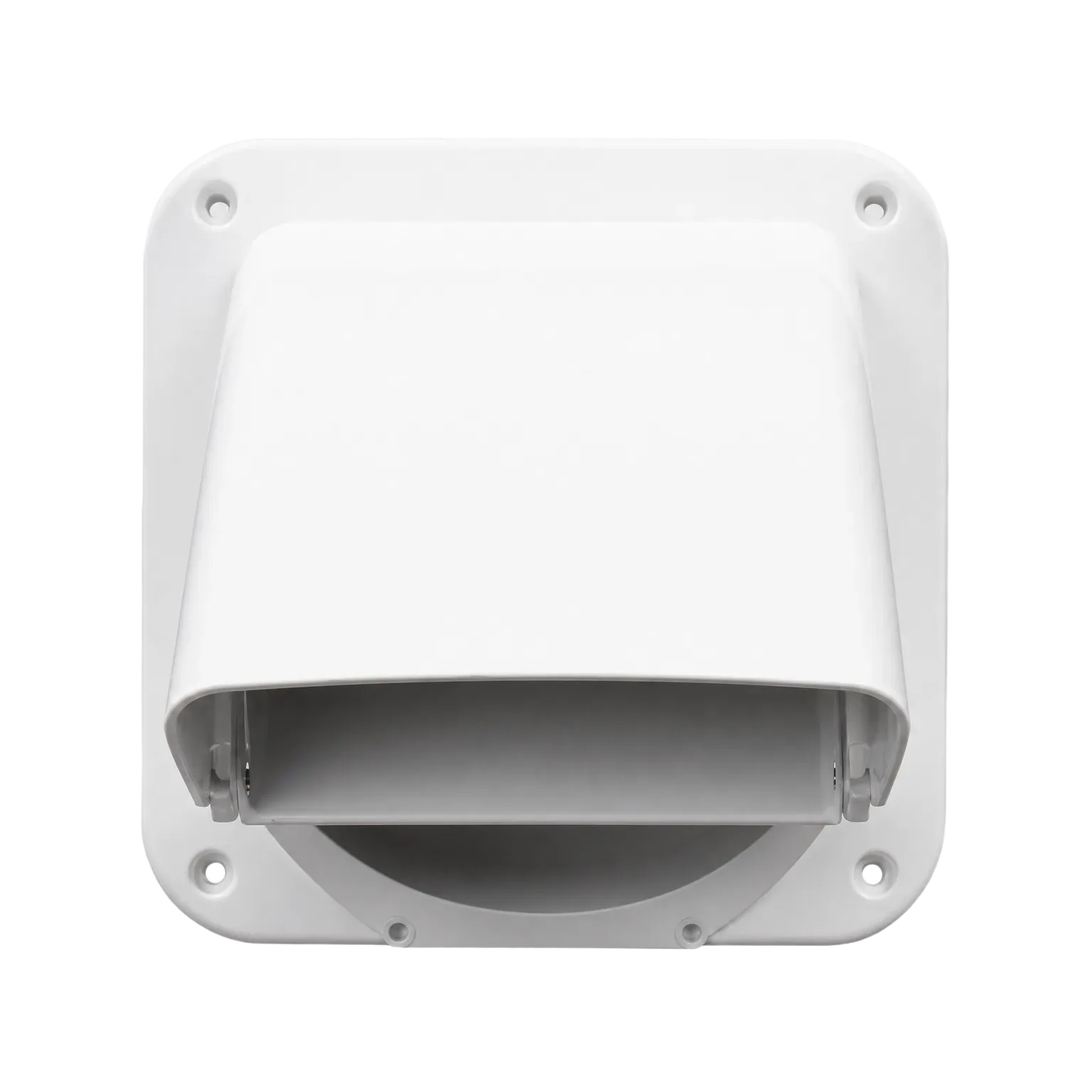
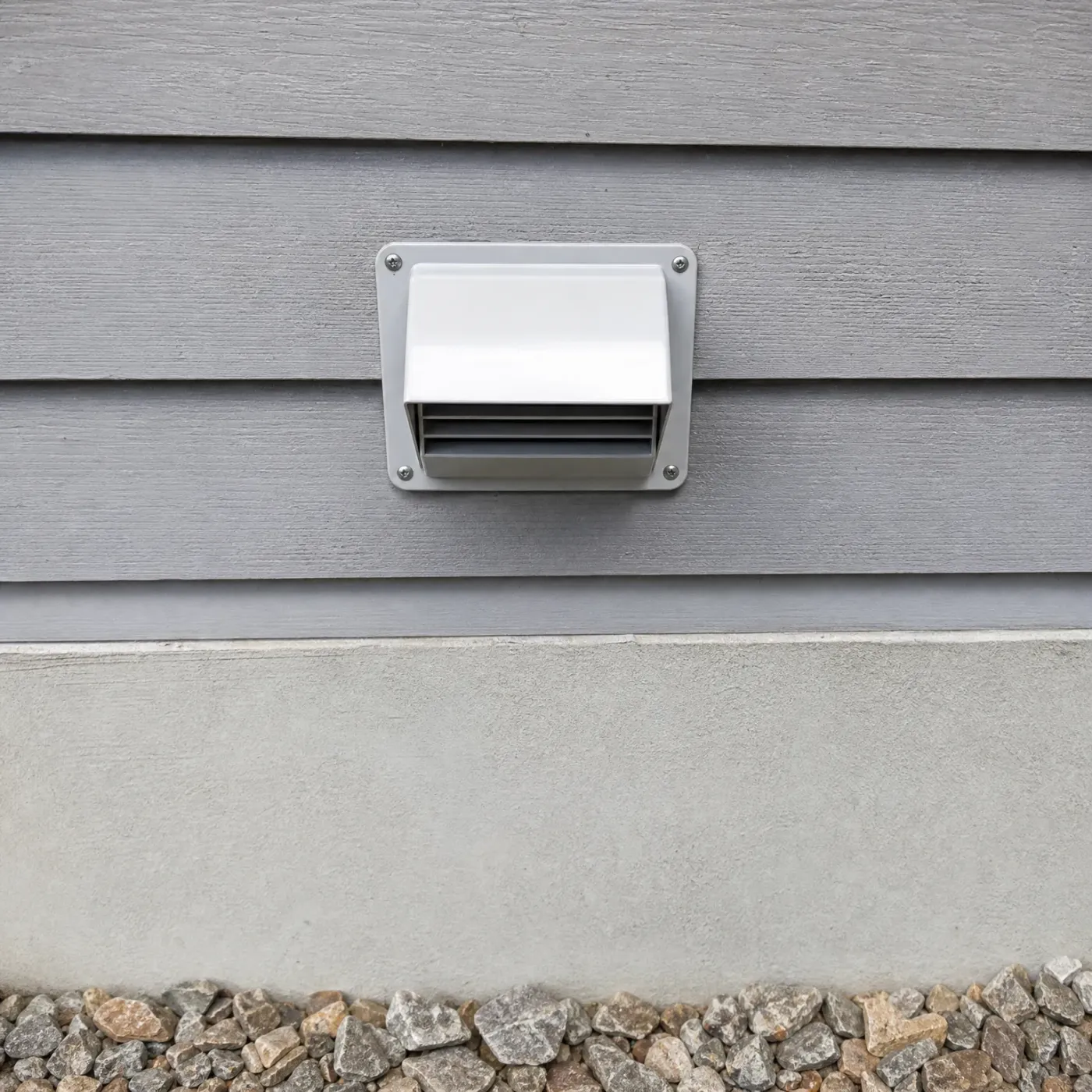
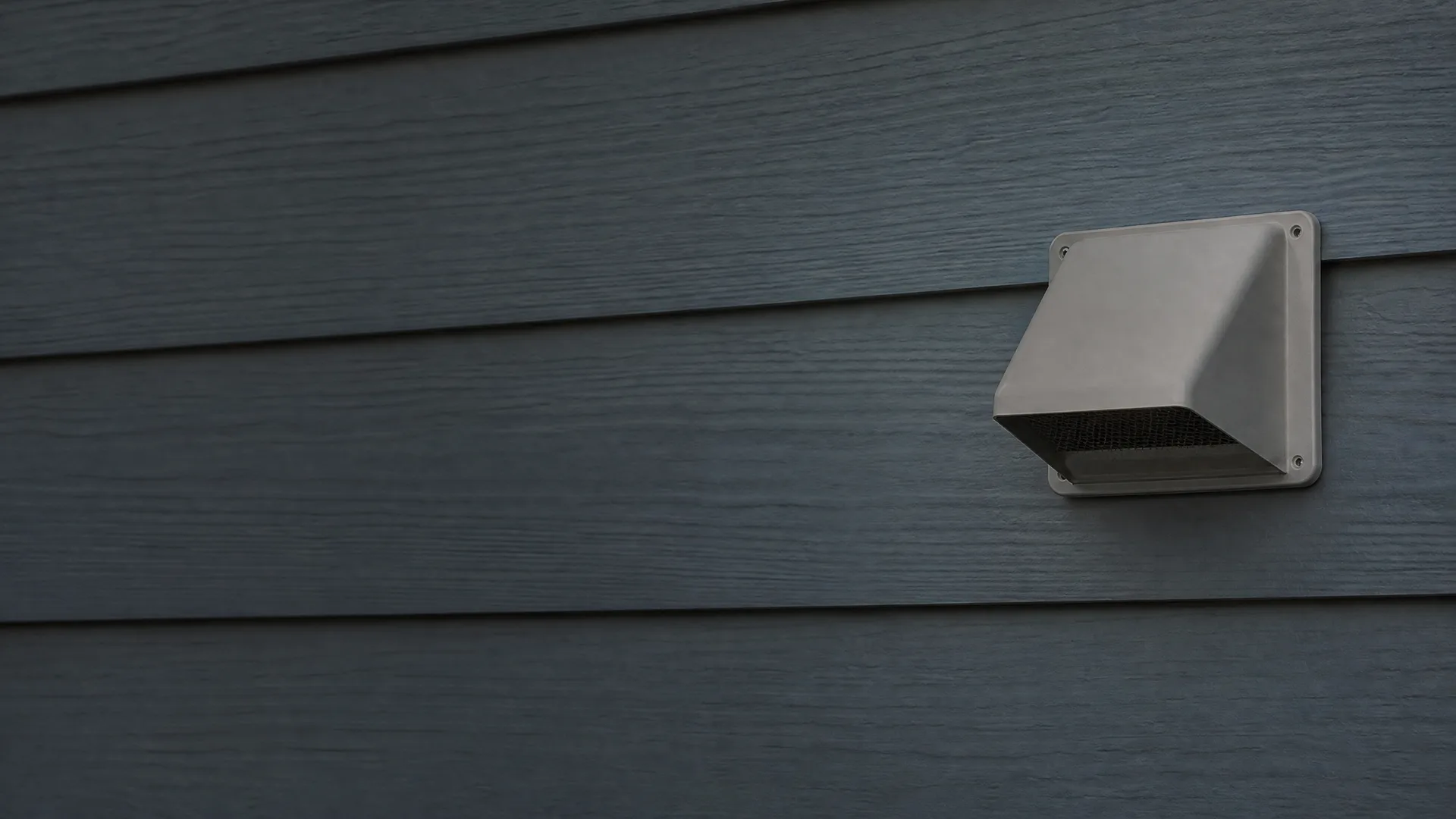
This is what a clear vent looks like from outside. The louvers sit open enough to show the screen behind them, and the flap swings loose on its hinge. Air from your dryer pushes straight out with nothing to slow it down.

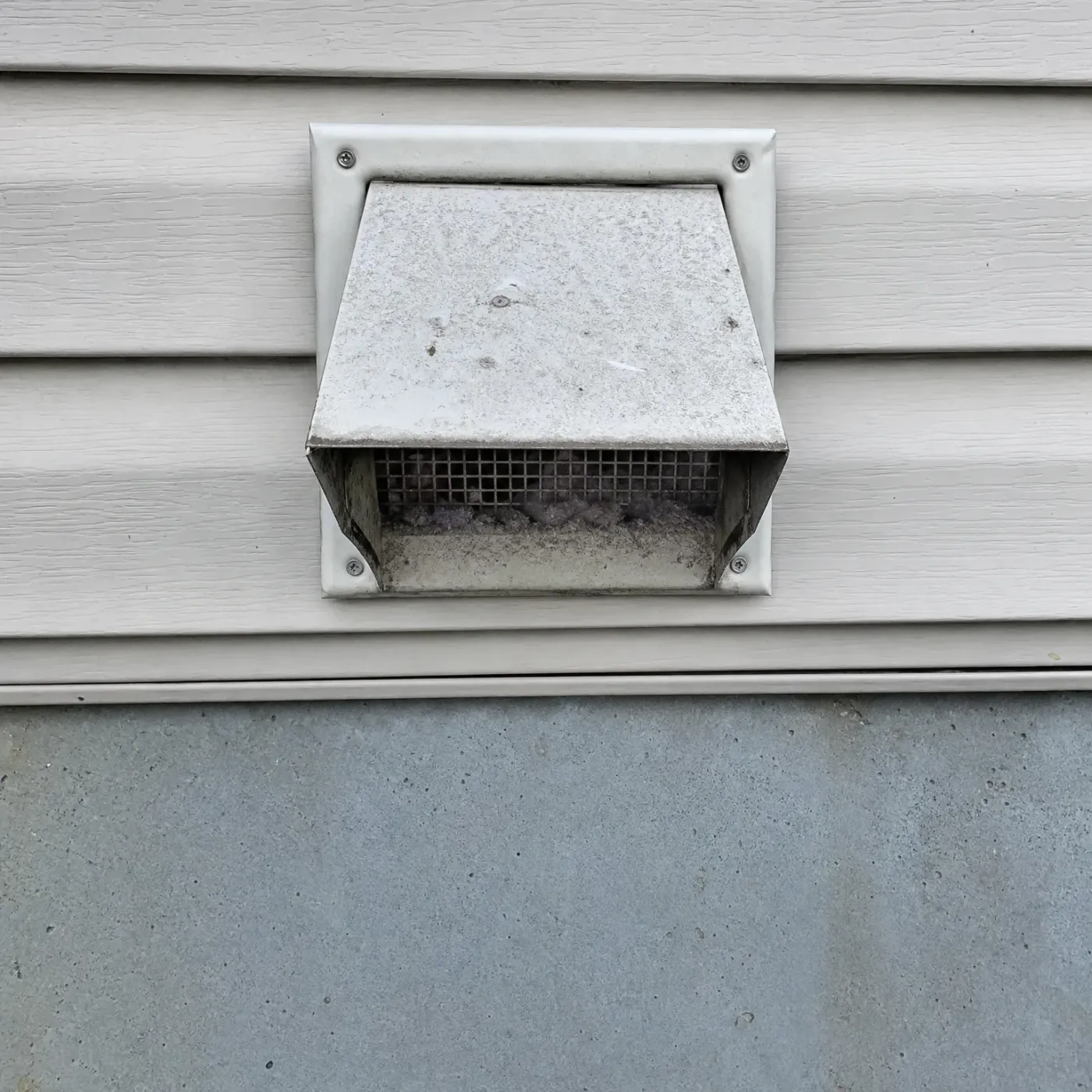
This hood is coated in lint and grime around the flap opening. That buildup usually means the duct behind it is narrowing too, and your dryer is pushing against it every load. The flap barely lifts, and moist air has nowhere to go but back toward the drum.



This is what the outside cap looks like when the duct behind it is open. The louvers hang loose and swing with the airflow. Hot, damp air from your dryer pushes straight out and away from the house, and a load of towels finishes in one cycle.

Lint has built up until it's pushing out past the louvers themselves. The cover can't sit flush or swing open the way it should. Air backs up into the duct instead of venting outside, so your dryer runs longer and the clothes come out still warm and damp.
With just over two and a half people in the average Kootenai County home, most households run a load every day or close to it. That's a lot of hot, damp air moving through the same duct week after week, and a partly clogged vent falls behind faster than you'd think.
ACS 2020-2024
A dryer that needs two cycles to finish a load has a duct that's lost its path, not a machine that's lost its heat. The fix is airflow, not a new dryer. Clear the lint out and the duct goes back to doing the one job it has, carrying hot, damp air out through the hood and away from the house.
This is the kind of job where it helps to have someone who already knows this area. A contractor who works on vents across Kootenai County all year has seen what tends to go wrong in homes here, including the older half of the county's housing stock where ductwork has had decades to pack full. That's a different starting point than someone guessing at your setup for the first time.
You'll be matched with one licensed local contractor, not a handful of companies bidding for the job. That means one call back instead of several, and someone who can look at your vent and tell you plainly whether it's a quick clear or something more involved.
Once that duct is open again, you should notice it fast. A load of towels or jeans comes out of the dryer in one cycle instead of two, the top of the machine stops running hot to the touch, and the laundry room stops holding onto heat after the cycle ends. That's the whole difference a clear vent makes, and it's the difference you're after.
Your request stays with one local pro.