Clean your dryer vent once a year. Idaho summers run hot and dry, and that dry air actually helps here, since lint builds up and clings worse in humid climates than it does in yours. But a year is still long enough for lint to pack the duct tight, especially if you run loads several times a week. A clogged vent makes the dryer run longer to dry the same load, and since most homes here heat with gas, that's extra gas burned on top of the electricity the dryer itself uses. Power may be cheap in Idaho, but a blocked vent also traps heat in the duct, and that heat has nowhere to go but back toward the lint trap and the wall behind your dryer. If drying times have crept up, or the room feels warmer than it used to during a cycle, the vent is already overdue.


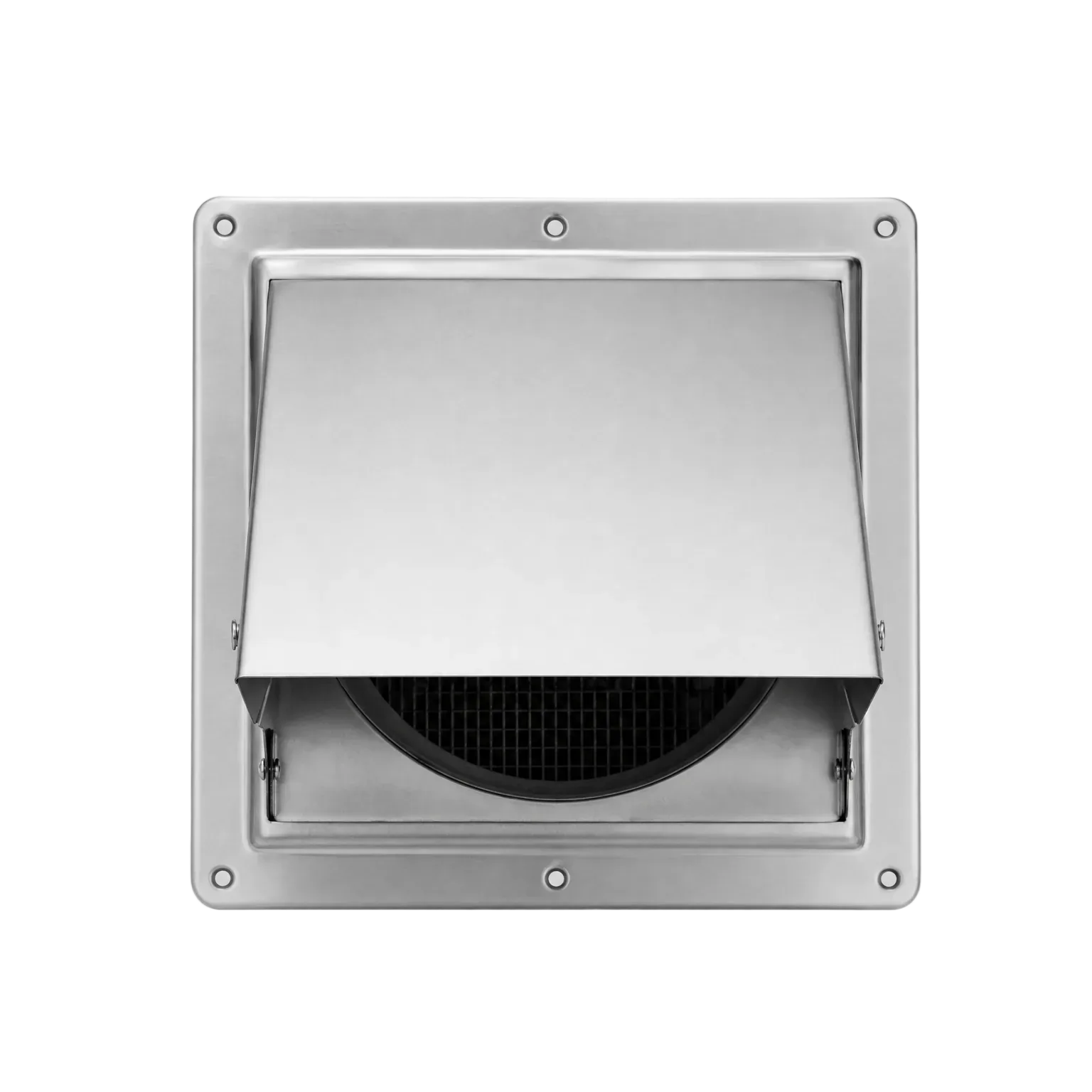
The lint trap only catches what's near the surface. The rest rides the airflow down the duct and sticks to the walls along the way, especially at joints and bends. Over time that buildup narrows the path the air has to take. The dryer has to work harder to push exhaust through, and the air coming out the back gets hotter than it's supposed to. That heat sitting next to trapped lint is how most dryer vent fires start, not from the trap but from inside the duct itself. The material of the duct matters too. Rigid metal sheds lint better than vinyl or foil, which have ridges lint catches on. Outside, the vent hood has a flap that's supposed to open when the dryer runs and close the rest of the time, keeping pests and weather out. A long duct run, or one with several turns to get from the dryer to the outside wall, gives lint more surfaces to grab onto, which means it needs looking at more often than a short, straight one.
What's Happening Inside the Duct
- Lint builds up inside the duct itself, not in the trap you clean after every load.
- A clogged vent forces the dryer to run longer and push its exhaust temperature higher than it should.
- Most dryer fires start in the vent, where trapped lint sits close to the heating element.
- A rigid metal duct run clears easier and holds less lint than a vinyl or foil one.
- The exterior vent hood has a flap that should swing open when the dryer runs and seal shut when it's off.
- A duct over 25 feet, or one with several turns, traps more lint and needs more frequent attention than a short straight run.






The right pro for this job

Describe your dryer vent job once, to one pro.
No charge to send it. You decide if you hire them.
What a clogged vent does to the dryer
A dryer is built to push hot, damp air out through the vent every time it runs. When the duct is tight with lint, that air has nowhere to go, so the dryer draws out the cycle trying to dry a load that should have finished already. Gas is cheap to run here, but a dryer working twice as hard still uses twice the energy, and it puts more wear on the igniter and the drum motor. A gas dryer that keeps shutting off early or won't start again is often one that's been fighting a blocked vent for a while.
What a clear vent means for your house
Idaho's dry summer air already keeps lint from clinging the way it would somewhere humid, so a clear duct here moves air about as freely as it's going to. That matters most for the clothes themselves. A full cycle at the right temperature gets towels and sheets actually dry, not just warm and damp at the folds. It also means the dryer isn't pushing hot exhaust against a wall of packed lint for an hour at a time, which is where the heat has nowhere to go but back into the duct and the wall around it.
Power costs 11.83 cents per kilowatt-hour statewide
Power in Idaho runs 11.83 cents a kilowatt-hour, cheap next to most of the country. That's one less reason a clogged vent hurts you here. The real cost of skipping a cleaning isn't the extra power a straining dryer pulls, it's the lint sitting in your duct waiting to catch.
EIA-861 2025 statewide residential average
Where that leaves you
- Clean your dryer vent once a year, and sooner if loads routinely take longer than they used to.
- Idaho's dry summers slow down lint buildup compared to humid states, but a year still lets enough lint pack the duct tight.
- A clogged vent makes the dryer run hotter and longer, and that heat has nowhere to go but back into the duct.
- Most dryer fires start in the vent itself, not in the lint trap you clean after every load.
- Finding a contractor, comparing quotes and explaining the problem again each time is the part you can skip.
- A yearly cleaning keeps the vent doing the one job it has: pushing hot, damp air straight outside.
Once a year, clean the vent. That's the whole answer. Idaho's dry air buys you a little time compared to someone in a humid state, but it doesn't stop lint from building up inside the duct, and a year is enough for it to pack in tight. You'll notice before anything fails if you pay attention: loads that used to take forty minutes start taking sixty, the top of the dryer feels warmer than usual, or the room gets more humid than it should during a cycle. Those are signs the vent is choking, not signs the dryer is wearing out. The risk isn't really about the power bill, since power here is cheap enough that a straining dryer costs you little extra. It's about what's sitting in that duct. Lint near a heat source is the start of most dryer fires, and the lint trap you empty every load was never going to catch what builds up further down the line. None of this requires you to become the kind of person who inspects ductwork. It requires calling someone once a year, and the part of that worth skipping is the part where you search for who's reliable, call three contractors, and explain the same thing to each one. Get matched instead, let the contractor reach out, and get back to the rest of your week.


Dryer Vent Cleaning
Matched to your dryer vent job
Fill out one short form instead of calling around.
