
2,900 home dryer fires a year
That's the yearly count fire departments attribute to failure to clean, nationwide. A blocked vent is the main reason a dryer runs hotter than it's built to run.
You run a load of laundry most evenings and the dryer feels like it's taking longer than it used to. Somewhere you heard clogged vents start house fires, but that sounds like the kind of thing that happens in older homes back east, not out here where the air is dry and the house is newer. You want to know if it's actually something to worry about or just an old warning that doesn't apply to you.
Lint builds up inside the vent pipe whether you live in a wet climate or a dry one. What changes in Idaho is how fast that lint catches. Summers here run hot and dry, and dry lint ignites more easily than damp lint does. The heating element in your dryer keeps pushing hot air through a pipe that's getting narrower with every load, and once airflow drops enough, that heat has nowhere to go but back into the lint trap and the duct itself. That's where the fires start. A longer dry time or a dryer that runs hotter than normal to the touch are both signs the vent isn't clearing air the way it should.




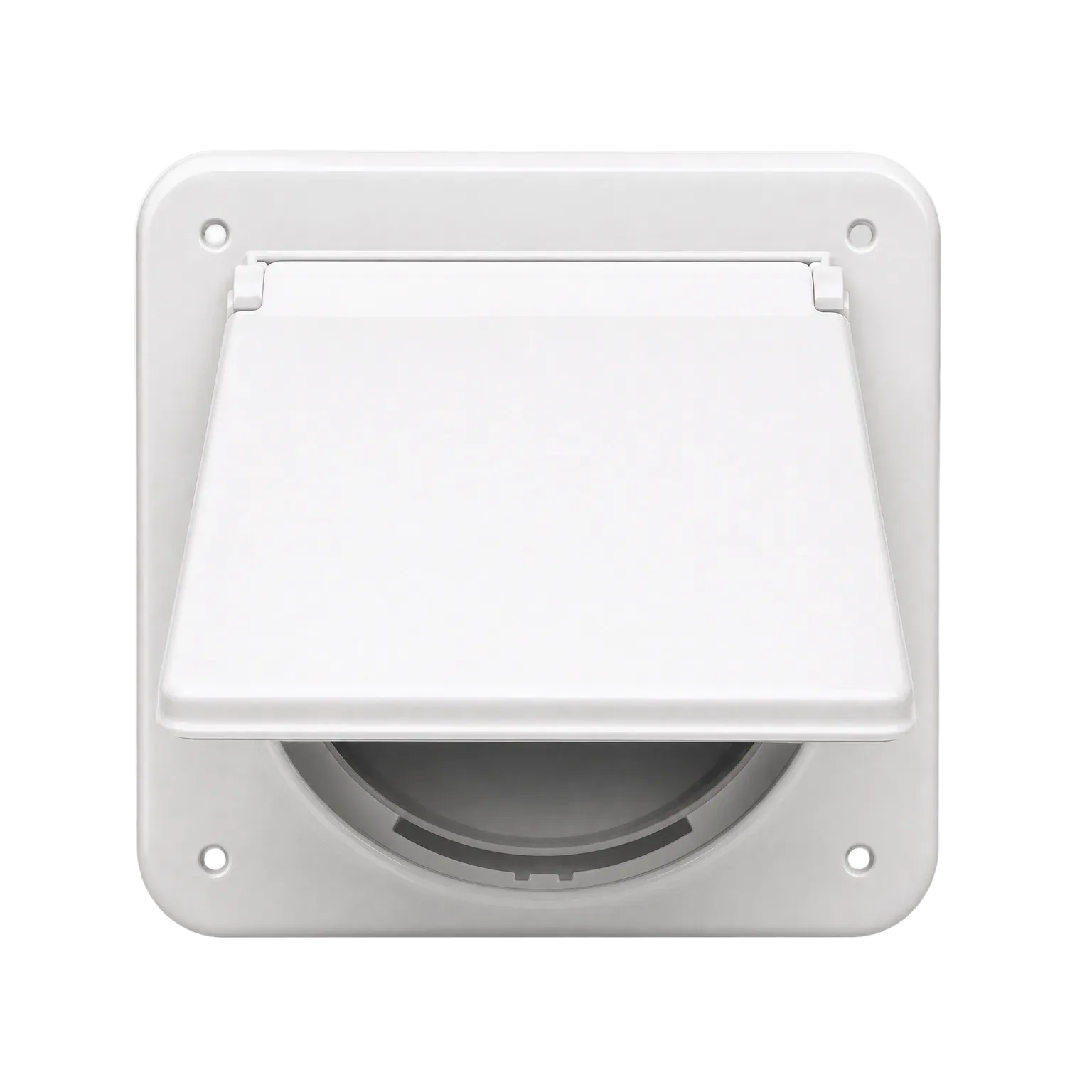
A dryer pushes hot, wet air full of lint through a duct that bends, usually more than once, before it reaches the hood outside. Lint doesn't ride that whole path evenly. It drops out at the bends and piles up at the flap on the outside hood, since that's where the airflow slows down first. Once enough builds up, the air can't get out, and the heat that should be leaving with it stays inside the dryer cabinet, right around the drum and the heating element. In Idaho's dry summer air, the lint sitting in that duct dries out fast and catches easier than lint would somewhere humid. The small screen behind the dryer door only stops a portion of what the machine sheds each load, so the rest heads straight into the vent run, where it collects out of sight. That's also where most dryer fires actually start, not in the drum with the clothes. A duct that's been crushed or flattened at a bend chokes airflow the same way, even in a vent that was cleared out recently.


Your dryer vent cleaning request goes to one local pro.
There's no charge for the request.
Walk behind the dryer and look at what's actually happening. If towels and jeans come out warm but not dry, and you're running the cycle twice, the dryer is already working against something. Idaho's summer air is dry, and that dries the lint too, so it packs fine and loose instead of clumping into a wad you'd notice. It still blocks the vent, just slower and quieter than you'd expect, which is part of why people miss it for a season or two. Start outside at the hood flap. If it won't swing open all the way, or you can see lint caught in the louvers, that's usually where the line first narrows. Work backward from there rather than assuming the blockage is buried deep in the wall. Inside, a dryer fighting a clogged vent runs hotter than it was built to, and that heat wears on the heating element and the thermal fuse with every load. You'll sometimes see the evidence without opening anything up: lint gathering around the vent connection on the wall or behind the machine means air isn't moving through the duct the way it should. If the dryer runs on gas, the stakes are different. The vent isn't just clearing lint, it's carrying combustion exhaust out of the house, and a blockage there keeps that exhaust from leaving the way it's supposed to.


That's the yearly count fire departments attribute to failure to clean, nationwide. A blocked vent is the main reason a dryer runs hotter than it's built to run.
It stops the big pieces. Finer lint rides the airflow past it and builds up farther down the vent, where you can't see it and can't reach it.
At 11.83 cents a kilowatt-hour, running a dryer twice to get one load finished costs you something every week it happens. A clogged vent is why that second cycle keeps running, and clearing it is what brings your bill back down.
EIA-861 2025 statewide residential average
A clogged dryer vent is a real fire risk, not a maybe. The lint traps heat where it shouldn't be, the dryer works harder than it should, and that is how fires start in houses just like yours. If your dryer has been running long or hot for a while now, the vent is worth checking before it decides the question for you. A local contractor who clears vents in Idaho homes all year knows which bends trap lint fastest and what a hood flap looks like when it's finally doing its job again. You'd be working with one contractor, not fielding calls from three different companies trying to win the same job, and that contractor is licensed to do this work in your state. The dryer will still take the time it takes to dry a load. What changes is whether the air moving through that vent can actually get outside, and whether the heat building up behind a clog is something you dealt with or something you waited on.

Your request goes to one pro, not a list of companies.