
Idaho HVAC Pros
Profile view of a bearded man wearing a dark baseball cap and a dark gray T-shirt against a plain off-white background.

Signs your dryer vent is clogged in Idaho

Duct and vent cleaningIdaho
Step 1 of 3

What kind of equipment?

What are the signs your dryer vent is clogged?

You keep an eye on small problems before they turn into bigger ones, and lately your dryer has been acting off. Maybe clothes come out hot but still damp, or the laundry room feels warmer than it should. You want to know what a clogged vent actually looks like so you can tell whether that's what's going on before it costs you more than time.

Clothes that take two cycles to dry, and a dryer that's hot to the touch

A clogged vent shows up first in how long drying takes. If towels and jeans that used to come out dry in one cycle now need a second run, lint is building up somewhere between the drum and the outside wall. You might also notice the dryer itself running hotter than usual, or the top of the machine warm to the touch partway through a load. Check the outside vent hood while a cycle is running. If you feel little to no airflow there, or the flap barely moves, air isn't getting out. With Idaho's dry summers, lint collects fast and burns the risk of a vent fire higher than most homeowners expect. A burning smell or visible lint around the vent opening means it's past due for a cleaning.

  1. Lint builds up inside the vent duct over time.

  2. Airflow drops, so hot moist air can't escape outside.

  3. The dryer runs longer trying to dry each load.

  4. Heat and moisture stay trapped, warming the laundry room.

Clogged Vent or Running Normally

Clogged Vent

  • Clothes come out hot to the touch but still damp, even on a long cycle.
  • The outside vent hood flap barely moves or stays shut when the dryer runs.
  • The laundry room gets noticeably warmer than the rest of the house during a cycle.
  • You smell a faint burning or hot dust smell partway through drying.
  • Lint shows up around the vent hood outside or behind the dryer.
  • A load that used to take forty minutes now takes two cycles to finish.

Normal Operation

  • Clothes come out dry and just warm, not hot, at the end of a normal cycle.
  • The outside vent hood flap opens fully and you can feel steady warm air when you stand near it.
  • The laundry room stays close to room temperature while the dryer runs.
  • One cycle dries a full load in the usual amount of time, load after load.
  • The lint trap catches most of the lint, and little or none collects further down the line.
  • The dryer shuts off on schedule instead of running past the timer to finish drying.
A white hooded exterior vent cover with a louvered underside, screwed to beige horizontal lap siding above a lighter stucco lower wall.

Vent working right

Air pushes the hood flap open wide every time the dryer runs, and it falls shut again once the cycle ends. Stand outside and you'll feel warm air moving out in steady bursts. The cap stays clean, just screwed to the siding, doing its job.


A beige plastic dryer vent hood mounted on horizontal vinyl siding, with clumps of gray lint protruding from the open flap.

Vent clogged with lint

Lint has built up enough to show at the opening, caught in the louvers and spilling out around the edges. The flap can't move right with lint packed behind it. That buildup outside means more of it is sitting in the duct between your dryer and the wall.

A white hooded dryer vent mounted on horizontal lap siding, with a thick mass of gray lint clogging the opening beneath the hood.
Before you get your dryer vent cleaning
A metal hooded dryer vent with a louvered opening mounted on beige horizontal lap siding above a concrete foundation wall.
After you get your dryer vent cleaning
A white louvered dryer vent hood mounted with four screws on beige horizontal lap siding above a gray stucco foundation and concrete walkway.

The hood doing its job

Air pushes the louvers open every cycle and they close when the dryer shuts off. The hood stays mounted flat against the siding, screws tight, no lint ring forming around the opening or down the wall below it.

A white plastic dryer vent hood mounted on beige horizontal vinyl siding, with lint clogging its lower opening and a concrete foundation below.

The hood losing the fight

Lint has packed in behind the cover until the louvers can't swing open anymore. The gray buildup sits right at the opening, and the dryer is pushing air against a vent that has nowhere left for it to go.

A smiling man in a navy long-sleeve shirt sits at a wooden table in a kitchen and dining area, with a ceramic mug, a potted plant, and a sliding glass door behind him.
A smiling bearded man in a green henley shirt stands at a kitchen island with a gray mug, looking off to the side, with a dining area and shelves blurred behind him.
A smiling bearded man in a navy sweater sits at a white kitchen island with a ceramic mug, with open shelves, potted plants and a range hood behind him.
A smiling man in a dark olive long-sleeve shirt sits in a kitchen beside a counter with a dark mug, with a dining table, sideboard and hallway visible in the blurred background.

Let someone else find the pro

A clogged vent doesn't just slow a load down. Idaho summers run hot and dry, and a dryer that's already working against a blocked vent runs hotter still, which is how lint fires start. With power cheap here, people tend to let a dryer run a second or third cycle without thinking twice about it, but that extra runtime is the vent telling you it can't push air out anymore. Letting it go means more heat sitting in that duct every time you do laundry. You don't need to climb on the roof or pull the dryer from the wall to deal with this. A local contractor who clears vents all over Idaho knows which part of the run tends to pack with lint first in homes like yours and checks it without guesswork. Send the request and that search becomes someone else's job. You'll hear from one contractor, not a handful, so you can get back to running your dryer without wondering what's building up behind the wall.

Why gas dryers show it sooner

Most homes in Idaho dry clothes with a gas dryer, and a gas dryer has a reason to clear its exhaust that an electric one doesn't share. Burning gas produces moisture and combustion byproducts that have to leave through the vent along with the hot air. When lint narrows that path, the dryer isn't just pushing out damp air against resistance, it's pushing out what the burner made. That's part of why a clogged vent on a gas dryer tends to announce itself faster than on an electric one. A longer dry time or a hot, stuffy laundry room shows up sooner because the exhaust has less room to work with from the start.

What the lint trap can't catch

The lint trap inside the dryer only catches what passes through it, and a good amount of lint rides the airflow right past the screen. That lint travels down the duct and settles wherever the airflow slows down, usually at a bend, a joint, or the last few feet before the hood outside. Over time it builds into a dense layer that the trap never sees and never stops. This is why cleaning the lint trap faithfully before every load doesn't prevent a clogged vent. The screen handles what's inside the dryer. Everything that gets past it becomes the vent's problem, not the trap's.

A bearded man in a navy T-shirt sits on a light-colored couch indoors, smiling while looking down at a laptop screen in the foreground, with a framed picture and a potted plant blurred behind him.
A bearded man in a plaid flannel shirt sits indoors looking out a window at snow-covered trees, with a steaming mug on the sill and wooden kitchen shelves behind him.

Power costs 11.83 cents per kilowatt-hour statewide

At 11.83 cents a kilowatt-hour, Idaho power is cheap enough that running a dryer twice to finish one load barely shows up on the bill. That's exactly why a clogged vent goes unnoticed here longer than it should. There's no cost signal pushing you to check the vent before the lint builds up into a fire risk.

EIA-861 2025 statewide residential average

A metal hooded dryer or exhaust vent mounted with screws on gray horizontal lap siding, beside a plain off-white wall surface.

What it does to your bill

A clogged vent makes the dryer run a second or third time to finish one load, and in Idaho that extra cycle barely moves the needle on a power bill this cheap. So the bill never tells you something's wrong. Meanwhile the dryer itself wears down faster, the heating element and the motor working longer than they were built to each time you run a load.

A white metal hooded exterior vent screwed to a square backing plate on light gray horizontal lap siding, with a blank off-white wall filling the left half of the frame.

What it puts at risk

Lint is the fuel. A blocked vent traps heat and lint together right where the dryer pushes hot air, and that combination is how fires start. You don't need a worst case to lose something over it either. A dryer straining against a clogged vent runs hotter for longer, and that shortens the life of the parts inside it, the ones that cost real money to replace.

A dryer that runs hot but leaves clothes damp, a hood flap that won't lift, a laundry room warmer than the rest of the house. Any one of those is lint built up somewhere between the drum and the outside wall, and the fix is the same either way: clear the duct so air can move through it again. A dryer vent technician working in Idaho sees this in gas and electric dryers alike, every week, and knows the duct runs and hood styles common to homes here well enough to find the blockage fast instead of guessing. You'll be matched with one licensed contractor local to your area, not a list of companies competing for the job, so there's one call to make and one person who shows up knowing what they're looking at. Once that request is sent, the search is done. You don't have to track down who's available or whether they do this kind of work. The vent gets cleared, the dryer goes back to drying a load in one cycle, and the risk sitting behind that warm laundry room goes with it.

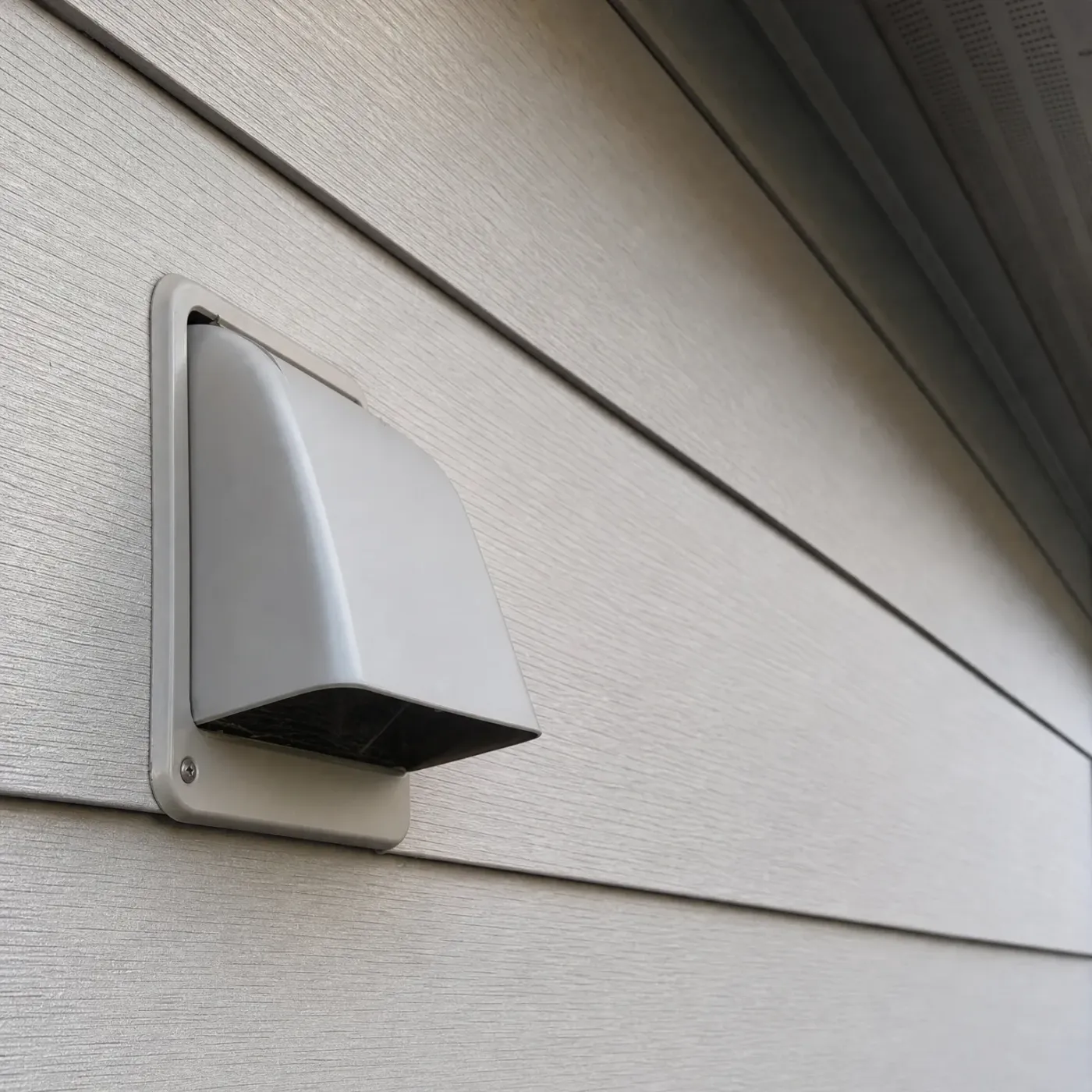
A gray hooded dryer vent cover mounted on light gray horizontal lap siding, viewed at a steep angle.

One request and it's handed off

Find a licensed dryer vent pro

The pro who reaches out is licensed in Idaho.

Sending the form costs nothing.