







How often to clean a dryer vent in Nampa, ID

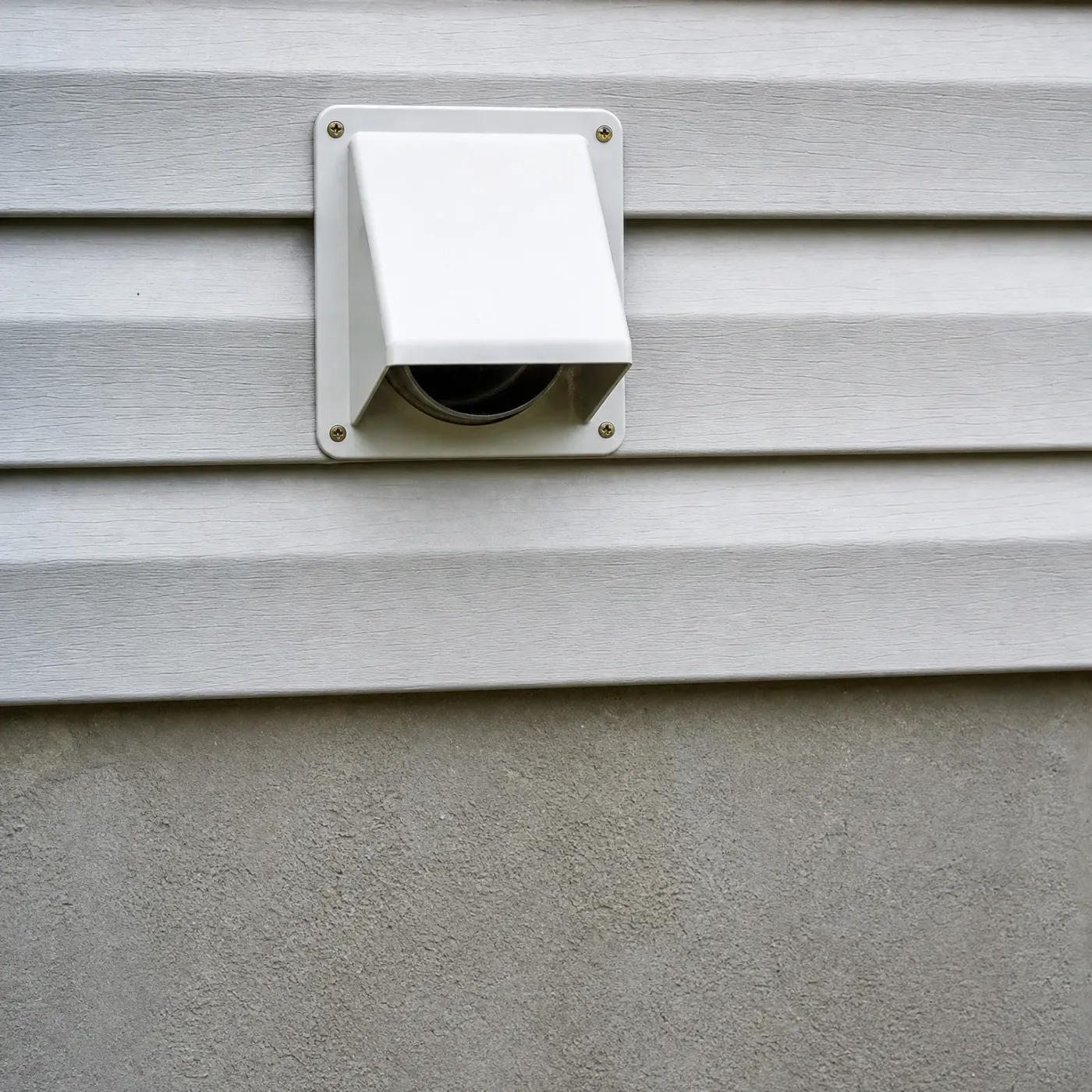
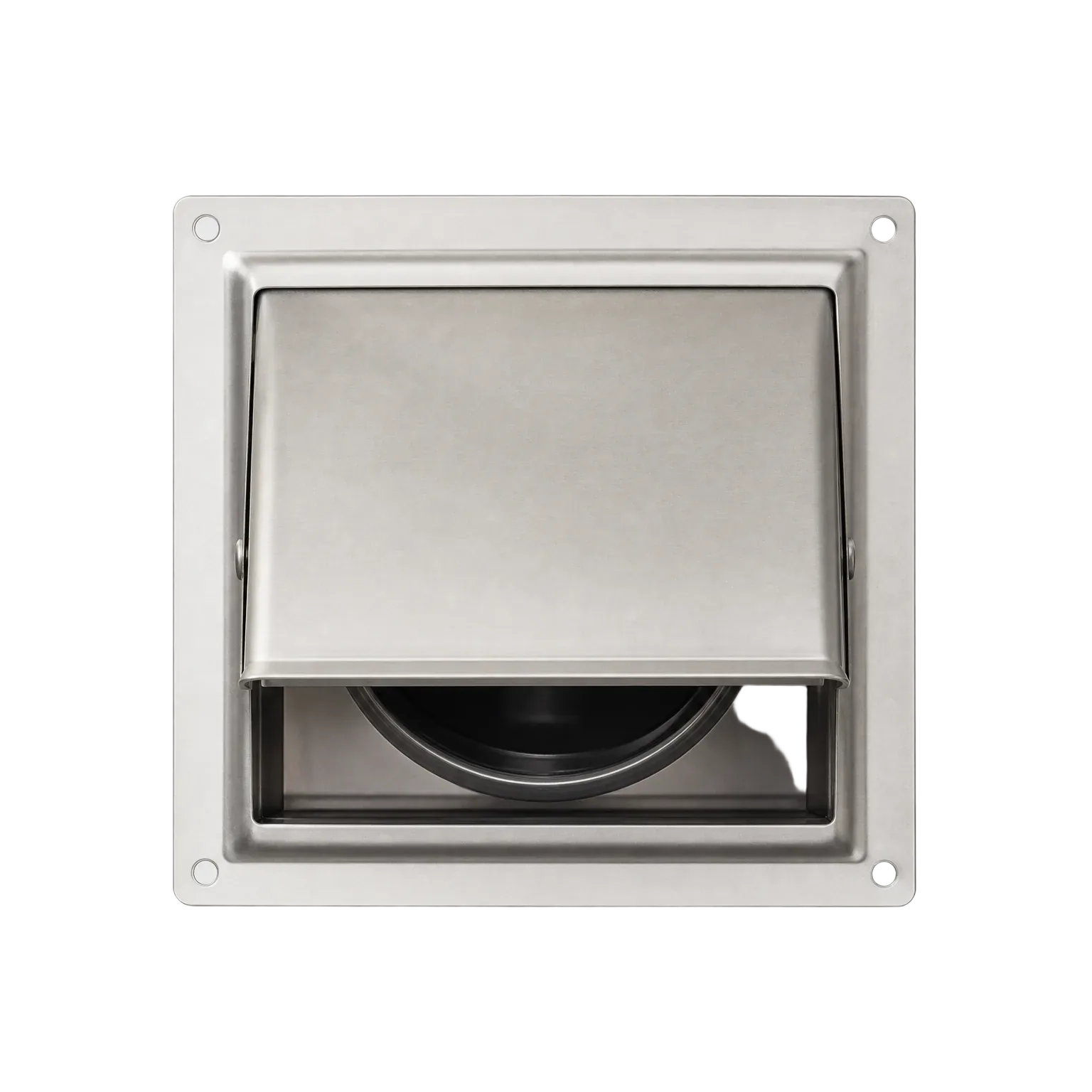
A square stainless steel wall vent with four corner screw holes and a hinged flap cover, partly open to reveal a dark circular duct opening, shown against a plain light gray background.
Hand it off

How often should I clean my dryer vent in Nampa, ID?

You run a load of laundry most days, and lately it's taking longer to dry, or the top of the machine feels warm to the touch. You've heard a clogged dryer vent can be a fire risk, and you want to know how often you actually need to have it cleaned so it doesn't turn into a bigger problem.

Once a year, more often if you dry a lot of loads

Once a year is enough for most households in Nampa. Lint builds up inside the vent every time you run a load, and it narrows the path hot, damp air needs to escape. A household running the dryer daily, or drying heavier loads like towels and bedding, can fill that vent faster and may need a cleaning every six to eight months. Canyon County summers are hot and dry, which means the dryer isn't competing with humid air to begin with, so a clogged vent shows up fast as longer dry times or a hot top panel. If your dryer is taking two cycles to dry a load it used to finish in one, the vent is overdue.

A smiling man in a dark green shirt over a white t-shirt sits at a kitchen counter with a dark mug, looking off to the side, with shelves, plants and a bright living area behind him.
A man in a gray long-sleeve waffle-knit shirt smiles and looks off to the side in a kitchen with open shelving, a refrigerator, a wooden sideboard with a potted plant, and a glass door to the right.
A man in a dark green ribbed sweater stands smiling and looking off to the side beside a stone kitchen counter with a ceramic mug, with a dining table, pendant lights, and large windows in the background.
A bearded man in a gray long-sleeve shirt stands smiling and looking off-camera beside a kitchen counter with a white mug, with a living room, fireplace and wall-mounted television behind him.

What does your household actually run through that vent?

  • 2.87 people per household on average

    Households in Canyon County run close to 3 people on average, and more people means more loads through the same vent every week, more lint built up between cleanings.

  • Half the homes here were built by 1999

    Half the homes around Nampa were built in 1999 or earlier, so a lot of the ductwork pushing lint outside has been doing it for over 25 years without anyone looking at it.

  • Power here costs 11.78 cents per kilowatt-hour

    Electricity here runs about 11.78 cents per kilowatt-hour, cheap enough that most people never notice a dryer working harder than it should to push air through a vent that's partly blocked.

ACS 2020-2024 · EIA-861 2025

A white plastic hooded dryer vent with a louvered opening mounted on gray horizontal lap siding, beside a plain light-colored wall surface.

Once a year is usually enough

If it's just the two of you, or the machine only runs a few times a week, once a year keeps the vent clear. Lint builds up slowly at that pace. A dryer that's venting well will still dry a full load in under an hour. Mark it on the calendar for the same month each year, maybe when you swap out furnace filters, so it doesn't slip your mind until the dryer starts taking longer to finish.

A white hooded dryer vent cover screwed to beige horizontal lap siding on an exterior house wall, with a blank wall at left.

A full house needs it twice

A family of four or five running loads daily pushes a lot more lint through that same duct. Twice a year keeps up with it, once heading into summer and once before the cold sets in. If you're noticing lint around the outside vent hood, or the laundry room feels warmer than it should while the dryer runs, that's lint building up faster than a yearly cleaning can handle.

A closed laptop and a ceramic mug of coffee on a wooden table, with a blurred kitchen counter, cutting board, utensil jar and plant in the background.

What a blocked vent costs you

A dryer fighting a clogged vent runs hotter and longer every time you use it. You'll see it on the power bill before you see anything else, and you'll feel it in a laundry room that stays warm and smells faintly of hot lint even after the cycle ends. Clothes come out damp on the first pass more often, so you run them twice, which is exactly the extra wear and extra cost a clear vent avoids.

The other cost is the one you don't want to find out about the hard way. Lint is fuel, and a dryer vent is where it collects in a tight space right next to a heat source. You don't have to become the person who tracks all this. Once you send the request, you're not the one calling around Canyon County for someone who does vent cleaning, checking if they're free this week, or explaining the same thing twice to two different companies. That part stops being yours to manage.

A light-colored ceramic vase holding green leafy branches sits on a round wooden table, with a wooden-framed armchair draped in a cream throw, a tripod floor lamp, and sheer curtains blurred in the background.
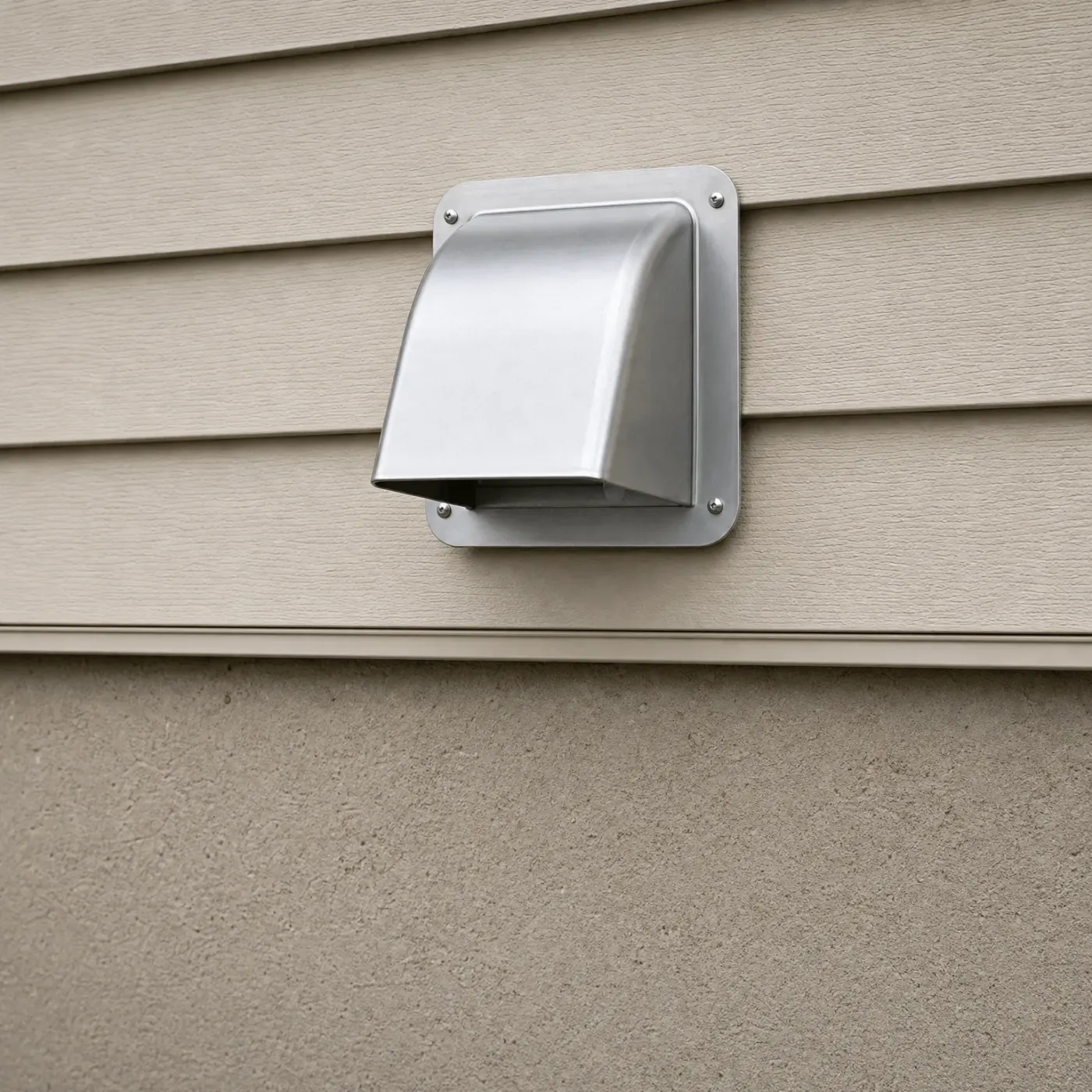
A metal hooded dryer vent cover mounted on beige horizontal lap siding above a textured concrete foundation wall.

Clear and venting well

This is what a clean setup looks like: a hooded cap flush against the siding, screwed down tight, with nothing hanging off it. Air pushes straight out when the dryer runs. No lint caught at the opening, no buildup on the screws or backplate. This is the baseline you're aiming to keep.
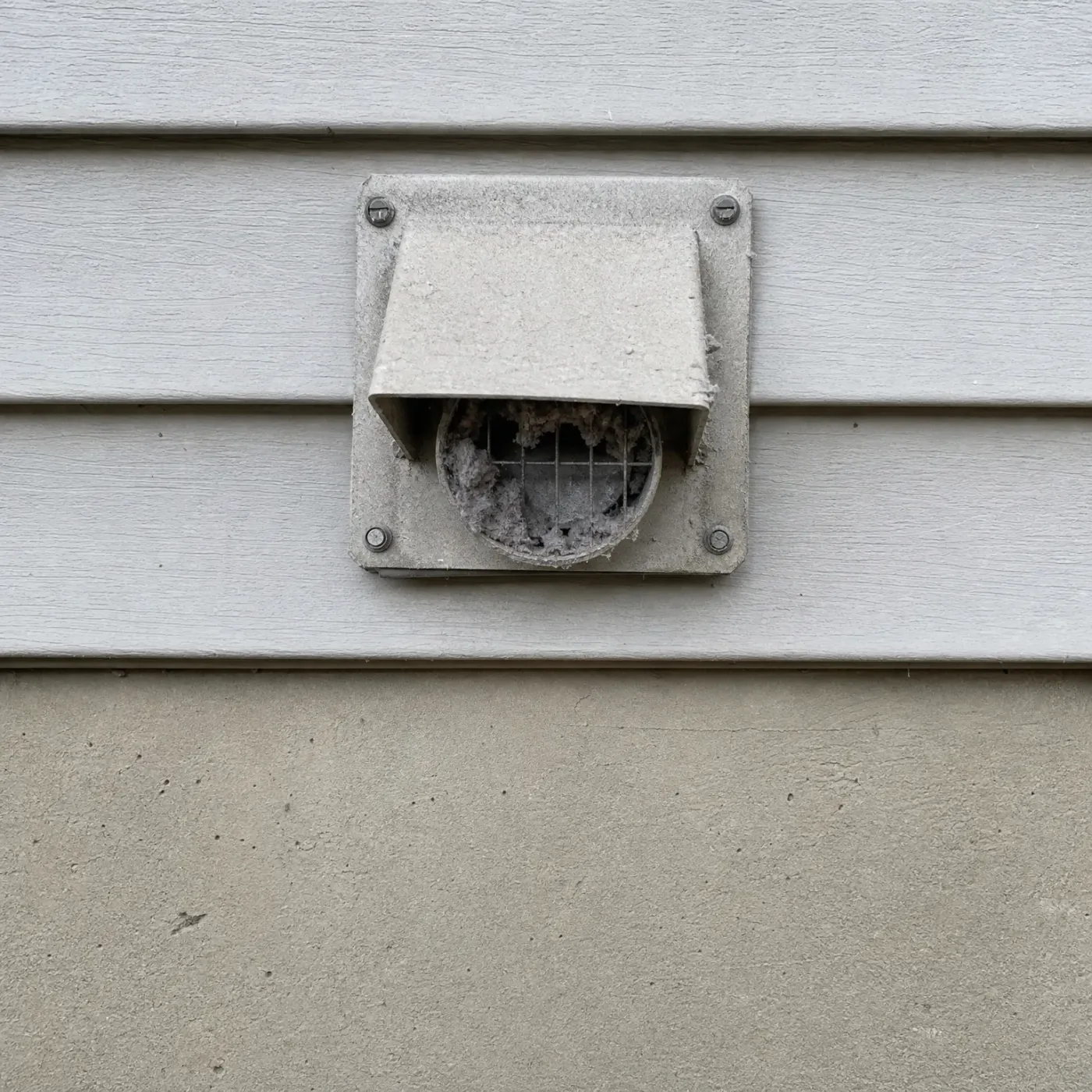
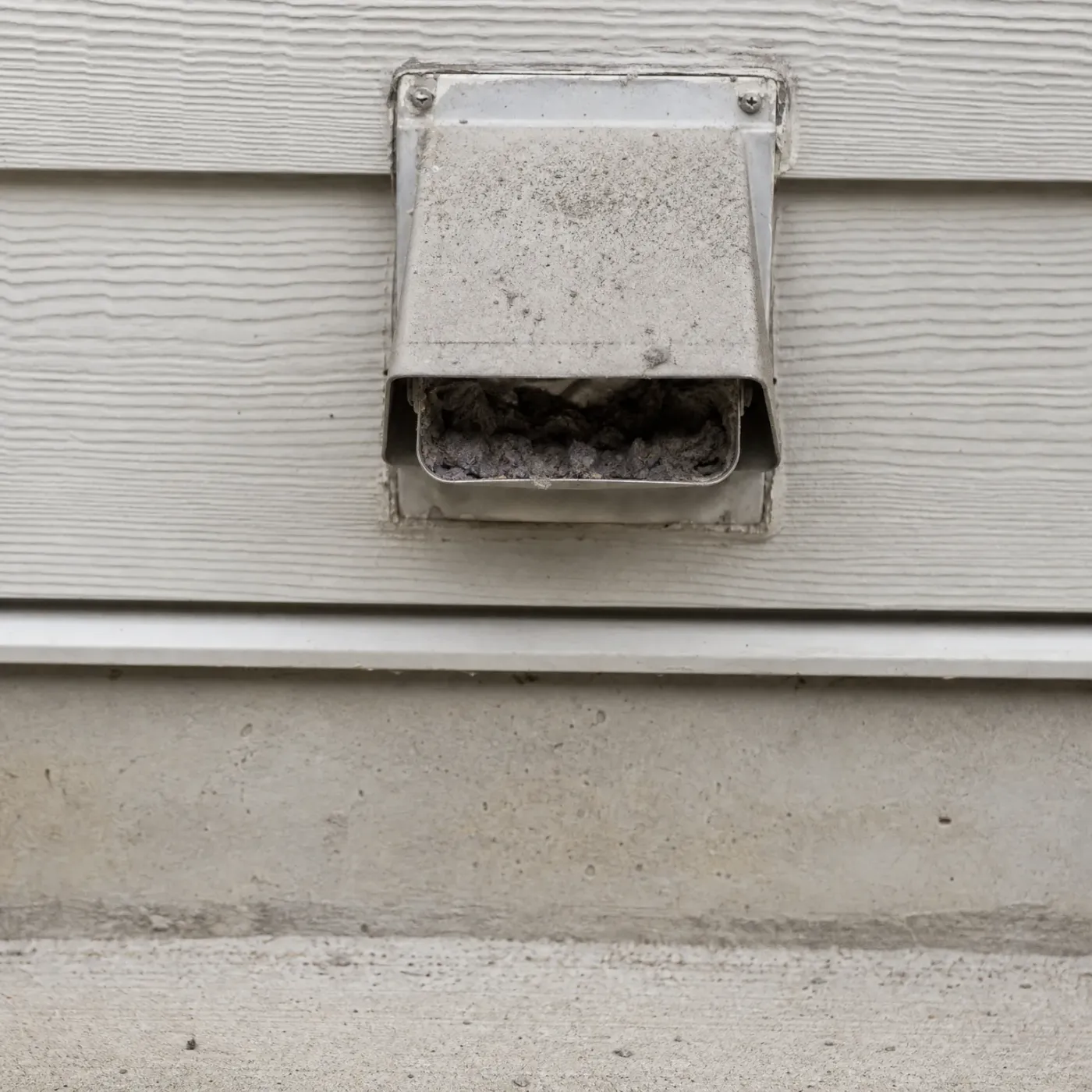
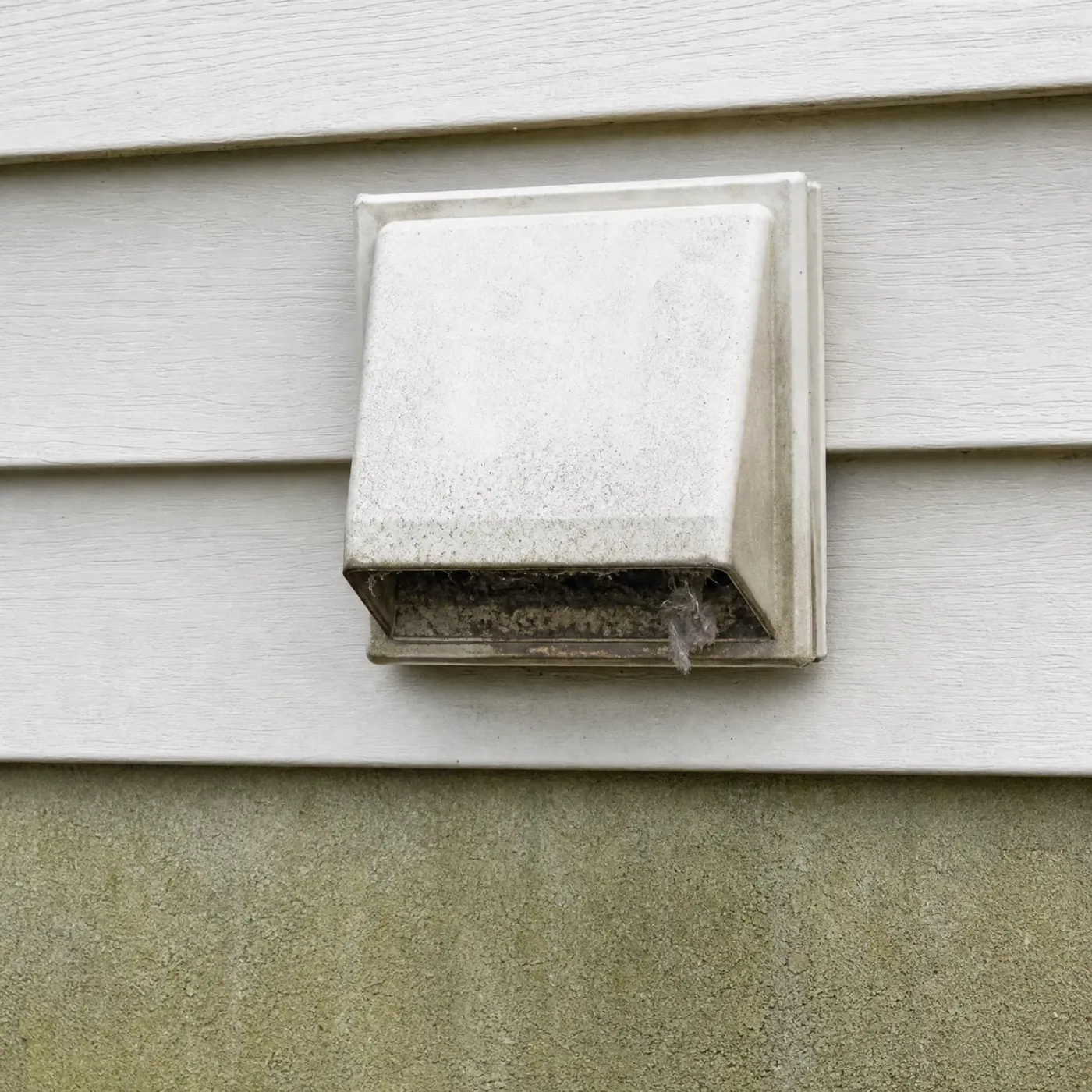
A metal dryer vent hood screwed to light gray lap siding, with lint clogging the round opening and a lower concrete wall below.

Clogged and overdue

This cap has a wire screen across the opening, and lint has packed it solid. Air can't push past that. The dryer keeps running because the moist air has nowhere to go, and whatever lint gets past the screen stays in the duct behind it. This is what a vent looks like past due for cleaning.

Clean It Yourself or Call a Pro

Clean it yourself

  • You can pull the dryer out, disconnect the duct, and run a brush kit through it in under an hour if the run is short and straight.
  • A brush kit costs you once and works for every cleaning after that, not just this one.
  • You won't see inside a duct that runs through a wall or attic, so a hidden sag or a bird's nest at the cap stays missed.
  • Pulling a gas dryer away from the wall means disconnecting the flex gas line, and reconnecting it wrong risks a leak.
  • You're limited to what a brush can reach, and a long run with a few turns in it won't get cleared end to end.
  • If the vent run is longer than about 25 feet or has several bends, a shop vac and brush from the dryer end usually can't reach the cap.

Have it professionally cleaned

  • A contractor runs a rotating brush the full length of the duct from both ends, including the stretch you can't see or reach.
  • They check the cap outside, the clamps at each joint, and the duct material itself, which a homeowner cleaning blind won't catch.
  • They can tell you if the vent run is too long or has too many turns to clear well on its own, and what that means for how often it needs doing.
  • You skip calling around for someone who works on dryer vents specifically, since most general handymen don't carry the right brush length.
  • A loose or crushed section of flexible duct gets caught and fixed in the same visit instead of found months later as a slow dry problem.
  • If the dryer is gas, a contractor checks the connection is sound while the unit is already pulled out, instead of you handling the gas line yourself.
A metal dryer vent hood mounted on light gray horizontal lap siding, with its opening clogged by gray lint, above a concrete foundation wall.
Before you get your dryer vent cleaning
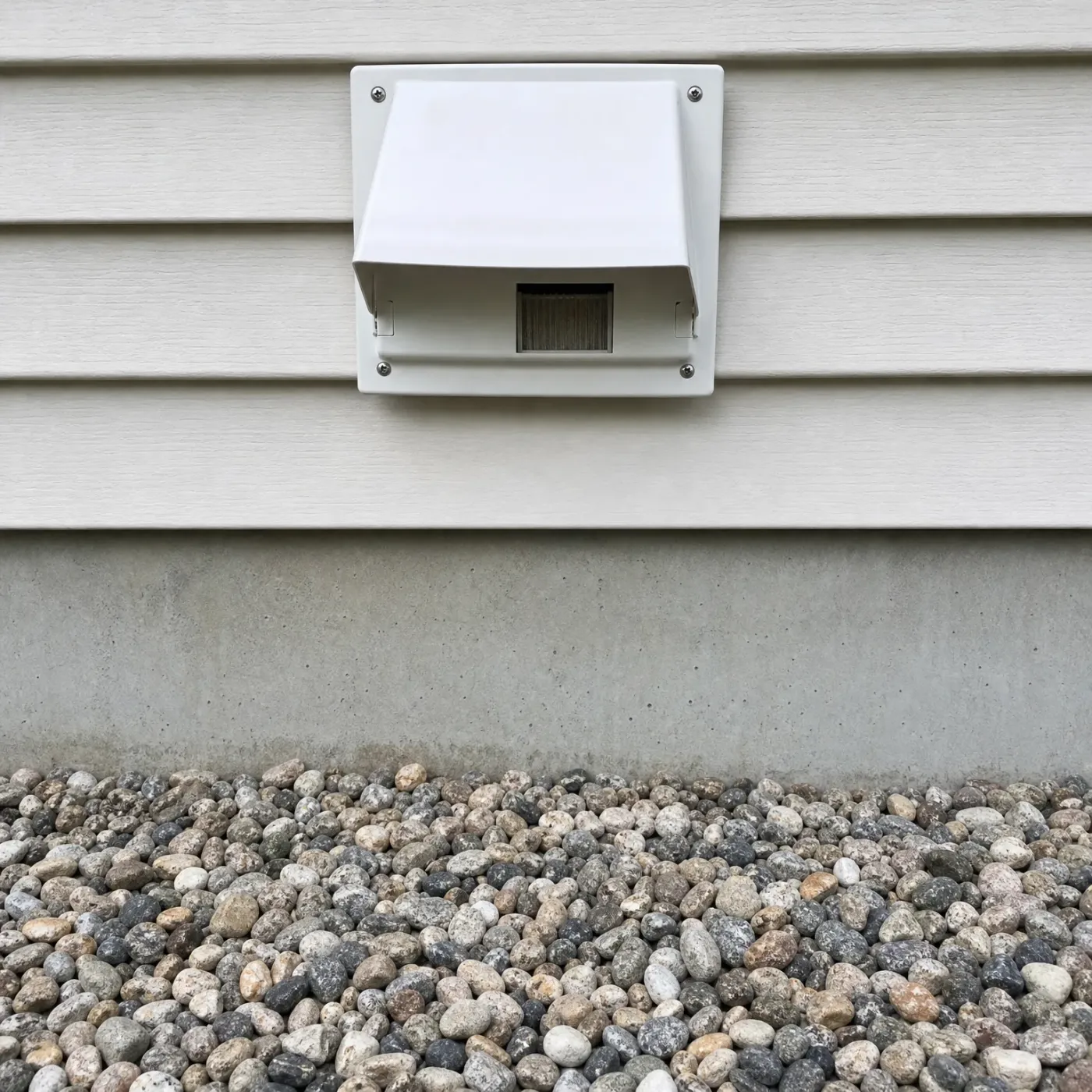
A white hooded dryer vent cover screwed into beige lap siding above a concrete foundation wall, with a bed of rounded gravel at the base.
After you get your dryer vent cleaning
  1. Lint builds up inside the duct every time the dryer runs.

  2. Warm moist air pushes against the lint instead of escaping outside.

  3. Airflow slows, so the dryer runs hotter and longer.

  4. A contractor disconnects the duct at the dryer and the outside hood.

A bearded man in a dark blue T-shirt sits on a gray couch, smiling and looking down to his left, with a bookshelf and a bright window behind him.
A bearded man in a plaid flannel shirt stands indoors beside a wood-framed, frost-covered window, looking outside, with a steaming brown mug on the sill and a wooden cabinet behind him.

One request and it's handed off

Skip searching for someone who cleans dryer vents in Canyon County.

Asking costs nothing, and the choice to hire stays yours.

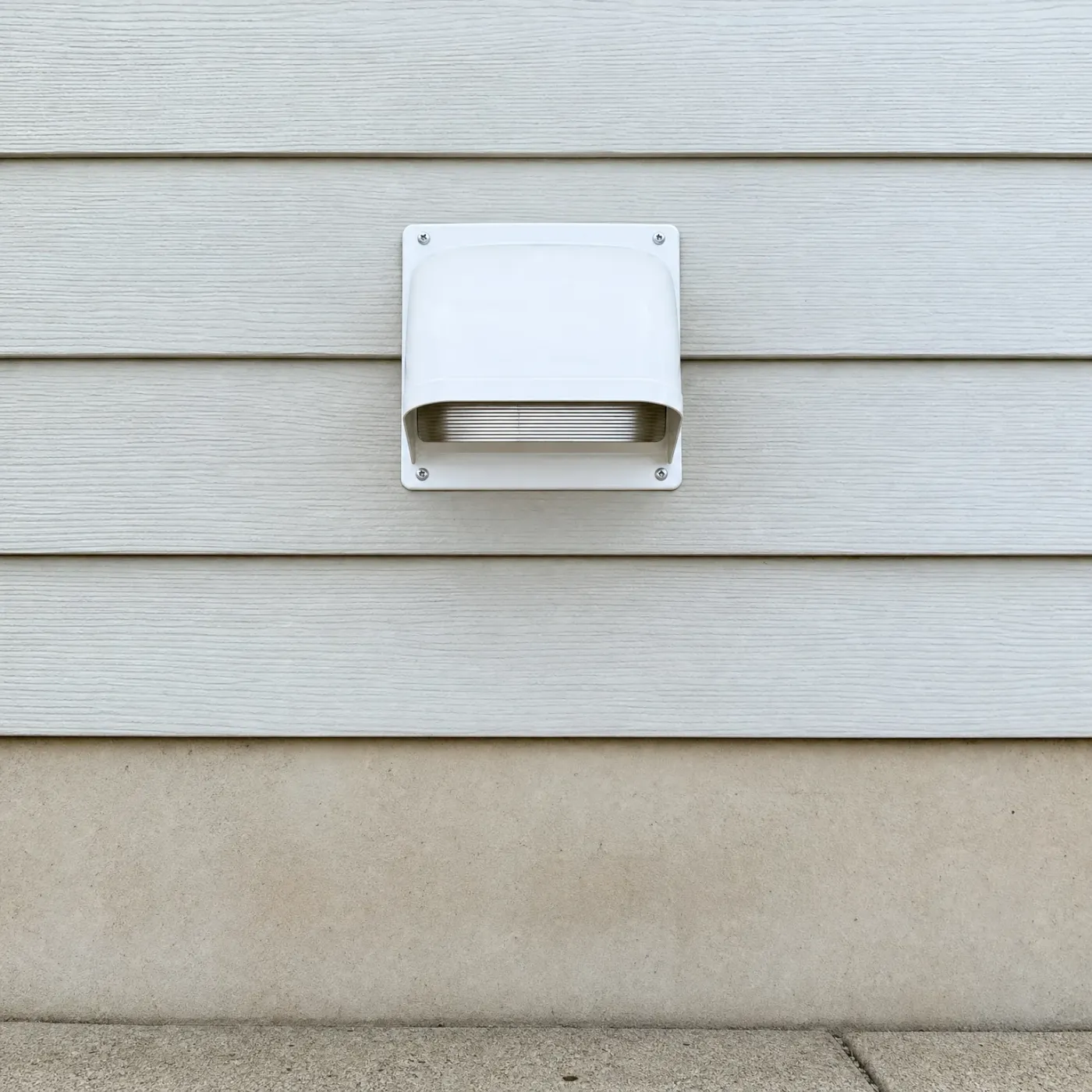
A white hooded dryer vent with a louvered opening mounted on light beige horizontal lap siding above a concrete foundation and sidewalk.

Venting the way it should

This is the cap doing its job. Mounted flush against the siding, screwed down, louvers open and clear. Warm air from the dryer pushes straight out whenever the machine runs, and nothing sits caught in the opening to slow it down.

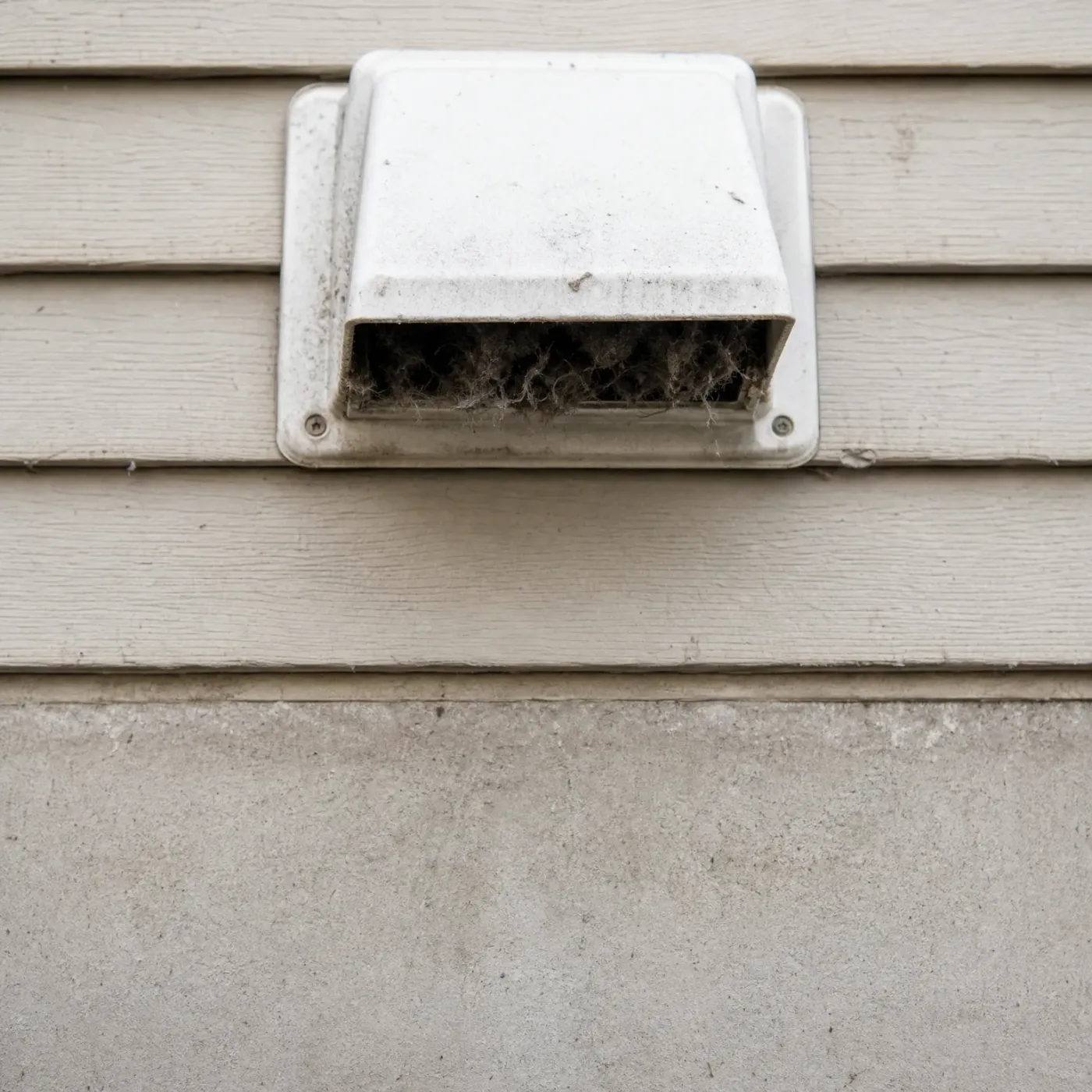
A white plastic dryer vent hood clogged with grey lint, mounted on beige horizontal lap siding above a concrete foundation wall.

Lint taking over the opening

This cap is choked with gray lint, built up until it covers the opening. Air has nowhere to go but back toward the dryer. Left alone, it packs in further down the duct where you can't see it or reach it with a vacuum from outside.

Why does my dryer take two cycles to dry now?

A load that used to come out dry in one cycle now needs a second run, or it comes out dry but hot to the touch on top and around the door. The laundry room holds heat longer after the dryer shuts off than it used to. You might catch a faint burnt dust smell when it's running, especially a few minutes in. These are signs air isn't moving out through the vent the way it should. Lint sitting in the duct is what's slowing it down, and a dryer working against that blockage runs hotter than it's built to. Left long enough, that heat has nowhere to go but back into the lint itself.

A white hooded dryer vent with a square mounting plate screwed onto light gray horizontal vinyl siding, above a gray stucco-textured lower wall.
Screwed down tight against the siding, louvers free to swing, nothing caught in the opening when the dryer kicks on.
A white plastic dryer vent hood mounted on light-colored horizontal lap siding, with lint caught in its lower opening and a green-stained foundation wall below.
Lint already pushing past the flap means the duct behind it is worse, and the dryer is working harder to push air through it.
A pile of brown and cream towels sits on top of a white dryer in a dim room, with a wooden wall cabinet and a bright window at right.

It's almost nine on a Tuesday and you're still in the laundry room because the towels from this morning aren't done. You pull them out and they're warm but not dry, heavy in your arms, and you drape them over the top of the dryer in a heap while you decide whether to run them again. The room feels muggy for January, the window fogged at the corner. You press a hand to the lid and it's warm too. Outside it's already dropped near freezing, the kind of Canyon County night where you'd rather not be standing here deciding on a third cycle instead of going to bed.

2.87 people per household on average

Close to three people in your house means close to three people's worth of towels, sheets and work clothes going through that one vent every week. More loads between cleanings is more lint sitting in the duct.

ACS 2020-2024

Most homes around Nampa need that vent cleaned once a year, maybe twice if the dryer runs most days or the duct run is long. You know by now whether yours is the once-a-year kind or the twice-a-year kind, and you know what a clean vent looks like against what you've got. What's left is finding someone who'll actually do it right, and that part is its own chore. Calling around for a contractor, explaining the same thing about the warm top and the slow drying three or four times over, waiting on quotes that don't line up with each other, trying to tell who's worth the call and who just answered the phone first. Sending the form here ends that part. You're not the one tracking down who's available or sorting through who sounds legitimate. Someone qualified to clean it gets handed what you've already figured out, and you're done hunting.

A single-story house with horizontal siding and large windows lit from within at dusk, beside a lawn, low path lights and a dark gravel driveway, with pine trees and a distant waterway under an orange and blue sky.

Dryer Vent Cleaning

Done looking for a dryer vent pro

Duct and vent cleaningCanyon County, ID
Step 1 of 3

What kind of equipment?

  • A gray upholstered sofa arm with a cream knit fringed throw sits beside a wooden side table holding a stack of books, a shallow wooden bowl, and a ceramic vase of leafy branches, on a wood floor near a window.
    • Get matched with a pro who works on dryer vents in Canyon County.
    • Your request goes to a Canyon County pro who takes dryer vent jobs.
  • A living room corner with a cream upholstered sofa and cushion beside a wooden side table holding a ceramic vase of olive branches and a small dark bowl, with a framed landscape painting on the gray wall and a linen curtain at the window.
    • Send the form and finding a dryer vent cleaner is handled.
    • One request and the dryer vent cleaning stops waiting on you.
  • A wood-framed armchair with a beige cushion and knitted throw sits beside a round wooden side table holding a ceramic mug, with a potted green plant near a window in the corner and a framed picture on the wall.
    • Explain the job once and skip repeating it on every call.
    • Skip searching for a dryer vent pro and answer a few questions instead.
  • Interior corner with beadboard wainscoting, a gray cabinet with wood countertop holding a vase of greenery below a window, and a potted leafy plant in a woven basket on a wood floor with a fringed jute rug.
    • The pro who gets in touch is licensed in Idaho and works in Canyon County.
    • A licensed pro who works in Canyon County gets your request.