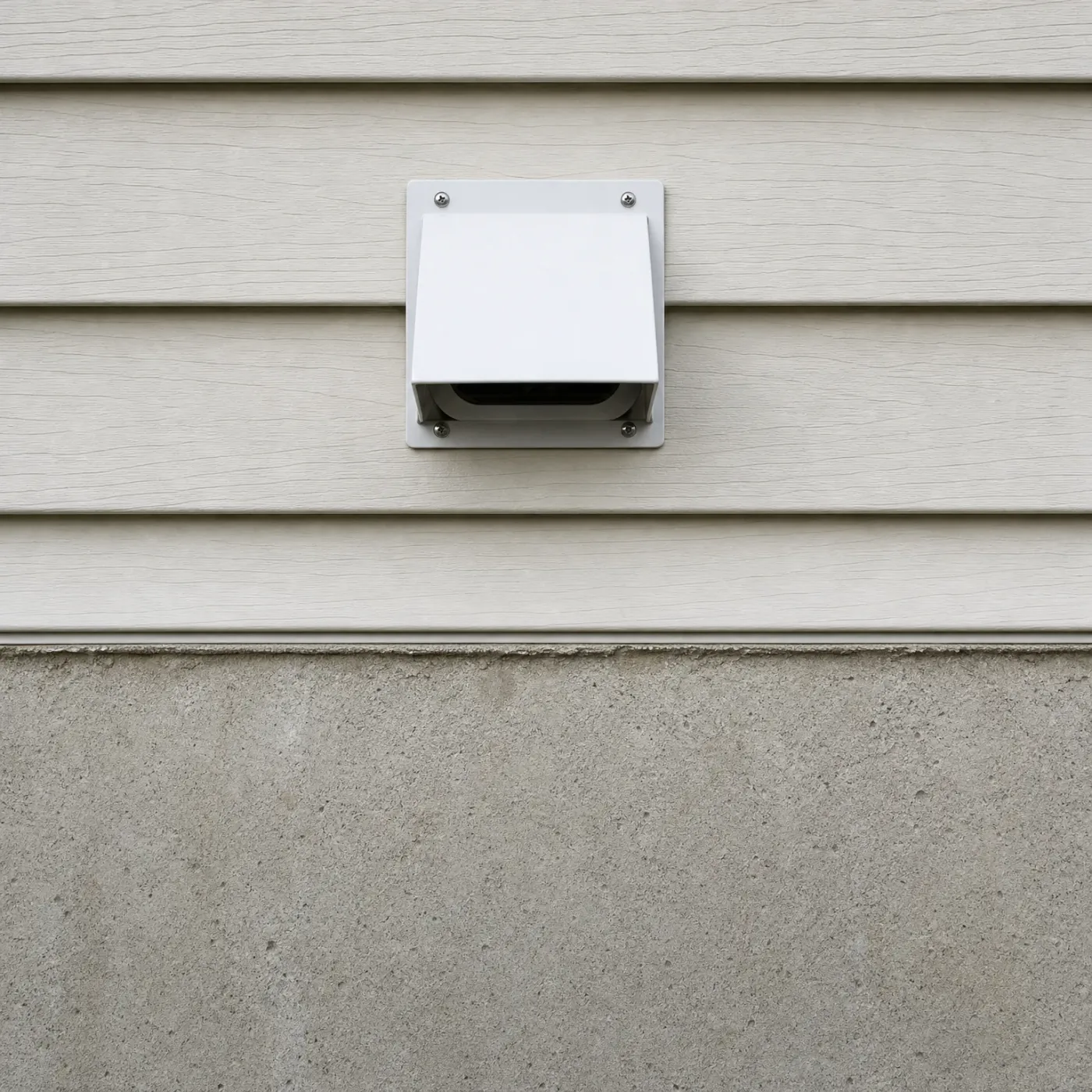
Vent clear and open
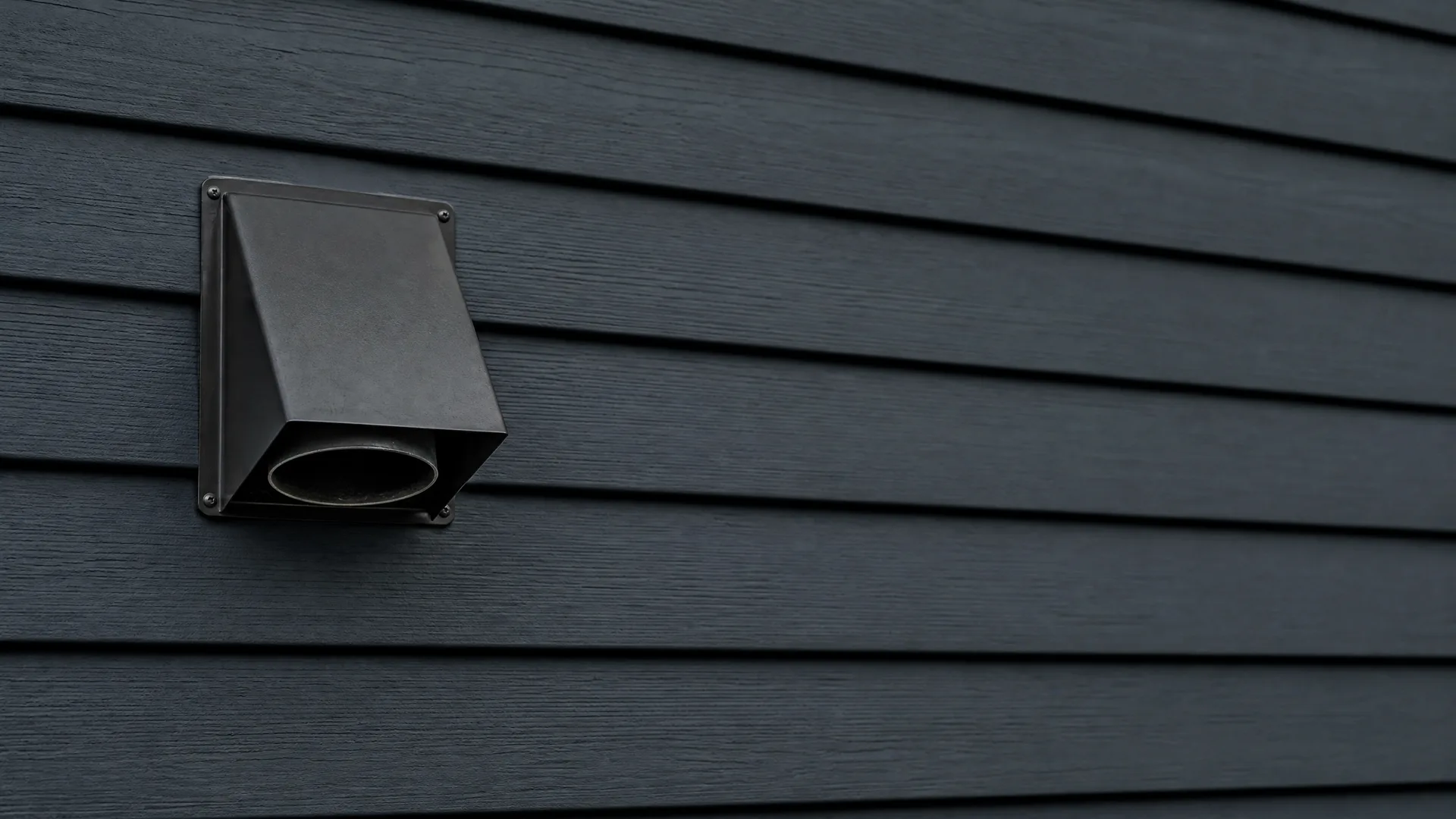
Air moves straight out through the louvers every time the dryer runs. No scratching, no debris caught in the screws or siding around it. A cap like this lets a full load finish in one cycle, the way it's supposed to.
Spring in Canyon County is nesting season, and a dryer vent hood is a good spot for a bird to raise a family. Once grass and twigs pack the duct, your dryer has nowhere to push the hot air it generates, and that's a problem you want someone to look at, not live with. A blocked vent means longer dry times and a dryer working harder than it should, and with a nest inside, it's not a job to clear with a vacuum from the outside. Send the form and the search ends there. You'll be matched with one licensed contractor working in the Nampa area, not a list of companies competing for your callback. Someone who clears vents all through the spring knows where birds get in and what it takes to get the airflow back and keep it from happening again. No more wondering who to call or whether they know this problem.
You keep seeing grass, twigs or feathers caught around your dryer vent hood, or you've heard chirping coming from the wall when the dryer isn't running. Spring is when birds in Canyon County look for a sheltered spot to build a nest, and a dryer vent hood looks a lot like a small cave to a house finch or a sparrow. Once you notice it, the question is what to do before it blocks your dryer completely.
The flap on your dryer vent hood swings open every time the dryer runs and closes when it's not, which makes the duct behind it dark, dry and out of the wind. That's exactly what a nesting bird looks for in March and April, and a vent that sits unused for a day or two between loads gives it enough quiet time to move in. Once nesting material packs the duct, the air your dryer pushes out has nowhere to go. That air carries moisture and lint, so a blocked vent means longer drying times, a dryer that runs hotter than it should, and lint building up with nowhere to escape. The nest and the duct both need clearing before the vent can work the way it's supposed to.
The vent hood flap gets pried open or stuck
A bird builds a nest just inside the duct
Twigs and grass block the duct's airflow path
Hot, damp air backs up into the dryer itself
2.87 people per household on average
Canyon County households run 2.87 people on average, so most homes here are doing laundry daily, not weekly, which means a blocked vent gets tested fast.
Half the homes here were built by 1999
Half the homes in Canyon County were built in 1999 or earlier, old enough that the vent run may be longer or bent in ways a nest blocks more completely.
Power here costs 11.78 cents per kilowatt-hour
Power here runs 11.78 cents per kilowatt-hour, cheap enough that a dryer working harder against a blocked vent won't show up on the bill right away.
ACS 2020-2024 · EIA-861 2025
You can see the vent hood from the ground in most houses, so it's tempting to pull the flap open and clear out what you can reach with a gloved hand or a shop vac hose. That gets you the nest material sitting right at the opening. It doesn't get you what's packed further back in the duct, and a nest built over a few weeks is usually more than a handful of twigs at the hood. If birds nested there once, the duct run itself may still be carrying debris you can't see or reach from outside, and running the dryer before that's out just pushes hot, damp air against the blockage again.
A full cleaning covers the whole run from the dryer to the outside hood, not just what's visible at the wall. That matters because nesting material packs toward the duct's bends and joints, where airflow slows down and twigs catch. A technician who does this work in Canyon County every spring knows that pattern and checks the hood's flap and screen while it's open, since a damaged flap is often what let the bird in to begin with. Once the run is clear, your dryer is venting the way it was built to, and you're not guessing whether something's still lodged where you can't see it.
With close to three people in most Canyon County households, that dryer is running most days of the week, not once in a while. A nest blocking the vent shows up fast as longer cycles or clothes still damp at the end, instead of sitting unnoticed for months.
ACS 2020-2024
A nest in the vent doesn't stay a vent problem. It shows up first in the laundry room, with a cycle that used to take an hour now taking two or three, and clothes coming out of the dryer warm but not actually dry. That's the duct telling you it can't push air anywhere. The air and moisture that should be going outside are backing up into the drum instead, and into the room around it. Behind that is the part worth worrying about: lint doesn't stop building up just because a nest is in the way, and dry grass and twigs packed in next to a heating element isn't something to leave alone through a whole season. With close to three people in a typical Canyon County household, this dryer isn't running once a week. It's running most days, so a clogged vent gets found fast, usually by a load that won't finish. Some homeowners also notice droppings or stray feathers worked back through the duct and onto the wall or floor behind the machine. And spring nesting doesn't always stop at one bird. If the first nest sits there through the season, there's nothing stopping a second one from moving in once the first has left, which means the same blockage builds up again before it's ever cleared out.


The pro who gets in touch is licensed in Idaho and works in Canyon County.
Send the form and finding a dryer vent cleaner is handled.
You only hire the pro if you want to.
You load the dryer, start it, and the cycle runs long. You check the clothes and the hems are still damp, so you run it again. The top of the dryer feels warmer than usual, or you catch a hot, musty smell coming off it partway through. Outside, the vent hood flap sits stuck open instead of swinging shut when the dryer's off. Some households hear faint chirping through the wall near the vent, especially in the morning. None of this fixes itself. A dryer that can't push its air outside keeps that heat and moisture somewhere, and with lint and nest material packed into the duct, that somewhere is sitting right next to a heat source.
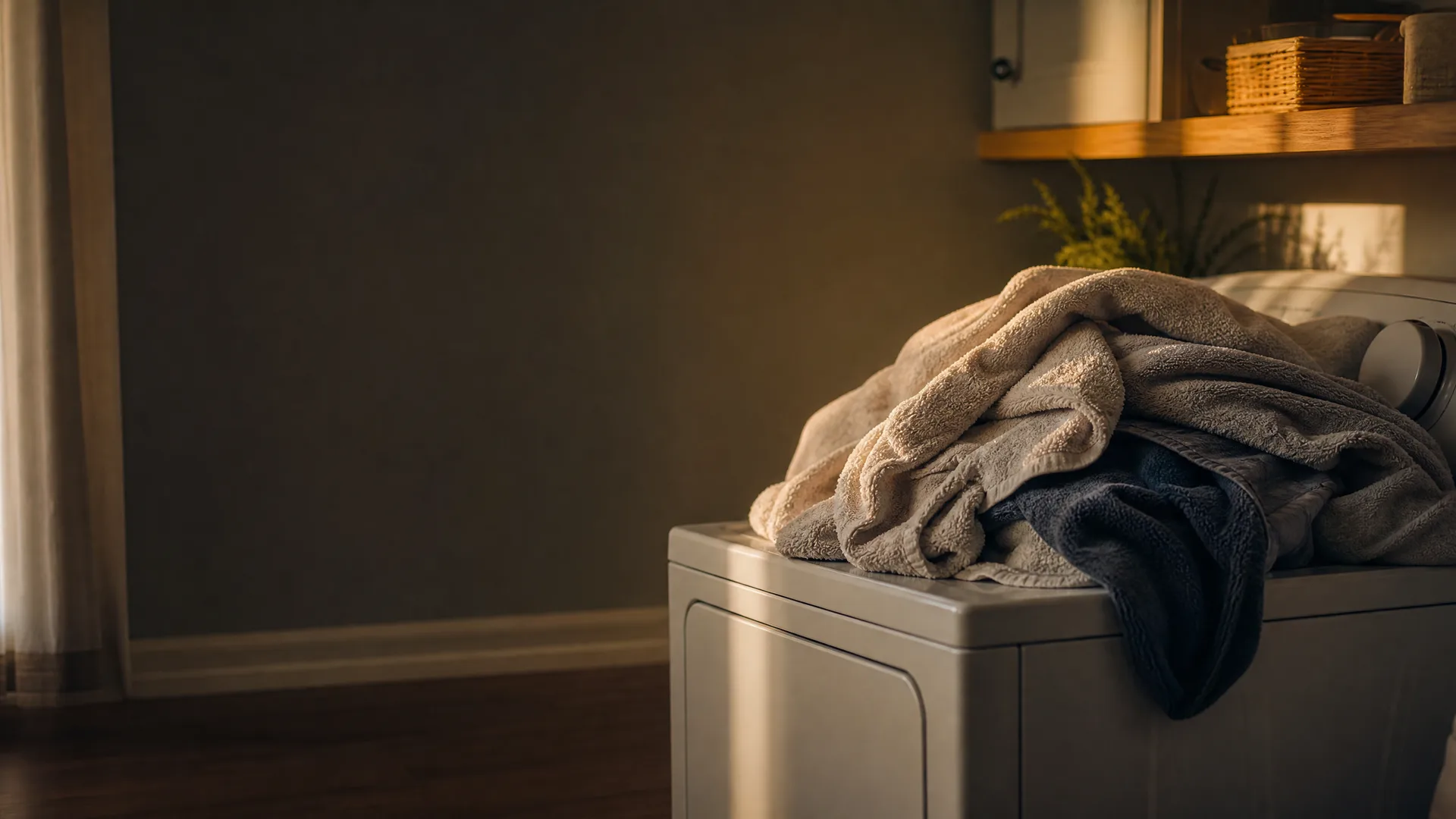
It's past eight and you've got work in the morning. You pull the towels out expecting them dry and they're not, not even close, so you bunch them back on top of the dryer and start the load again. The machine ticks on behind you, louder than it should be, and the air coming off the top feels warmer than it ever has. You stand there a second, towels piled up, listening to it run, wondering if it's worth waiting up for or if you should just leave them until tomorrow and hope they don't smell like mildew by morning.
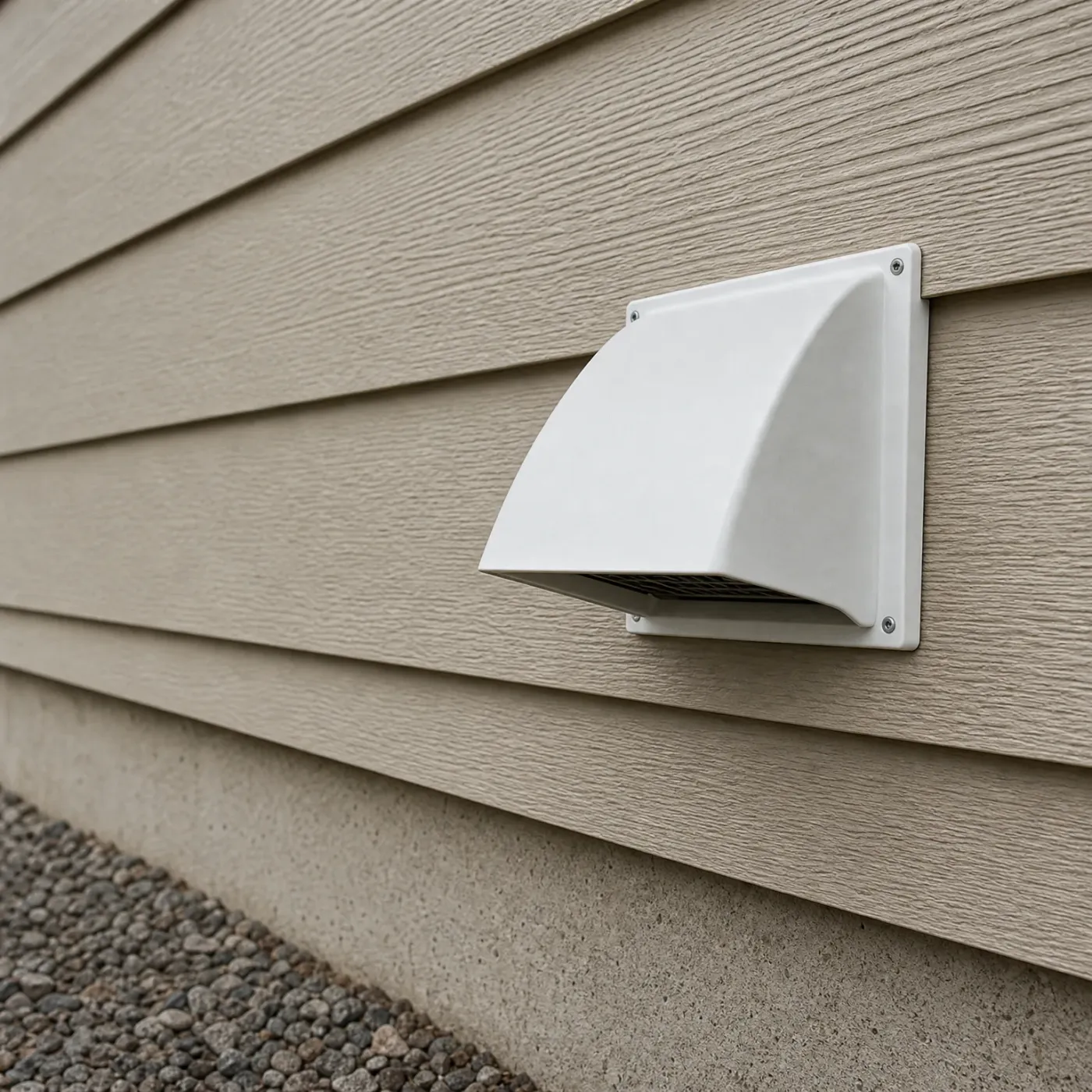
Air moves straight out through the louvers every time the dryer runs. No scratching, no debris caught in the screws or siding around it. A cap like this lets a full load finish in one cycle, the way it's supposed to.
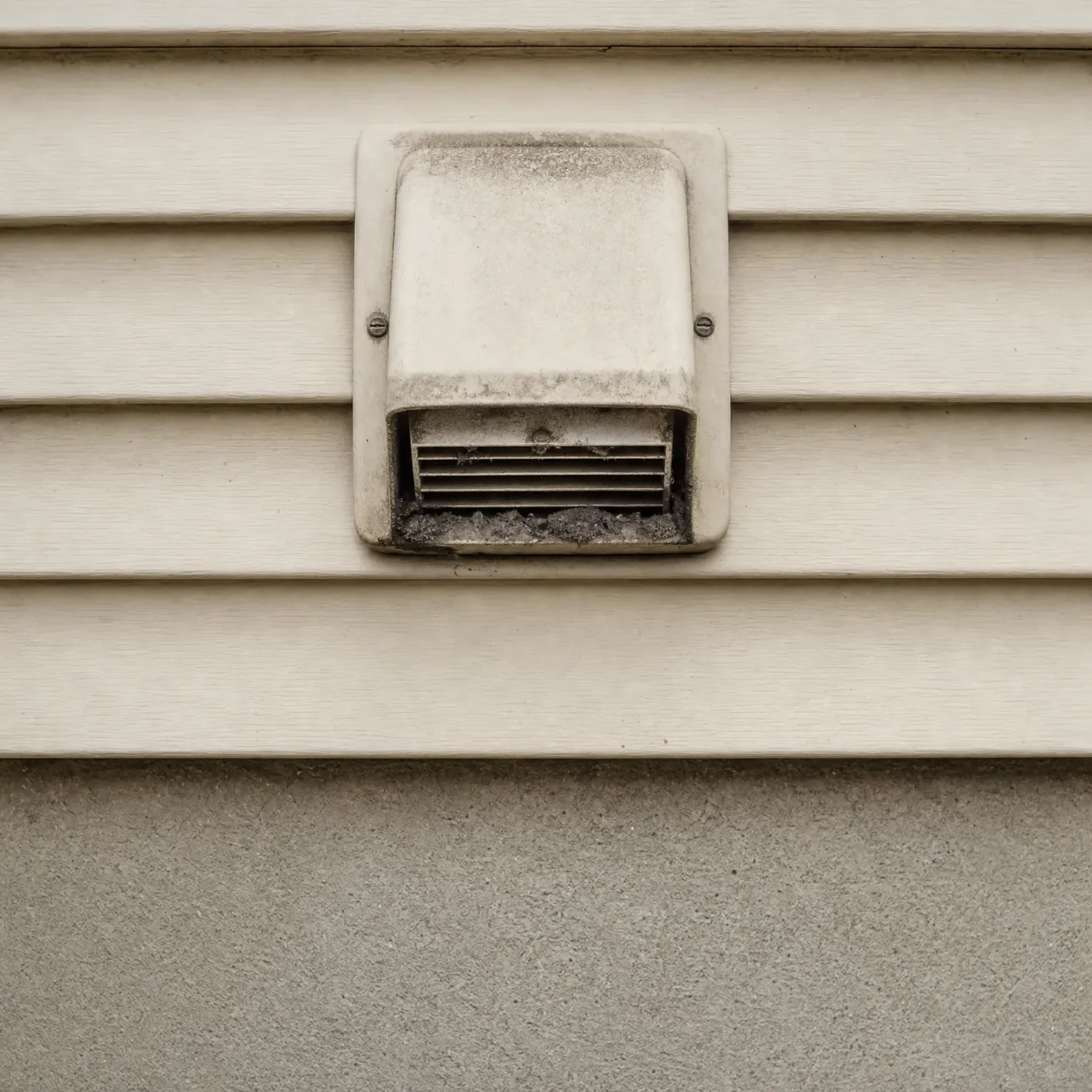
The louvers are clogged shut with lint and dust, and in spring that buildup often means grass and twigs packed behind it. Air can't push past the opening, so your dryer runs hot and long while damp air backs up into the duct.
A dryer vent with a bird nest in it needs the nest and the duct cleared so air can move the way it's built to move, and that's not a job for guesswork once there's airflow, lint and a heat source all tangled together behind your wall. Someone who clears vents around Canyon County every spring has seen what a season of nesting does to a duct, and knows the difference between pulling material out the easy way and clearing it back far enough that the dryer actually breathes again. You'll be matched with one licensed local contractor for this, not a handful of companies competing for your callback, so there's one name to expect and one visit to plan around. Your dryer told you something was wrong with the long cycles and the damp towels. The fix is the same one it's always been: open the vent back up, all the way through, so the air your dryer pushes has somewhere to go.
A licensed pro who works in Canyon County gets your request.