
HVAC Installation in Lewiston, ID
A new system here will heat from September through June and cool from July through August every year. Tell us about the house, and a licensed contractor who covers Nez Perce County will get in touch.
Tell us about the job
It takes about a minute.
A system sized for Lewiston's long heating season
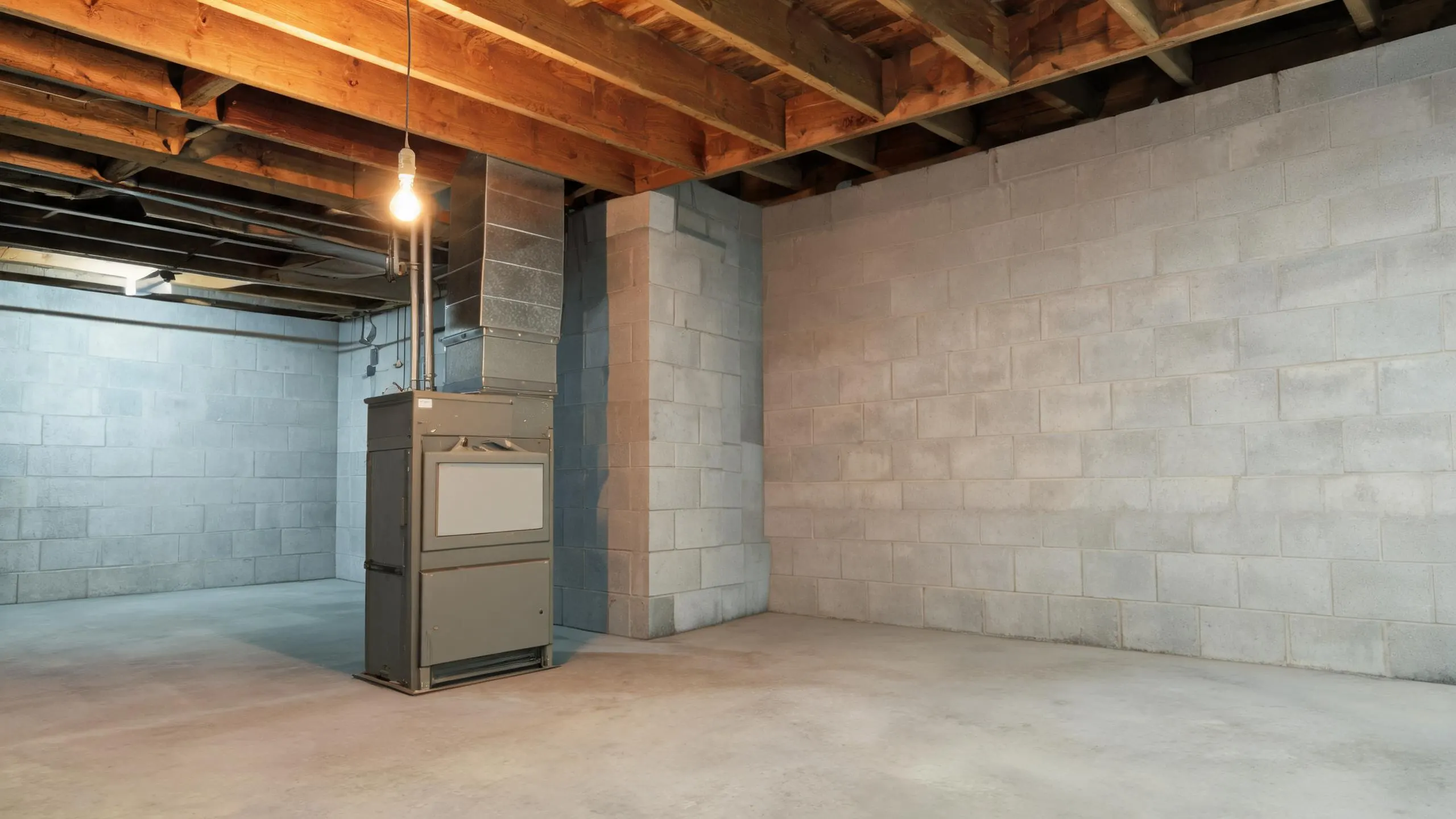
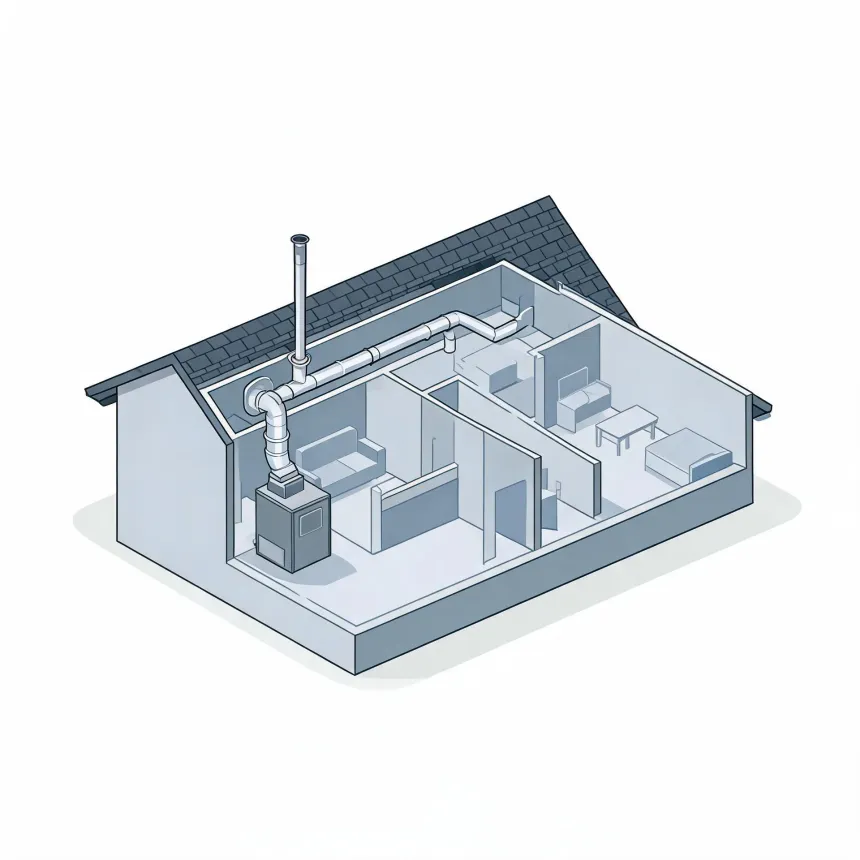
Nights here average 26°F from December through February, and most homes are calling for heat from September clear through June. That is ten months of work for a furnace, so it needs to be sized right from the start, not just swapped in to match the old one. Summers add their own demand, with afternoons averaging 82°F in July and August. A new system has to handle both ends without either one wearing it down early.
Just over half the homes here heat with gas, and whatever you install new has to meet the federal minimum efficiency rating for its type. Worth asking your contractor which unit clears that bar and by how much, since a system that runs this many months a year makes the difference add up. Idaho also saw 29 winter storms and 37 damaging wind events over the last ten years, and about 11 percent of households went at least a day without power in 2024. If your new system includes anything that needs power to restart, like a smart thermostat, ask how it comes back on after an outage.
- 10 months
- September through June, your system heats
- 2 months
- July through August, it cools
- 26°F
- the average winter night it heats against
- 82°F
- the average summer afternoon it cools against
NOAA nClimDiv, 1991–2020 normals
Idaho requires HVAC contractors to hold a state license.
The license is held by the contractor, not issued job by job. The state tested that contractor and keeps a record of them under the HVAC Board, and that record covers whoever shows up to do your installation, not just the business name on the invoice.
For a heating and cooling system install, the license is what stands behind the person doing the work, but it is not the only check on this job. In most cities and counties in Idaho, replacing a furnace, air conditioner or heat pump needs a permit from the local building office, and the work gets inspected once it is done. That inspection is separate from the license. It is the local check that the installation itself, not just the contractor's standing, was done right.
Sources: Idaho Legislature · Idaho Division of Occupational and Professional Licenses
- When should I replace my HVAC system?
- Replace it when it's breaking down more than once a season or when a contractor tells you repairs cost more than the system is worth. A furnace that fails in the middle of winter is a real problem here, since homes need heat from September through June. If yours is older and starting to need repairs more often, have a contractor look at it before it fails on one of the cold nights, when lows average 26°F.
- Should I replace my furnace and air conditioner at the same time?
- If they're close in age, yes, that's usually the better time to do it. A furnace and air conditioner installed together are matched to work as one system, and pairing an old unit with a new one can mean the new one never runs the way it should. It also means one installation and one inspection instead of two separate jobs later on. A contractor can look at the age and condition of both and tell you whether replacing them together makes sense for your house.
- What happens during an HVAC installation?
- A contractor removes the old furnace, air conditioner or heat pump and puts the new one in its place, then connects it to the ductwork, electrical, gas or refrigerant lines as needed. They check that the ducts and vents can handle the new equipment, set up the thermostat, and test the system to make sure it heats and cools properly. This work needs a permit from the local building office and an inspection once it's done. That inspection confirms the work was done safely and to code, so don't skip it.