
HVAC Repair in Idaho Falls, ID
If your system quits, tell us what it's doing and a licensed contractor who covers Bonneville County will get in touch.
Tell us about the job
It takes about a minute.

Ten months of heat and storms that knock out power
Your furnace runs September through June here, ten months of the year, and on winter nights that average 15°F it has to keep firing to keep the house warm. That kind of demand wears on the igniter, and when it starts to go you will notice the furnace trying to light and failing, or not lighting at all.
Summer afternoons average 77°F, mild enough that cooling is not what puts stress on the system here. The bigger risk is the weather itself. Bonneville County has logged 157 winter storms and 118 damaging wind events over the past ten years, and in 2024, 11 percent of Idaho households lost power for at least 24 hours. When the power comes back after an outage like that, the furnace should start on its own, and if it does not, that is worth having someone look at.
- 10 months
- September through June, your system heats
- 15°F
- the average winter night it heats against
- 77°F
- the average summer afternoon it cools against
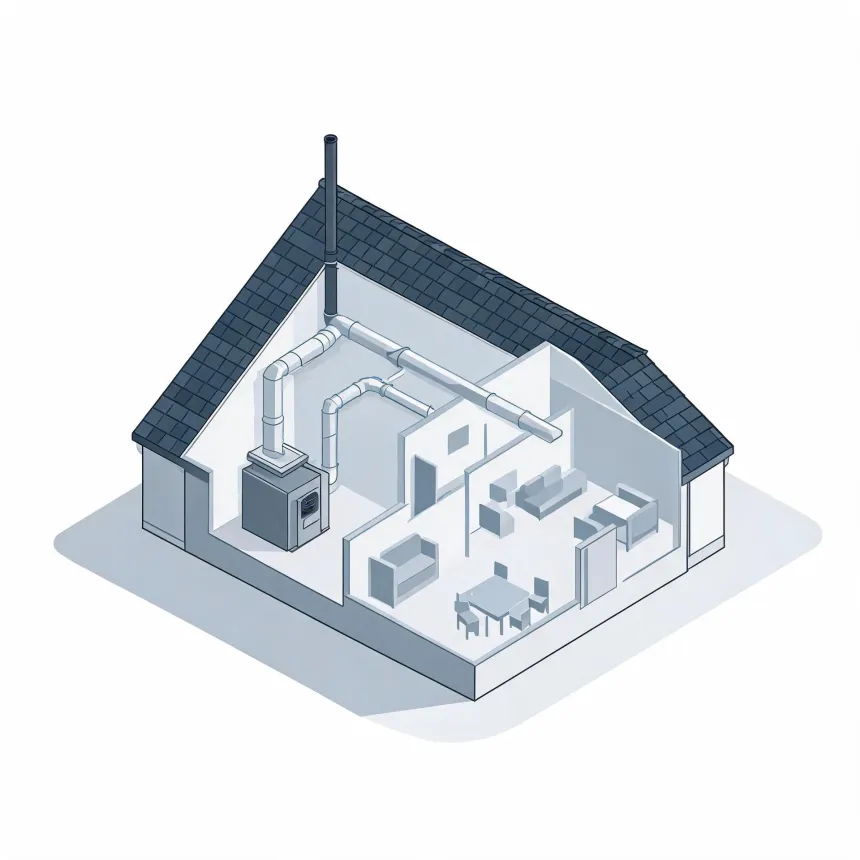
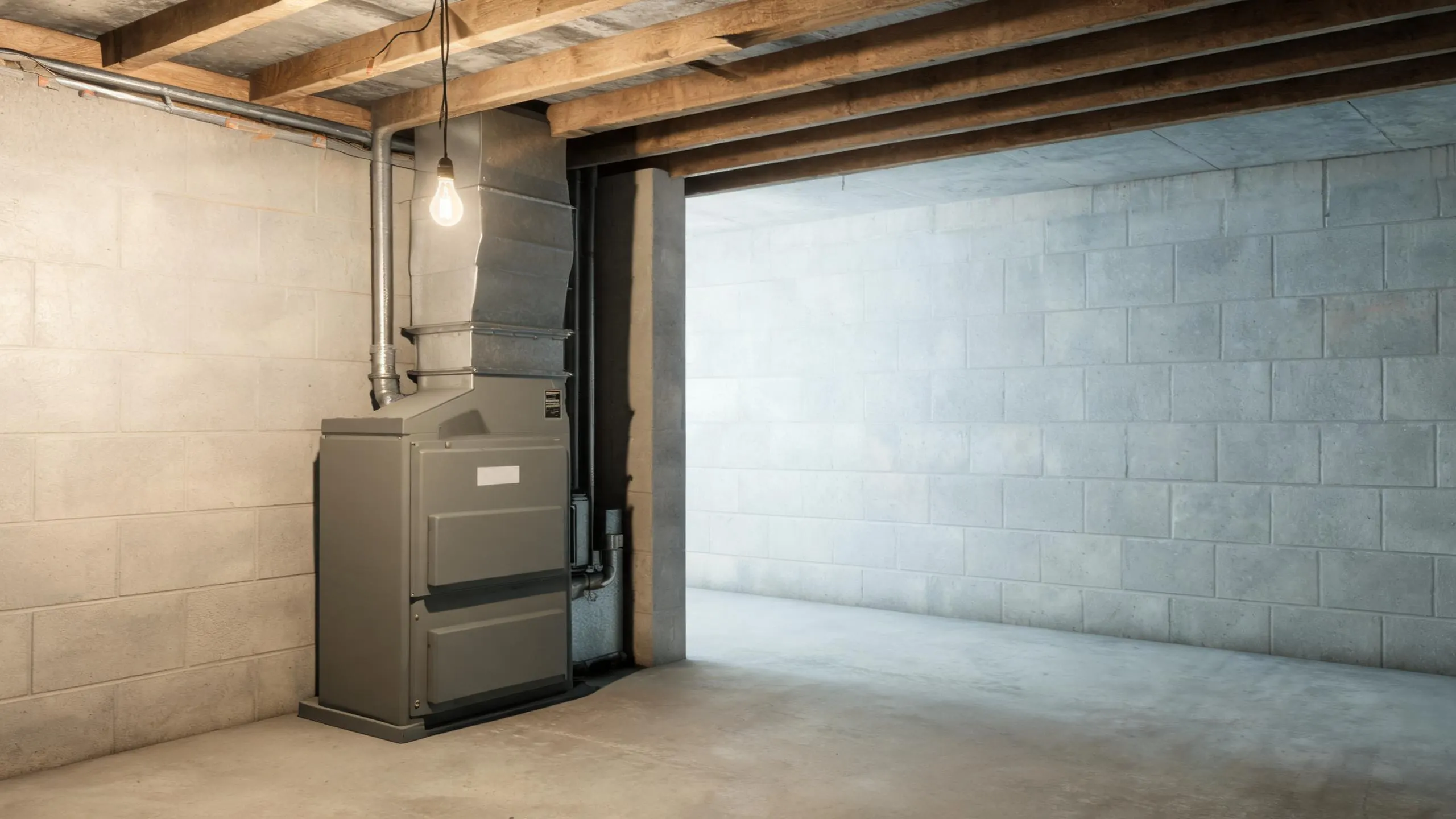
A new furnace and air conditioner would cut about $110 a year off heating and cooling for a typical Bonneville County home.
Estimates for a typical Bonneville County home, compared with an older unit built to the previous federal minimum, from EIA household energy data, Idaho fuel prices and NOAA climate normals. Your home will differ.
Repair makes sense when one part has failed.
Replacement makes sense when the furnace's heat exchanger is cracked, the air conditioner's compressor has failed, or repairs keep coming.
Idaho requires HVAC contractors to hold a state license.
The Idaho HVAC Board licenses the contractor, not the job. That means the person or company doing the work has been tested and recorded by the state, and the license carries across every job they take on rather than being issued fresh for your repair.
For a repair on your heating and cooling system, that state license is what stands behind the work here. It is the contractor's credential, backed by the Board that tested them, and it applies to this job because it applies to all of them.
Sources: Idaho Legislature · Idaho Division of Occupational and Professional Licenses
- Why is my heat not working?
- The most common cause is a furnace that will not ignite, and that usually traces back to the igniter, the flame sensor, or the pilot if you have an older unit. A dirty flame sensor is common enough that it is worth checking first, since it can read a flame as absent and shut the burner down as a safety measure. If the blower runs but no heat comes out, the igniter or gas valve is more likely the problem. With winter nights here averaging 15°F, a furnace that will not fire is not something to leave for later. A licensed contractor can tell you which part failed and get it fixed.
- Why is my system running but not cooling the house?
- If the blower is running but the air is not cold, the most likely cause is low refrigerant from a leak, a frozen evaporator coil, or a dirty condenser coil outside that cannot release heat. A frozen coil often comes from restricted airflow, so check the filter first since a clogged one is the easiest cause to rule out. If the filter is clean and the coil outside is covered in dirt or debris, clearing space around the unit can help. Beyond that, refrigerant work requires a licensed contractor, since it means finding and sealing a leak, not just adding more.
- What can I check before calling for HVAC repair?
- Start with the filter. A clogged filter restricts airflow and can cause a furnace to overheat and shut off or an air conditioner's coil to freeze. Next, check the thermostat has power and is set to heat or cool as needed, and check that the breaker for the system has not tripped. If you have a gas furnace, make sure the gas valve is turned on and, if it has a standing pilot, that the pilot light is lit. If those all check out and the system still is not working, the problem is inside the equipment and a licensed contractor will need to diagnose it.