
HVAC Repair in Blackfoot, ID
Homes here need heat from September through June and cooling from July through August. If your system quits, tell us what it's doing and a licensed contractor who covers Bingham County will get in touch.
Tell us about the job
It takes about a minute.
Ten months of heat, sixteen below outside
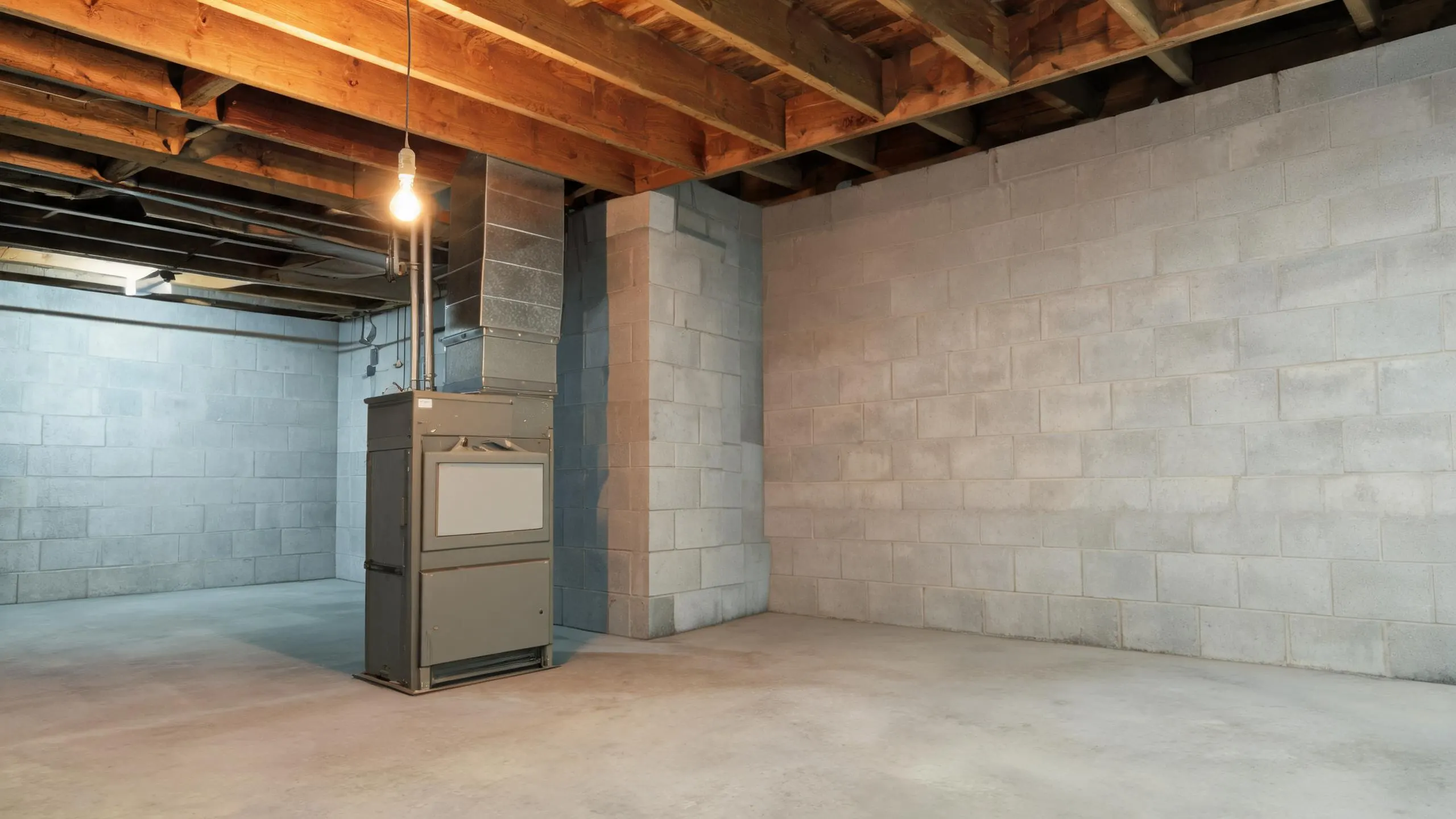
Your furnace in Blackfoot works from September through June. That is ten months a year of firing on and off, sometimes on nights that average 16°F. Every start puts a load on the igniter, and igniters that see this many cycles wear out and stop lighting the burner. When that happens the house goes cold and stays cold until it's replaced.
July and August bring afternoons near 81°F, so the air conditioner gets a short, hard season and then sits idle the rest of the year. A compressor that has been idle that long can struggle to start back up when the heat finally arrives. Idaho households lose power for a day or more often enough that it is worth knowing your system should come back on by itself once power returns. If it does not, the problem is in the system, not the outage.
- 10 months
- September through June, your system heats
- 2 months
- July through August, it cools
- 16°F
- the average winter night it heats against
- 81°F
- the average summer afternoon it cools against
NOAA nClimDiv, 1991–2020 normals

A new furnace and air conditioner would cut about $100 a year off heating and cooling for a typical Bingham County home.
Estimates for a typical Bingham County home, compared with an older unit built to the previous federal minimum, from EIA household energy data, Idaho fuel prices and NOAA climate normals. Your home will differ.
Repair makes sense when one part has failed.
Replacement makes sense when the furnace's heat exchanger is cracked, the air conditioner's compressor has failed, or repairs keep coming.
Idaho requires HVAC contractors to hold a state license.
Idaho licenses HVAC contractors through the state HVAC Board. The license belongs to the contractor, not to any single job, so it covers the business doing the work rather than certifying each repair on its own.
For a repair on your heating and cooling system, that license is what stands behind the person or company doing the work. The state issued it to them, and it is the state's record of who they are.
Sources: Idaho Legislature · Idaho Division of Occupational and Professional Licenses
- Why is my heat not working?
- Most often it comes down to power, gas, or airflow. Check that the thermostat is set to heat and the temperature is above room temperature, then check the breaker for the furnace. If it has a pilot light, see whether it is lit, and if it uses an igniter, listen for the furnace trying to start and shutting off again. A furnace that tries to fire and stops is usually reading a safety switch that a contractor needs to test, and with winter lows here averaging 16°F, that is not something to leave overnight.
- Why is my system running but not cooling the house?
- The system is moving air, but something is stopping it from moving heat out of the house. Start with the filter. A filter clogged with dust blocks airflow across the coil, and that coil can ice over, so the air coming out feels warm even though the system is running. Check the outdoor unit too. If the fan isn't spinning or the coil is covered in debris, it cannot release the heat it's pulled from inside. If the filter is clean and the outdoor unit looks fine, the system likely needs refrigerant checked or a part tested, and that calls for a contractor with gauges.
- What can I check before calling for HVAC repair?
- A few things rule out the easy causes. Check the thermostat is set correctly and has working batteries. Check the breaker box for a tripped breaker. Check the filter and replace it if it's gray or clogged, since a blocked filter causes both heating and cooling problems. If the outdoor unit is covered in leaves or ice, clear it. If none of that changes anything, the problem is inside the equipment, and a licensed contractor needs to diagnose it. Idaho requires HVAC contractors to hold a state license through the HVAC Board, so ask for that license number before work starts.