
Signs of a clogged dryer vent in Twin Falls, ID
Skip the searchA dryer that runs hot to the touch, takes two or three cycles to dry a normal load, or leaves clothes smelling like hot lint is telling you something about the vent, not the machine. In Twin Falls, with dry air most of the year, lint builds up fast, and a clogged vent can turn into a house fire risk. Once you notice the signs, the next step is finding someone who actually clears vents for a living, not just a general handyman. That usually means searching around, calling a few companies, explaining the same problem more than once, then weighing quotes that are hard to compare. Tell us what you're seeing and you skip all of that. You'll hear from one licensed local contractor who works on vents like yours all year and knows what a clogged line in this area usually looks like, not a handful of companies competing for your callback.
A clogged dryer vent shows up before it fails outright. Clothes come out hot but still damp, the top of the dryer feels warm to the touch, and the outside vent hood barely moves its flap when the dryer runs, if it moves at all. Lint sneaks past the trap and settles in the duct, and with Twin Falls air running dry most of the year, that lint packs in tighter and faster than it would somewhere damp. A full duct forces the dryer to work longer and hotter to push air through, so a load that used to take forty minutes stretches to an hour or more. You might also notice the laundry room getting warmer than usual, or a faint burnt smell when the dryer's been running a while. None of that means the dryer is wearing out. It means the vent isn't moving air the way it should, and the longer that goes on, the harder the dryer has to work to do the same job.
Why does your dryer vent clog faster than you'd expect?
2.65 people per household on average
With 2.65 people in the average Twin Falls County household, the dryer runs most days of the week, and every load pushes more lint toward the vent.
Half the homes here were built by 1982
Half the homes in Twin Falls County were built in 1982 or earlier, and a vent run that old has had decades to pick up bends, sags, and crushed spots where lint catches.
Power here costs 11.78 cents per kilowatt-hour
At 11.78 cents per kilowatt-hour, power here is cheap, but a clogged vent still makes the dryer run longer and heat harder to push the same load dry.
ACS 2020-2024 · EIA-861 2025
How the clog actually forms
- Lint builds in layers along the duct wall first, narrowing the path before airflow drops enough to notice.
- A rigid metal duct clogs slower than the white vinyl or foil kind still found in some older Twin Falls homes.
- The dryer's thermal fuse is built to blow when airflow drops too low, cutting heat before the motor overheats.
- Every elbow or turn in the duct run gives lint a ledge to catch on, so a vent with several bends clogs faster than a straight shot outside.
- The outside hood flap should swing open wide when the dryer runs; a flap that barely lifts means the blockage is already most of the way through the line.
- Lint that collects right at the exterior hood is often the easiest sign to check without opening up any ductwork.
Lint does not wait until the end of the duct to cause trouble. It collects in layers along the inside wall of the duct, the same way it collects in the trap, and each layer narrows the path a little more before you notice any change in how the dryer runs. The kind of duct matters here. Rigid metal duct gives lint less to grab onto, while the white vinyl or foil duct still installed in some older Twin Falls homes has ridges that catch lint and slow it down, so those ducts clog faster over the same number of loads. Every elbow in the run adds another ledge. A vent that goes straight out through the wall clears itself better than one that bends twice to get around a stud or a water heater, so the layout inside your walls affects how often this becomes a problem. The dryer has a built-in response to all this. A thermal fuse is designed to blow once airflow drops low enough that heat can't escape properly, which protects the motor but also means a tripped fuse is often the first real sign something upstream is blocked. Outside, the hood flap tells you where things stand without opening anything up. It should swing open wide while the dryer runs. If it barely lifts, or lint has built up right at the hood itself, the blockage has likely worked its way through most of the line already.




Catching it early
If you catch a clogged vent at the warm-dryer, damp-clothes stage, a cleaning clears it and airflow goes back to normal. The duct gets swept out from the wall to the hood, the vent hood flap opens all the way again, and a full load dries in one cycle like it should. This is the cheap outcome. It takes one visit, and nothing on the dryer itself has been damaged by the months of restricted airflow. Most homeowners who call when they first notice the smell or the extra cycle are in this group. The dryer still works fine. It just needed a clear path for the air it's already pushing.
Waiting it out
Wait longer and the same clog costs more than a cleaning. Lint packed tight against a restricted vent raises the air temperature inside the dryer, and that heat is what wears out a thermal fuse or a heating element well before it should fail. At that point you're paying for a part and the labor to replace it, on top of the vent cleaning that was needed anyway. In the worst case, built-up lint against a hot surface in the duct is a fire risk, which is the reason this particular repair doesn't get safer by putting it off. The vent doesn't fix itself between now and whenever the dryer finally shows a bigger problem.


No calling every shop in Twin Falls County

The pro who gets in touch is licensed in Idaho and works in Twin Falls County.
There's no charge for the request.
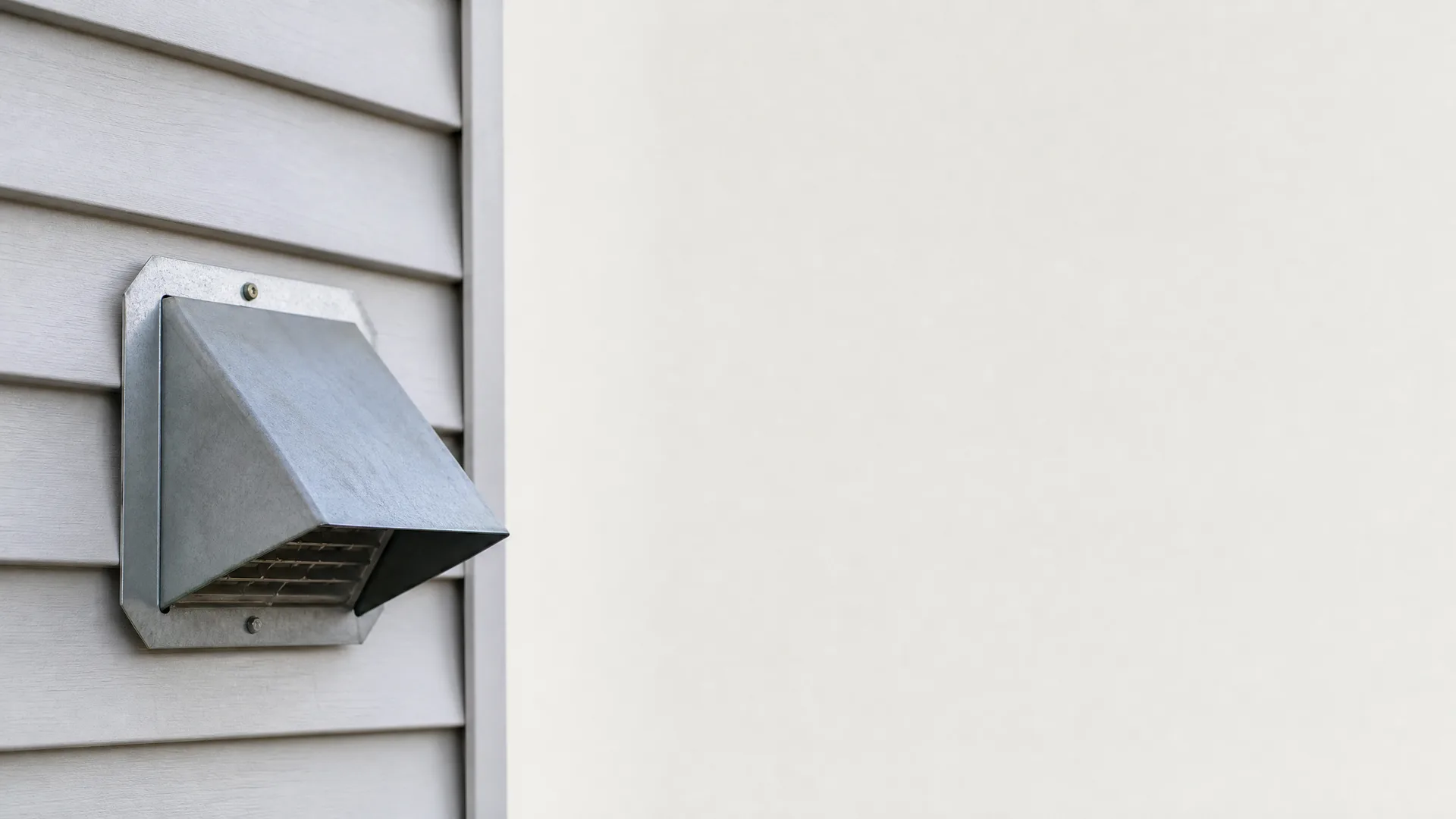
How lint actually blocks a duct
A dryer pushes warm, moist air down the duct, and lint rides along with it. Straight runs carry it out fine. But every elbow in the line gives lint a surface to catch on, and once a little catches, more builds on top of it. A duct with two or three bends clogs faster than a short straight shot to the wall, no matter how often the trap gets cleaned.
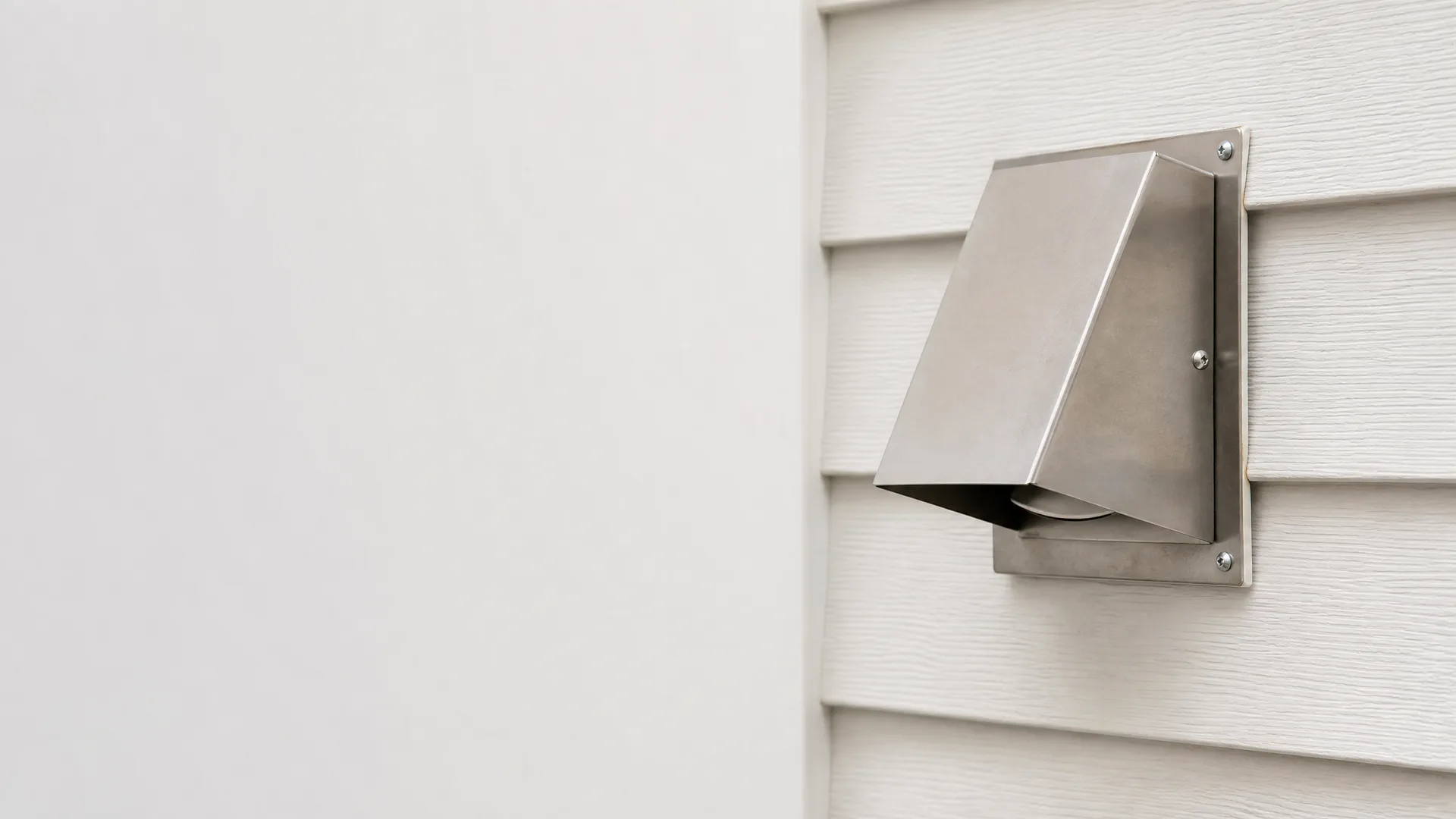
What the vent hood tells you
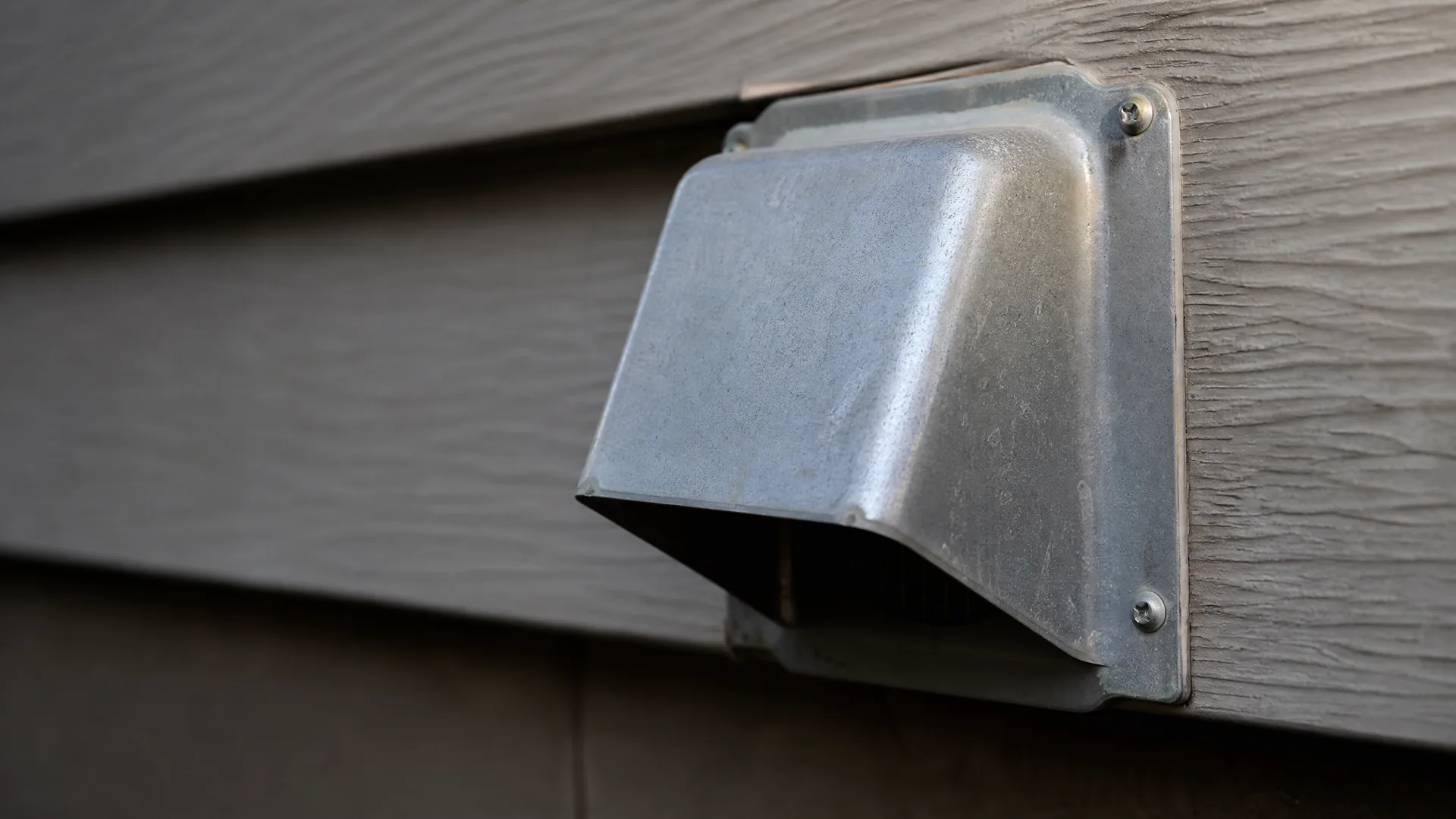
Walk outside while the dryer runs and watch the vent hood. It should push its flap open and hold it there, with warm air you can feel from a few feet away. A flap that barely lifts, or air that just dribbles out, means something between the dryer and the hood is holding lint back. That hood is the only outside check you have without pulling the duct apart.
How can you tell if it's the vent and not just the dryer?
A dryer acting up could mean a broken part inside the machine, or it could mean the vent behind it is choked with lint. Before you pay for a repair call on the dryer itself, there's a way to narrow it down. The clues are different depending on which one is actually failing.
Check the outside vent hood while the dryer runs a load
Walk outside while the dryer is running and look at the vent hood on the wall. The flap should swing open and you should feel steady warm air coming out. If the flap barely lifts, or the airflow feels weak, the duct is restricted somewhere between the dryer and that hood. A dryer problem shows up differently: the drum might not turn, the dryer might not heat at all, or it shuts off partway through a cycle. A vent problem still runs and still heats, it just can't push the moist air out, so the heat and moisture stay in the drum and the clothes come out damp no matter how long the cycle runs.
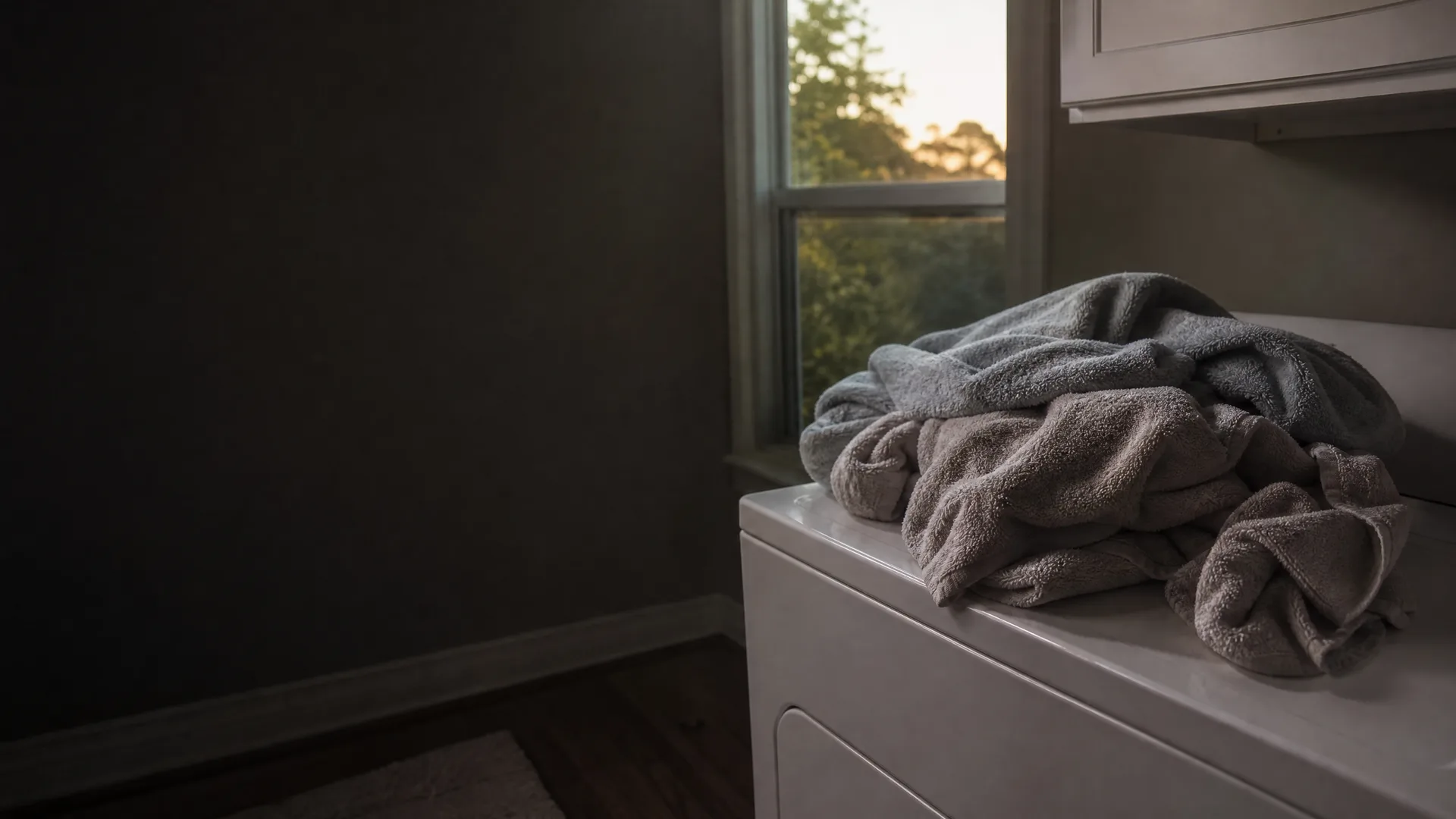
It's almost nine on a Tuesday and you're still in the laundry room. The second cycle ended twenty minutes ago and the towels on top of the dryer are still damp enough to feel cold where they bunch up. You press a hand flat against the lid and it's warm, warmer than it should be. Outside, the evening's cooled off fast the way it does here once the sun drops, but in here the air feels close, a little thick with the smell of hot lint. You start a third cycle and lean against the washer next to it, waiting, because tomorrow's a workday and these towels need to be dry tonight.
Is your dryer taking longer than it used to?
You notice it in small ways first. A load that used to finish in forty minutes now needs an hour, or a second run. The laundry room gets warmer than it should, and the air in there smells like hot dust. Clothes come out of the dryer wrinkled and hot but not fully dry, especially heavier items like towels or jeans. If you check the outside vent hood while the dryer runs, the flap barely lifts. Lint turns up in places it shouldn't, like around the dryer's door seal or on the floor behind the machine. Left alone, a blocked vent makes the dryer work harder on every load, and it holds heat and moist lint inside the duct that has nowhere to go.
Lint sheds off every load and rides the exhaust air.
The trap catches most of it, but not all.
What slips past travels down the duct toward the hood.
Lint snags at elbows and seams, building up in layers.
2.65 people per household on average
At 2.65 people, most Twin Falls County households run a load most days, not once a week. That's more lint shed, more often, moving down the same duct. A vent serving a house like that needs a look sooner than the calendar might suggest.
ACS 2020-2024



A warm dryer and a damp load mean the vent needs a look
A dryer that runs hot, takes two cycles, or leaves clothes smelling like hot lint is pointing at the vent behind it, not the machine itself. That's the whole answer. Catch it at that stage and a cleaning sets the airflow right again, the vent hood flap opens the way it should, and your dryer goes back to drying a load in one run.
Finding someone to look at it is its own chore, calling a few places, explaining the same thing on the phone twice, waiting to see which quote makes sense. This page connects you with a licensed Twin Falls contractor who works on vents like yours all year and knows what a few decades of Twin Falls lint buildup looks like. One call, one visit, no sorting through strangers.

Explain it one time