





How often to clean a dryer vent in Twin Falls, ID

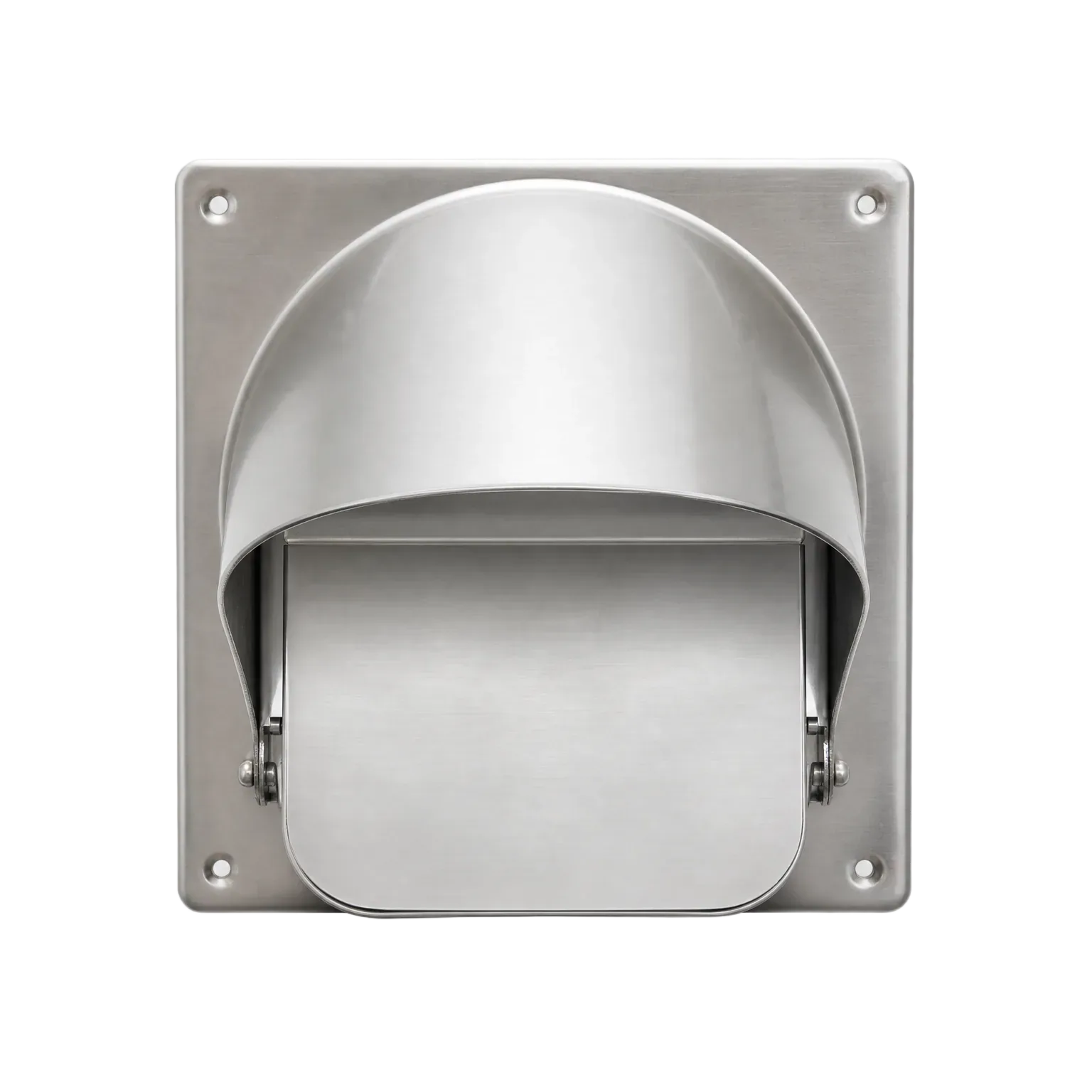
A stainless steel square wall vent with a curved hood and a hinged flap damper, shown straight on against a plain gray background.
Get my match

How often should I clean my dryer vent in Twin Falls?

You run a load of laundry and notice it's taking longer to dry, or the top of the dryer feels hot to the touch. Lint builds up slowly, so it's easy to put off checking the vent until something seems off. With Twin Falls summers running hot and dry, a lot of homes here run the dryer more than people expect, between laundry and towels from yard work and irrigation season.

Clean your dryer vent once a year

Once a year keeps lint from building up enough to block airflow. Lint collects inside the vent pipe every time you run a load, not just in the trap, and a clogged vent makes the dryer work harder and run longer to dry the same load. In a house that runs the dryer often, that buildup adds up faster. If your dryer is taking two cycles to dry what used to take one, or the outside vent hood flap barely opens when the dryer runs, don't wait for the year mark. Have it checked sooner. A vent that's actually clear year to year can sometimes go longer between cleanings, but once a year is the safe baseline for most homes in Twin Falls County.

A metal hooded exterior vent with a screened opening mounted on gray horizontal lap siding, with a plain white wall at right.

Why lint builds up fast here

Dry air pulls moisture out of clothes quickly, but that same dry air makes lint brittle and loose, and it shakes free with every load. Twin Falls summers run hot and dry for months at a stretch, so a vent here can collect more lint between cleanings than one in a damp climate would. The dryer still has to push that lint-laden air outside through the hood, and a duct narrowed by buildup forces the motor and heating element to work harder on every cycle, gas or electric.

A white plastic hooded dryer vent cover screwed to light gray horizontal lap siding at an exterior wall corner.

What a blocked vent costs you

A dryer vent clogged with lint traps heat inside the drum and the cabinet instead of letting it vent outside, and that heat has nowhere to go but back through the machine. Power is cheap in this part of Idaho, so the extra electricity or gas a struggling dryer burns through isn't the main concern. The bigger risk is the lint itself. It's the most common material to catch fire in a clothes dryer, and a vent that hasn't been cleared in a while holds more of it, sitting right next to a heating element that can run over 100 degrees.

Is your dryer trying to tell you something?

A towel or a pair of jeans that used to dry in one cycle now needs two. The laundry room feels warmer than it should, or you catch a faint burnt smell partway through a load. The outside vent hood barely puffs air when the dryer's running, or you see lint sitting around its edges. Any one of these means airflow is being choked off somewhere between the drum and the outside wall. A dryer that can't push air out has to work harder to dry anything, and the heat that should be leaving your house is building up inside the vent instead. Left alone, that trapped heat is how lint fires start.

A woman in a cream turtleneck sweater stands beside a multi-pane window looking out at falling snow, with a dimly lit living room containing a lamp, sofa and shelves behind her.
A woman in a beige turtleneck sweater stands by a large window with snow-covered trees outside, in a living room with a lit lamp, sofa with cushions, and a wood stove with visible flames.
A woman with long dark hair in a beige knit turtleneck sweater stands beside a window with snow outside, looking off to the side, with a warmly lit living room containing a sofa, lamps and a coffee table behind her.
A woman with shoulder-length brown hair in a beige knit sweater stands near a window looking outside at falling snow and snow-covered evergreens, with a dimly lit living room, sofa, lamp, bookshelf and framed landscape painting behind her.

What does your household mean for your vent?

  • 2.65 people per household on average

    The average home in Twin Falls County has 2.65 people in it, which means more loads of laundry a week and more lint moving through the vent than a one or two person household.

  • Half the homes here were built by 1982

    Half the homes in Twin Falls County were built in 1982 or earlier, per county records, so a lot of the ductwork here is old enough that it may have been patched, resized, or never cleaned at all.

  • Power here costs 11.78 cents per kilowatt-hour

    Electricity here runs 11.78 cents per kilowatt-hour, cheap compared to most places, so a vent that forces your dryer to run longer cycles still costs you less than it would somewhere else.

ACS 2020-2024 · EIA-861 2025

You clean it on a schedule

You set a yearly reminder and have the vent cleaned whether or not anything seems wrong. The dryer keeps running at full strength, loads dry in one cycle, and lint never gets the chance to pack down in the duct where you can't see it. You're not guessing based on how a load felt or whether you noticed a smell. A vent that's never let to build up stays easy to clear, since loose lint near the hood comes out faster than lint that's sat through a few dry Twin Falls summers and packed tight against the duct wall.


You wait for the signs

You skip the yearly cleaning and watch for clothes taking longer to dry or the dryer running hotter than usual. This works until it doesn't. By the time you notice, lint has usually built up past the first few feet of duct, and what would've been a quick clean is now a fuller job. In Twin Falls' dry air, lint sheds fast and keeps collecting whether you're watching for it or not, so the gap between 'seems fine' and 'vent is restricted' can close faster than you'd expect.

2.65 people per household on average

At close to three people in the house, laundry runs often, which means more loads pushing lint through the same vent week after week. That adds up faster than it would in a smaller household, so the vent is worth checking on a regular schedule rather than waiting for a sign.

ACS 2020-2024

A white hooded dryer vent with a louvered grille screwed to beige horizontal lap siding above a lighter foundation wall.
A vent working the way it should pushes the air straight out, so the hood flap lifts and lint doesn't get the chance to settle.
A wall-mounted plastic dryer vent hood on light-colored horizontal vinyl siding, clogged with lint and debris hanging from its opening, above a gray painted foundation.
Once lint packs the hood like this, air backs up into the duct instead of leaving the house, and the dryer runs longer to do the same job.
A man with graying hair and a beard in a plaid flannel shirt stands indoors looking out a frosted window at snow-covered trees, with a ceramic mug on the sill.
A smiling man with short dark curly hair and stubble, wearing a navy T-shirt, sits on a beige sofa looking down toward a dark object in the foreground, with a living room, round mirror, lamp and bright window behind him.

Get your dryer vent to the right pro

The pro who gets in touch is licensed in Idaho and works in Twin Falls County.

It costs nothing to send, and you don't have to hire anyone.

A rigid metal duct run gives lint less to grab onto, so with yearly cleaning it tends to stay clear longer between visits.

A long run with several turns, or any section of flexible duct, slows the air down and gives lint more places to settle, so it's worth checking sooner than once a year.

A white plastic hooded dryer vent with a louvered grille mounted on horizontal vinyl siding above a textured concrete foundation wall.
Before you get your dryer vent cleaning
A white plastic hooded dryer vent with a mesh screen, fastened by four screws to beige horizontal lap siding above a concrete foundation wall.
After you get your dryer vent cleaning
  1. Lint collects on the drum screen first, then the finer dust slips past it

  2. Airflow carries that dust down the duct toward the outside hood

  3. Bends and long runs slow the air and give dust a place to settle

  4. A buildup at the hood flap blocks the flap from opening fully

A woman in a cream sweater and jeans stands in an open black front door of a white stucco house, viewed over the shoulder of a man in a navy jacket in the foreground.

What a clogged vent costs you at home

A dryer fighting a blocked vent still finishes the load. It just takes longer, and it runs hotter the whole time to get there. That extra heat passes through the same drum and belt and heating element every cycle, and over enough loads it wears on parts that were built to run at a normal temperature. Your gas bill or your power bill moves too, even though power here is cheap, because a dryer working harder to push air through a packed vent still pulls the same gas or electricity to do it.

There's a safety side to it as well. Lint is what feeds a dryer fire, and a blocked vent is exactly where it piles up fastest. You don't need to know duct sizes or airflow numbers to deal with this. A local contractor who cleans vents in Twin Falls County homes all year sees which setups clog fast and which hold up, and checking yours against that is a quick way to know where you stand before it becomes a bigger repair.

A dark ceramic vase holding a leafy green branch sits on a round wooden table, with a blurred cushioned wooden armchair, woven basket, window and shelving with pottery in the background.
A white plastic louvered dryer vent hood mounted on beige horizontal lap siding above a concrete foundation wall bordered by gravel.

The vent hood sitting flush

The cap sits flat against the siding and the flap hangs loose, ready to swing open. Air pushes it open from the inside the moment the dryer kicks on, and it closes again between loads. Nothing around the opening is matted down.

A dusty white plastic dryer vent hood with lint-clogged louvers mounted on beige horizontal vinyl siding above a concrete foundation wall and a bed of rounded gray rocks.

The vent hood packed with lint

Lint has built up around the opening and across the flap itself, the kind of gray buildup that traps more lint behind it. The flap can't swing free anymore, so air that should be leaving the house is pushing back into the duct instead.

Clean your dryer vent once a year, and sooner if you're running loads back to back or you notice drying times creeping up. Twin Falls summers are dry enough to keep lint loose and moving, which is exactly why it builds up fast, and that's the case whether you're in town or out in the county around it. A straight metal duct run can go a full year without trouble. A run with a few bends or a section of flexible duct needs a closer eye. Either way, the vent is telling you something before it ever becomes a fire risk or a strained dryer, and it's worth listening to. When you're ready to get it looked at, you'll be matched with one licensed local contractor, not a handful of companies competing for your callback. Someone who works on vents in this area through every dry summer and cold winter knows which setups clog fast and which hold up, and that's who shows up to look at yours.

A white clapboard house at dusk with a lit pedimented portico, wooden front door, potted ferns, stone walkway, lawn, and illuminated hydrangea shrubs.

Dryer Vent Cleaning

Find a dryer vent cleaning pro in Twin Falls County

Duct and vent cleaningTwin Falls County, ID
Step 1 of 3

What kind of equipment?

  • A pale ceramic vase holding leafy green branches sits on a wooden side table beside a linen-covered chair with a throw blanket, below a wood-framed window.
    • Get matched with someone who does this kind of work in Twin Falls County.
    • Describe your dryer vent job, and a local pro who handles it gets in touch.
  • A large woven basket with rope handles holding a draped cream fringed blanket stands in a room corner on a wood floor, with sunlight from a nearby curtained window and a dark wood cabinet at right.
    • One request and the dryer vent cleaning stops waiting on you.
    • Once you send the form, finding a pro is off your list.
  • A leafy green plant in a woven basket sits in a sunlit corner beside a beige sofa with a knit throw, sheer curtains, a window, and a wooden coffee table.
    • One form replaces the calls you'd make to find a dryer vent pro.
    • Skip calling around for someone who cleans dryer vents.
  • A ceramic vase holding olive branches and a wooden bowl sit on a wooden windowsill beside a white-framed window, with a framed picture leaning against the grey wall.
    • Your dryer vent cleaning request goes to one local pro.
    • Your request goes to one pro, not a list of companies.