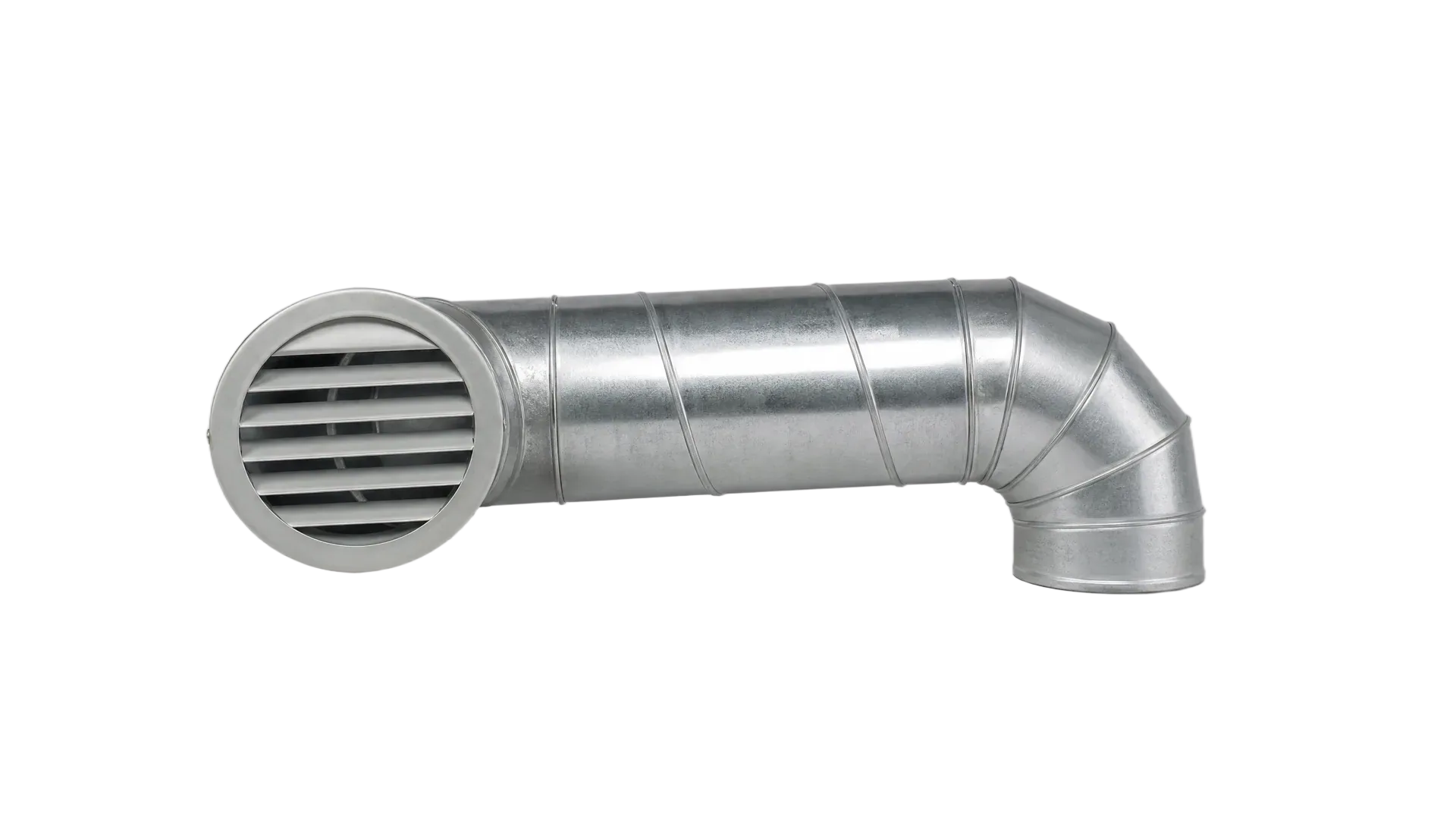
What are the signs of mold in air ducts?
Idaho is dry most of the year, so mold in ductwork is not something most homeowners expect to find. But a musty smell from the vents or a run of allergy symptoms that only flares up when the furnace or AC kicks on makes people wonder what's actually moving through the system. You want to know what to look for before you decide whether this is worth looking into further.
A musty smell from the vents, dark spots around the registers, and symptoms that worsen indoors are the main signs
A musty or sour smell when the furnace or AC runs is usually the first thing people notice, since mold gives off that odor as it grows. Dark specks or a fuzzy coating around the supply registers or return grille are a visible sign, especially if they wipe away and come back. Some people notice sneezing, a stuffy nose, or eye irritation that eases up when they leave the house and comes back once they're home. Mold needs moisture to grow, so it usually points to a damp spot somewhere in the system, maybe near the AC coil or a duct run with condensation, even with Idaho's dry summers. A musty smell alone is worth a closer look even without other symptoms.




Mold or Something Else?
Mold Signs
- A musty smell near the vents that fades when the furnace or AC is off points at the ducts themselves, not the room.
- Dark specks around the supply registers or the return grille can be mold rather than ordinary dust buildup.
- Allergy symptoms, coughing, or a stuffy feeling that start up specifically when the system kicks on suggest something is being pushed through the air.
- A duct system that stayed damp after a leak or a condensation problem gives mold what it needs to grow out of sight.
- Visible moisture or staining around the air handler or near duct seams is worth checking even if there is no smell yet.
Other Causes
- A dusty smell when the furnace first fires up in fall is normal and usually clears within a day.
- Dry Idaho summers mean most houses here do not hold the kind of humidity mold needs to take hold in the ducts.
- Allergy symptoms that track with pollen counts or wildfire smoke outside point at the season, not the ductwork.
- A dirty filter can cause the same stuffy, dusty feeling without any mold being involved at all.
- An older duct system can rattle, whistle, or leak air without that meaning anything is growing inside it.
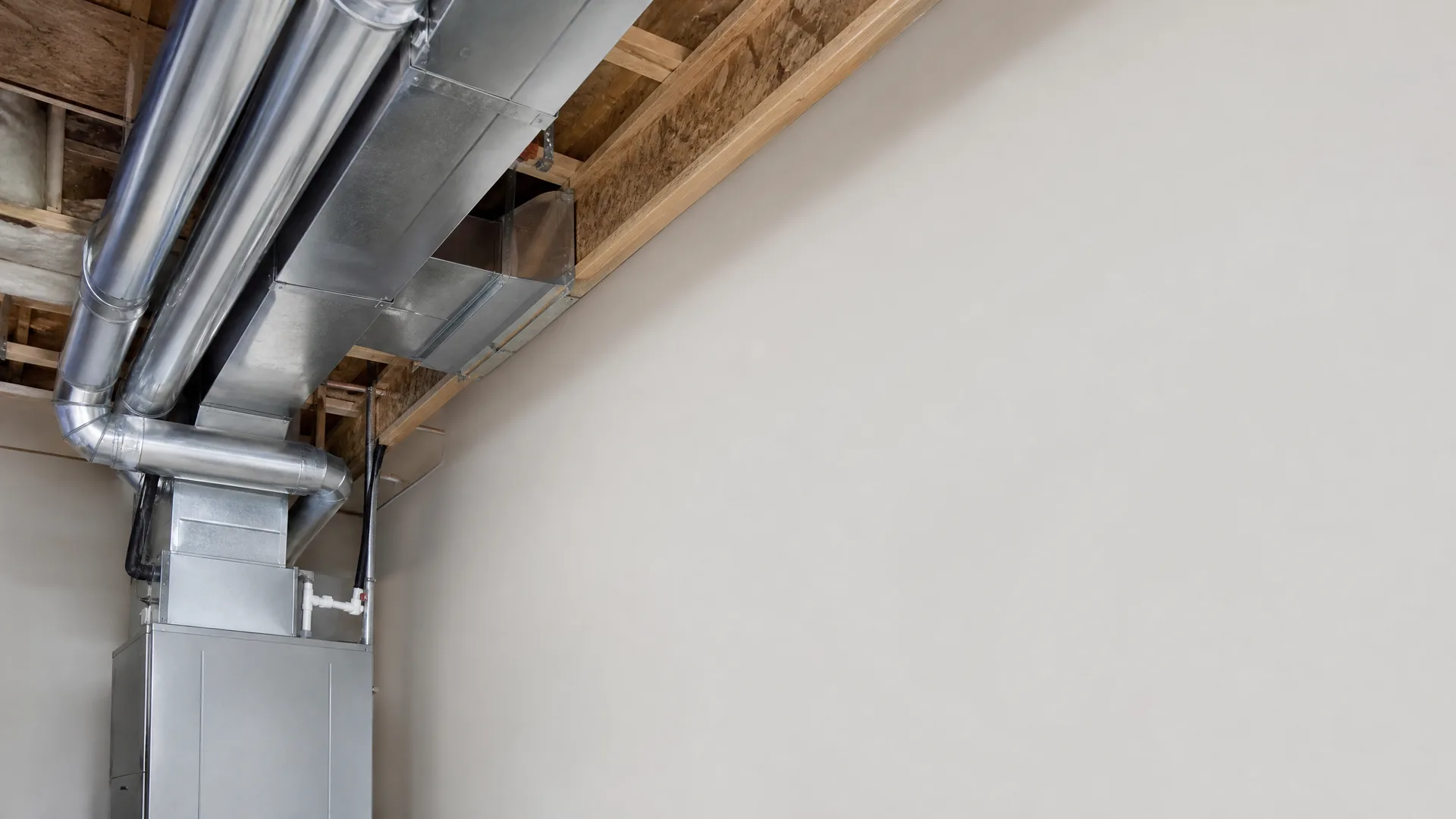
Why dry air doesn't stop it
Idaho's dry summer air doesn't reach the inside of a duct. Condensation forms at the AC coil whenever it runs, and that moisture travels into the supply ducts attached to it. A duct run that sits in a crawlspace or attic can hold that dampness long after the house itself feels bone dry. Mold needs that trapped moisture and a surface to grow on, and sheet metal or duct board both qualify.
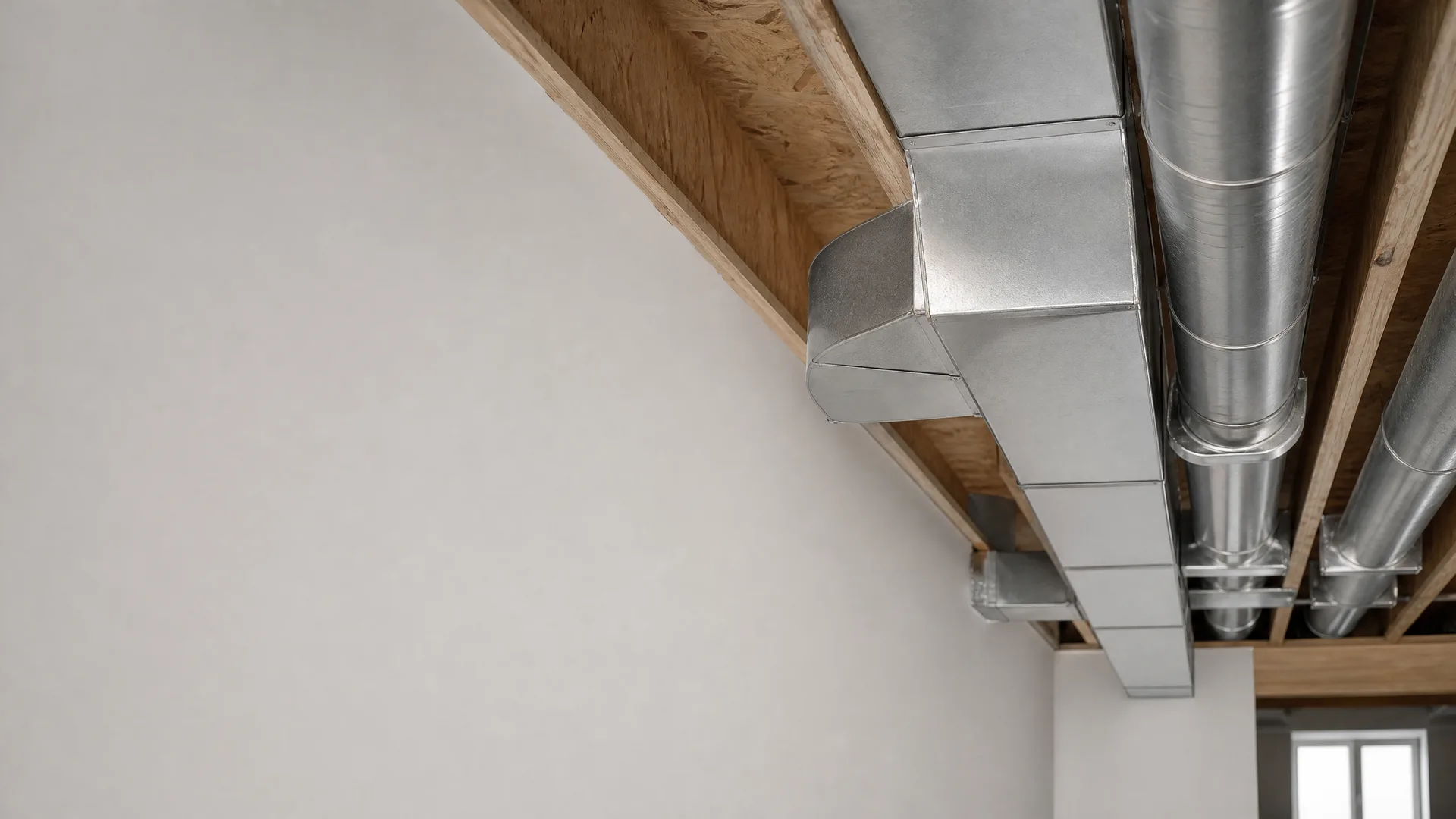
Where it actually takes hold
Mold inside a duct system tends to start near the evaporator coil and the closest few feet of ductwork, since that's where moisture collects first. From there it can spread toward the registers as spores ride the airflow. A return duct pulling air from a damp basement or crawlspace carries the same risk, even in a house with gas heat, since the AC side of the system is what introduces the moisture in the first place.
Power costs 11.83 cents per kilowatt-hour statewide
Cheap power, at 11.83 cents a kilowatt-hour, means running the blower longer or adding a UV light in the ducts won't cost much. That makes it easier to deal with mold once it's found instead of letting it sit because of what it might add to the bill.
EIA-861 2025 statewide residential average
If mold is growing where the AC coil drains into the ductwork, the blower pushes that air into every room on the system, not just the one with the vent you noticed.
A smell in one bedroom is rarely a one bedroom problem. The same air moves through the whole house every time the system runs.


A duct system pro near you
Send the form and the duct cleaning stops sitting on your list.
Your duct cleaning request goes to a local pro who does this work.
It costs nothing to send, and you don't have to hire anyone.
Why does one room smell different when the air kicks on?
You might notice it first in the room you spend the most time in, or the one farthest from the furnace. The smell gets stronger when the system runs and fades when it shuts off. Maybe you've started closing that door, or you've stopped using the vent entirely and just live with a room that doesn't get much air. A few members of the household might be coughing more or waking up stuffy, and you've chalked it up to the season. Dust that comes back a day after you clean isn't always dust. If nobody's looked at the ducts themselves, the air moving through that register has been carrying more than it should, into that room and into the lungs of whoever sleeps in it.

It's late April, and the afternoon sun comes in low through the living room window. You're on the couch with a magazine when the furnace clicks on, and a few seconds later you catch it again, that faint musty smell from the ceiling vent above you. You look up. The grille is gray with dust, more than you remembered, and when you run a finger along the coffee table underneath it, the same dust is there too, settled into a thin film. You wipe it off, but it's back within the week. The vent hasn't been touched since you moved in. You make a note to look into it, then the smell fades as the blower cycles down, and the room goes quiet again.
A musty smell that comes and goes with the blower, dark specks around a register, allergy symptoms that ease up when the system is off. Any one of those is reason enough to have the ducts looked at. You don't need all three, and you don't need to be sure. Idaho's dry air outside doesn't mean dry ducts, not with condensation forming at the coil every time the AC runs. Once mold is in the system, it rides the air to every room the ducts feed, not just the one where you noticed it. Cheap power here means a longer blower cycle or a UV light added to the ducts isn't a real cost concern, so there's no reason to wait on it. Send in what you've noticed and a contractor who works on duct systems in your area will follow up. From there, it's off your plate. You'll know where things stand instead of wondering every time the vents kick on.

Ductwork Cleaning
A local pro for your ductwork cleaning

- A local pro who knows ducts gets your details and gets in touch.
- Describe your ductwork job, and a local pro who handles it gets in touch.

- One request and the duct cleaning stops waiting on you.
- Send the request and finding a pro stops being your problem.

- Describe your ductwork job once, to one pro.
- Fill out one short form instead of calling around.

- Your duct cleaning request goes to one local pro.
- Only one pro gets your request, so you hear from one company.