


Idaho HVAC Pros

Birds nesting in a dryer vent in Idaho

A local pro who cleans dryer vents gets in touch with you.

Get matched

Why do birds keep nesting in my dryer vent?

You keep clearing out the vent, or you hear chirping behind the dryer, and it's happened more than once. You want to know why birds pick this spot instead of anywhere else on the house, and whether it's something about how your vent is built or just bad luck that keeps bringing them back.

The vent hood is warm, sheltered and shaped like a nest box

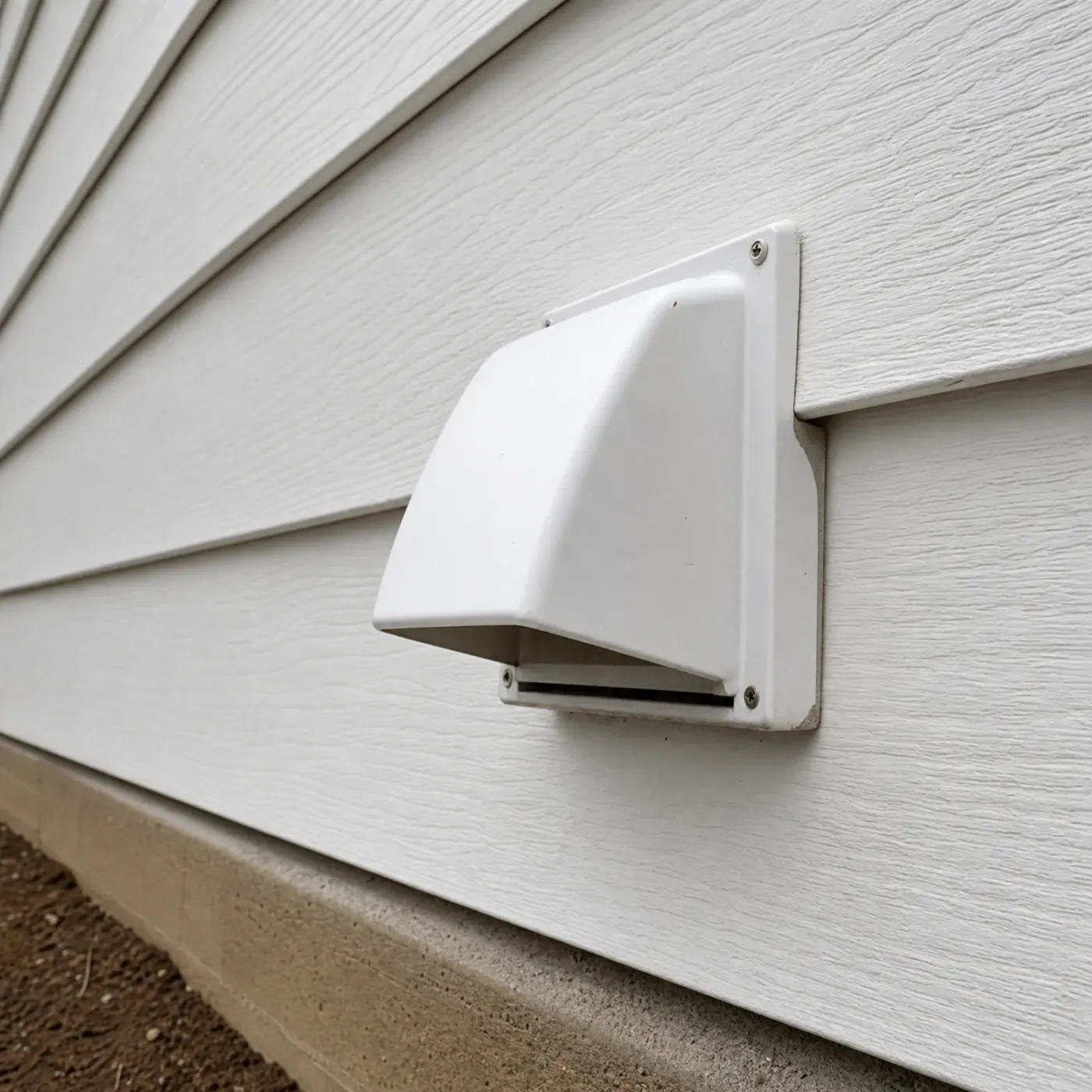
A dryer vent opens straight into the kind of spot birds look for: a small dark opening, out of the wind, with warm air coming through it when the dryer runs. Starlings and sparrows especially will build right against the flap or just inside the duct, since the metal hood keeps rain and most predators out. If the flap on the hood is bent, stuck open, or missing its spring, there's nothing stopping a bird from getting in and nothing closing the gap once they do. Once a nest is built, lint and feathers pack in around it, so even after the birds are gone the blockage usually stays until someone clears it out.

A white hooded exhaust vent with a louvered opening mounted on white horizontal lap siding, with blank white space at right.

Why the flap stays open

A dryer vent hood has a flap that's supposed to swing shut when the dryer isn't running. Once a bird forces it open to get nesting material inside, or the flap gets bent or stuck on debris, it no longer closes all the way. That gap is enough for a sparrow or starling to squeeze through. A hood with a stuck or missing flap will keep drawing birds back even after you've cleared it once.

A metal hooded exterior vent cover screwed to beige horizontal lap siding, next to a plain white wall corner.

What a packed vent does

Dryer exhaust has to travel through the duct and out that hood every time you run a load. A nest blocks the path, so the air and lint have nowhere to go but back toward the dryer. Idaho's dry summers mean lint builds up fast and burns hot, and a blocked vent traps both the heat and the lint in one place. Drying times stretch out, and the dryer works harder on every load you run.

How do you know if there's a nest in there now

Run the dryer and walk outside to the vent hood. If the flap barely moves or air seems weak coming out, something is likely blocking it. You might hear chirping or scratching from the wall when the house is quiet, especially in spring. Lint smell inside instead of outside while the dryer runs is another sign. So is a dryer taking longer than it used to, since a packed vent keeps damp air from leaving the duct. That trapped moisture and heat sits against the wood framing around the vent, and lint packed in with nesting material is fuel for a fire if it gets hot enough.

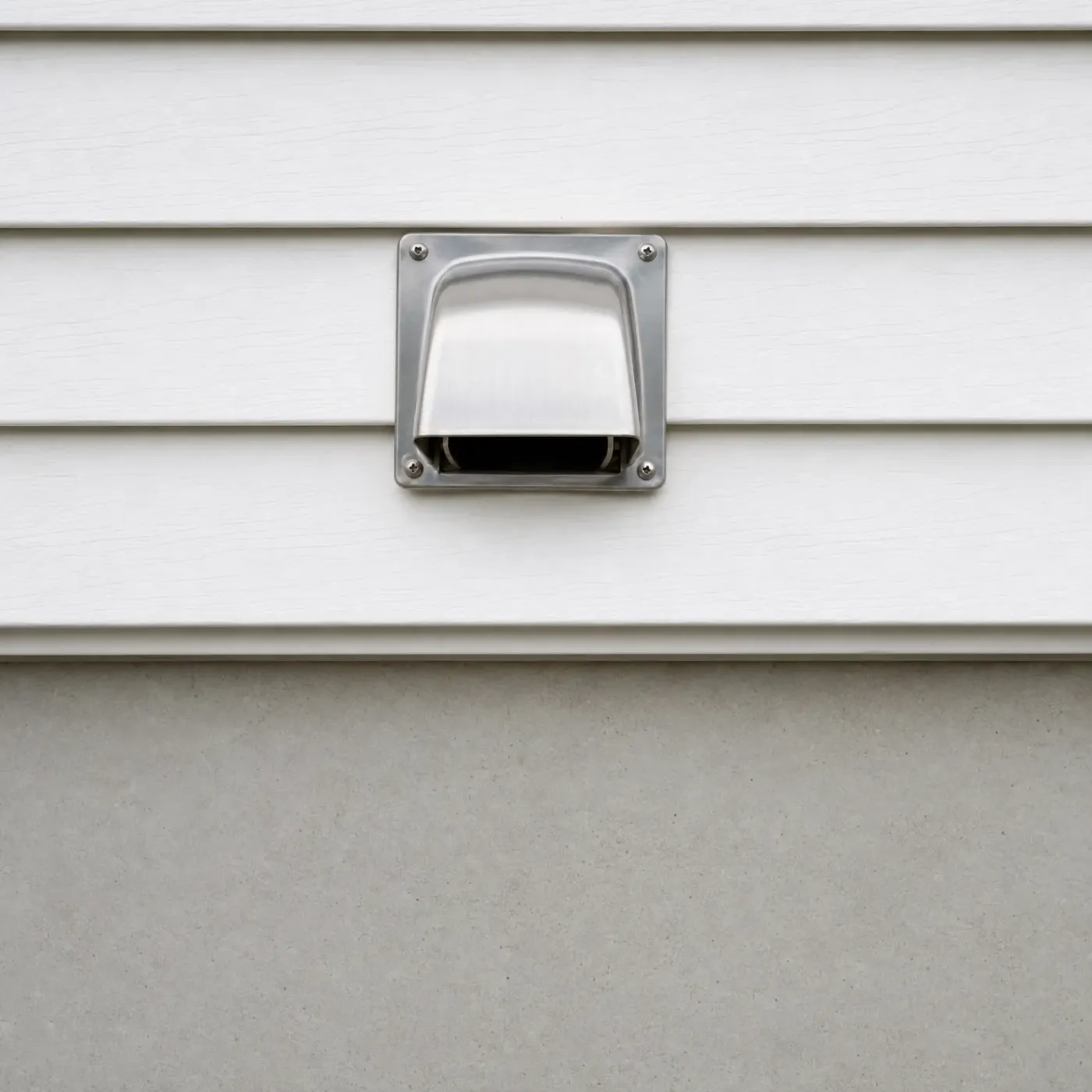
A stainless steel hooded dryer vent with four corner screws mounted on white horizontal lap siding above a gray concrete foundation.

The vent hood working as it should

Four screws hold it to the siding, flap free to swing. Air pushes it open when the dryer runs and it falls shut when the dryer stops. Nothing nests here because there's nothing to grab onto and no gap to crawl into.
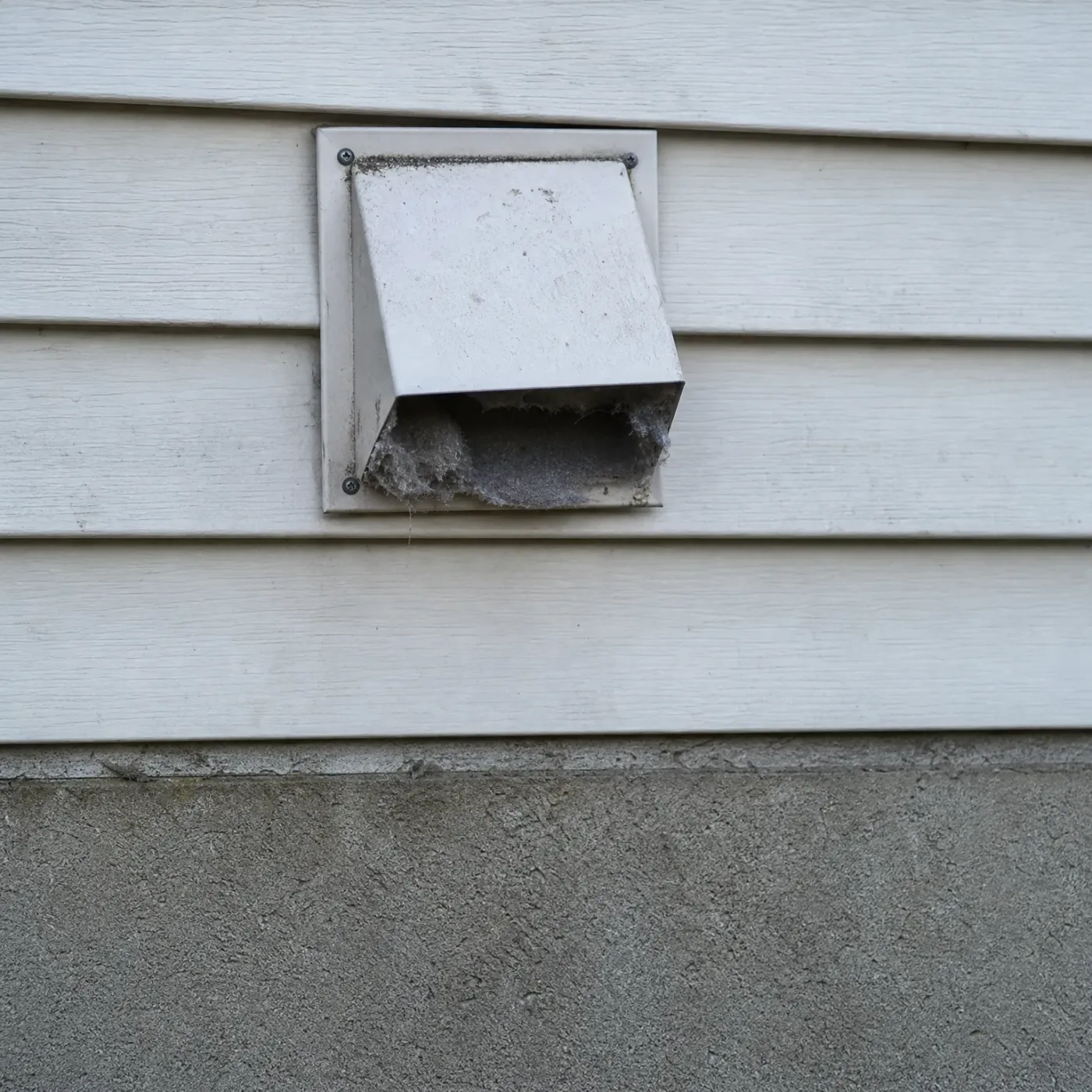

A white hooded dryer vent mounted on light-colored lap siding above a concrete foundation, with lint clogging its opening.

A vent hood a bird has already claimed

Lint has built up around the opening and the flap sits stuck open, propped by nesting material packed behind it. Air that should be pushing straight out now has to fight its way past a blockage, and the dryer runs longer because of it.

A woman wrapped in a thick wool blanket sits in an armchair with an open book on her lap, beside a lit lamp and a frost-patterned window.
An older woman with short gray hair in a cream cable-knit turtleneck sweater smiles while looking to the side in a wooden kitchen, with a round loaf of bread on a board in the foreground and a lit candle by a dark window.

Clear it yourself and you still won't know what's packed further down the duct, or whether the nest scorched the duct wall enough to matter.

A cleaning pulls the nest and debris out the full run of the duct, checks the vent hood flap itself, and gets the whole path moving air again, not just what you can reach from outside.

An older man with gray hair and a beard stands in a dimly lit entryway wearing a dark hooded coat dusted with snow, with a lit table lamp, framed picture, and front door with glass panels behind him.
An older man with gray hair and a beard, wearing a dark snow-dusted jacket and scarf, stands smiling in a dimly lit entry hall with a lamp, wooden front door and staircase behind him.
A gray-haired bearded man in a dark coat with snow flecks on the shoulders stands just inside a dimly lit home entryway, with a lamp, framed pictures, sofa and candle-style lights in the background.
An older man with gray hair and a beard, wearing a dark coat and scarf dusted with snow, stands in a warmly lit home entryway with an arched doorway, lamps, and a living room visible behind him.
A white hooded dryer vent cover screwed to white lap siding above a concrete foundation and bare soil.

The right pro for this job

Your request stays with one local pro.

Your dryer vent cleaning request goes to a local pro who does this work.

Reach a local pro

It costs nothing to send, and you don't have to hire anyone.

Pull it out yourself or get it cleaned

Clear it yourself

  • You can pull the hood off and reach in with a hand or a wire hanger, but you're only getting what's within arm's length of the opening.
  • Nesting material packed further down the duct stays put, and a dryer still runs hot air into whatever's blocking it.
  • You won't see whether the flap itself is bent or cracked from the bird forcing it, so the same thing can happen again within weeks.
  • There's no way to check from outside whether lint and twigs built up enough heat to scorch the inside of the duct.
  • If the duct run has any bends in it, which most do, material past the first turn is out of reach without taking the duct apart.

Have it cleaned

  • A contractor runs a brush or rod the full length of the duct, not just the first foot behind the hood.
  • The vent hood gets checked and reset or replaced if the flap doesn't swing shut on its own anymore.
  • Lint and nest debris packed near the dryer connection, the spot that gets hottest, gets pulled out along with everything further down.
  • Idaho summers are hot and dry enough that lint buildup near a blocked vent is worth taking seriously.
  • A local contractor who works on vents through every season in Idaho has usually seen what a bird nest does to the duct and the hood both.
  • One contractor gets matched to your job, so you're dealing with a single call back instead of several companies competing for the work.
  1. A bird pulls twigs and lint through the loose flap.

  2. Material packs into the duct bend by bend.

  3. Airflow drops and the dryer runs hotter each cycle.

  4. Lint built up around the nest can reach ignition temperature.

A white hooded exterior vent cover with a mesh screen mounted on gray lap siding above a concrete foundation.
Four screws hold the hood flat against the siding and the flap hangs free to swing shut.
A white plastic hooded dryer vent mounted on beige lap siding, with gray lint clogging its louvered opening and hanging below it.
Lint has built up around the flap until it can't close, with loose fibers hanging out of the opening.

Power costs 11.83 cents per kilowatt-hour statewide

A blocked vent makes the dryer run longer to dry the same load, and at 11.83 cents per kilowatt-hour, that extra time shows up on your bill. Clearing the nest out restores airflow, so the dryer gets back to drying a load in one cycle instead of two.

EIA-861 2025 statewide residential average

A clear vent, one call

  • A bird in the vent is a blocked duct and a dryer working harder than it should, nothing more mysterious than that.
  • The fix is the same every time: pull the nest and lint out the full duct run and get the hood flap swinging freely again.
  • A contractor who works dryer vents all over Idaho every season has seen this exact spring nesting pattern more times than you have.
  • You're matched with one licensed local contractor, so you're dealing with a single call back instead of a string of them.
  • Once the duct is clear and the flap seats shut again, there's nothing left for a bird to grab onto or crawl into.
  • Idaho's dry summers mean lint lights fast, so a packed duct behind a nest is worth clearing before it sits through another hot season.

The bird isn't the real problem. The nest it left behind is, and that's a duct a dryer has to fight through every time you run a load. Getting that cleared out and the flap moving again is what settles the whole thing, not patching at the hood or stuffing the gap with something that'll just give a bird a new place to dig at.

This is the kind of call a local contractor has taken before, more than once this same spring, because Idaho's birds go after loose vent flaps the same way every year. Someone who works on dryer vents around here all season knows which part of the duct run usually catches the worst of it and what a scorched duct wall looks like versus one that's just dirty. That's worth something when you're the one who has to trust a stranger is looking at the right thing.

You're not handed off to whoever picks up first. One licensed contractor local to your area gets matched to this job, so you're waiting on a single call back, not sorting through a handful of quotes from companies that don't know your address yet. Once that contractor clears the duct and the flap swings shut on its own again, the vent goes back to doing exactly what it's built to do. No gap, nothing loose, nothing left for a bird to get a foothold on. Through another hot Idaho summer, that's one less thing sitting behind your dryer waiting to become a bigger problem.

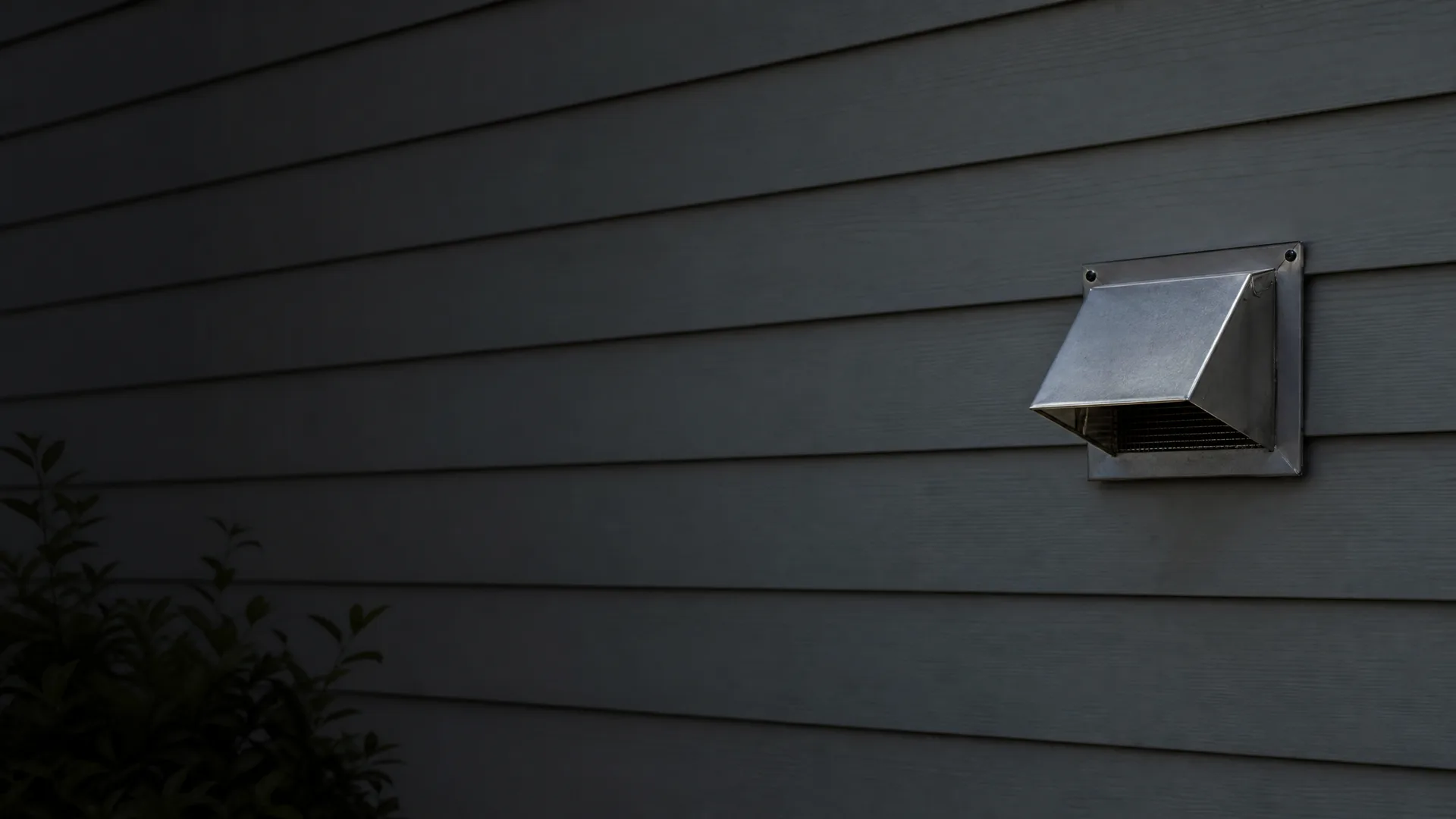
A metal hooded dryer vent with a louvered opening mounted on dark gray horizontal lap siding, with leafy shrub foliage in the lower left corner.

Matched to your dryer vent job

Your dryer vent cleaning request goes to one local pro.

Duct and vent cleaningIdaho
Step 1 of 3

What kind of equipment?