
Furnace Installation in Rigby, ID
A new furnace here will run from September through June every year. Tell us about the house, and a licensed contractor who covers Jefferson County will get in touch.
Tell us about the job
It takes about a minute.
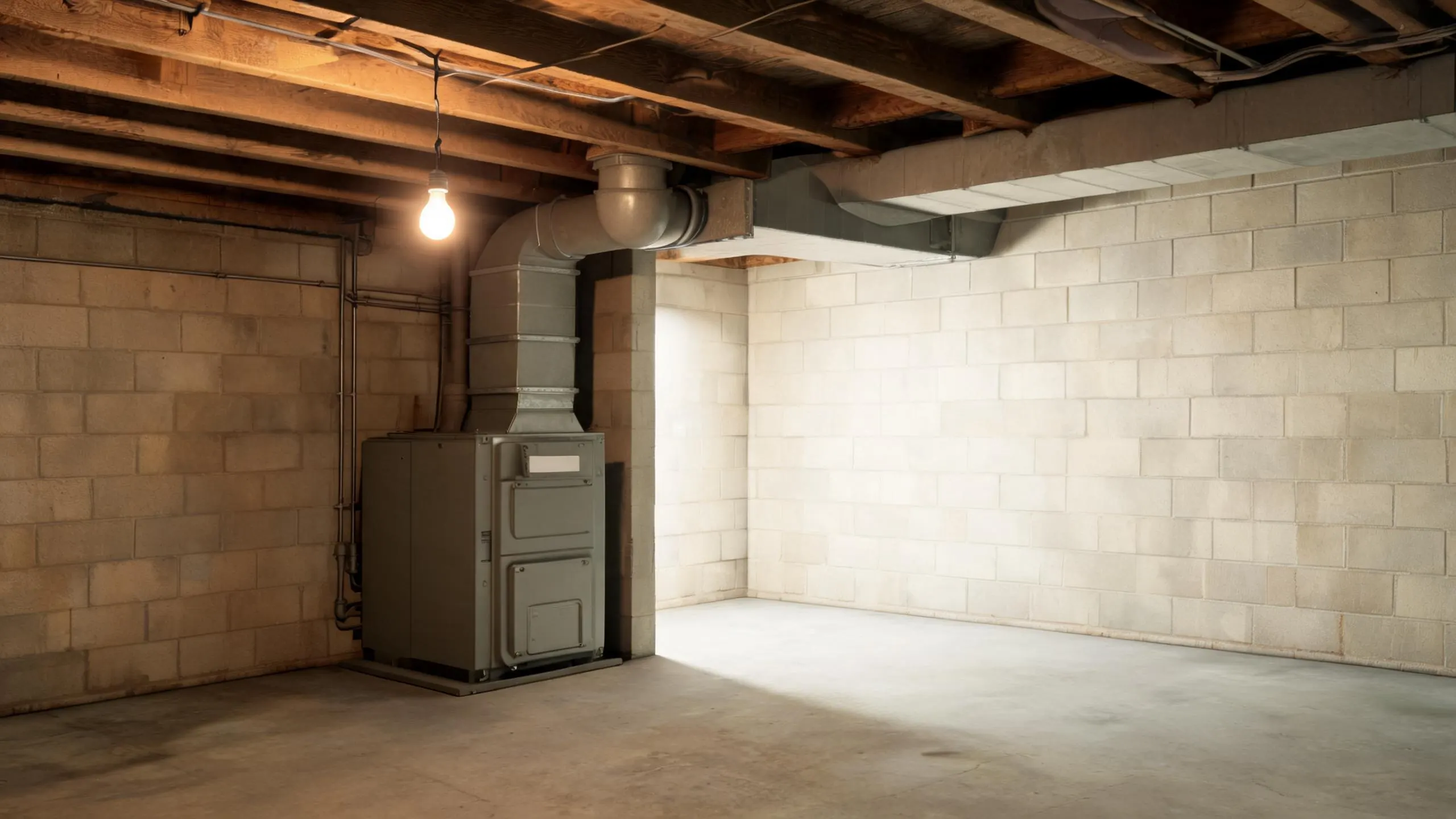
Ten months of heat a year, down to 11 below zero nights
In Rigby, furnaces run September through June. That is ten months a year the burner is doing its job, with only a couple months of rest. Winter nights average 11°F, and the furnace has to keep recovering from that cold, night after night, for most of the year.
A furnace installed here has to be sized for those nights, not just the mild ones on either side of winter. If you're putting in a new gas furnace, federal rules set the floor at 80 percent AFUE, so any unit installed today has to clear that mark. Power outages happen here too, and when the power drops, a gas furnace with electric ignition won't run until it's back, so it's worth asking your contractor how the model you choose handles that.
- 10 months
- September through June, your furnace is on duty
- 11°F
- the average winter night it heats against
- 80% AFUE
- the federal minimum any new unit must meet
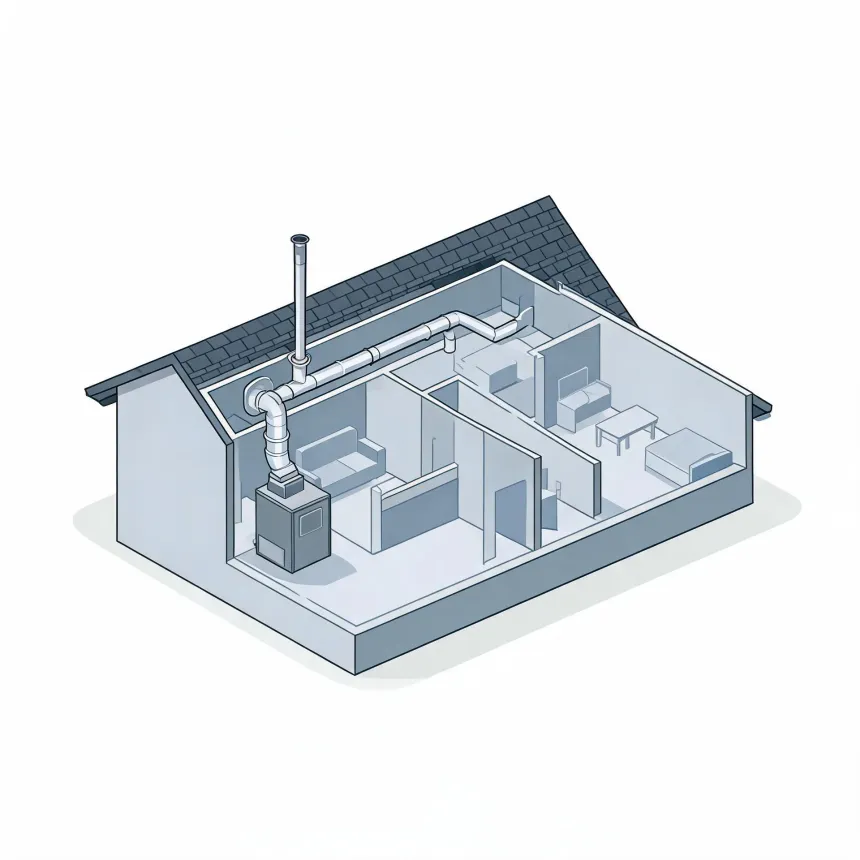
NOAA nClimDiv, 1991–2020 normals

A high-efficiency gas furnace would save about $90 a year to run in Jefferson County compared with a gas furnace.
Estimates for a typical Jefferson County home, from EIA household energy data, Idaho fuel prices and NOAA climate normals. Your home will differ.
Idaho requires HVAC contractors to hold a state license.
The license sits with the contractor, not with this one job. Idaho's HVAC Board licenses the contractor, and that license covers whoever ends up doing this work, not just this one installation.
A furnace installation in most cities and counties still needs a permit from the local building office, with an inspection once the work is done. That inspection is what checks the gas connection and the venting, the part of this job where a mistake is dangerous. Almost half the homes in Jefferson County heat with gas, so that check is doing real work here.
Sources: Idaho Legislature · Idaho Division of Occupational and Professional Licenses
- What size furnace does my house need?
- A contractor needs to run a load calculation on your house to answer that. Square footage alone does not tell the story. Your window count, insulation, and ceiling height all factor in, and so does how much of the year you're running heat, which here is ten months. A furnace that's too big will short cycle and wear out its parts faster. One that's too small will run constantly and still leave you cold on the 11°F nights this place sees all winter. Ask the contractor to show you the calculation, not just a guess based on your old furnace.
- How do I know it's time to replace my furnace?
- Watch for uneven heat between rooms, a furnace that runs longer than it used to, or repair bills that keep coming back. A cracked heat exchanger or a furnace that won't hold a steady flame are not things to wait on either. Heat is needed here from September through June, so a furnace that's struggling has little time each year to rest and catch up. If a contractor tells you the repair cost is getting close to what a new furnace would run, that's usually the point to stop repairing.
- Is a high-efficiency furnace worth it?
- It depends on how long you plan to stay in the house and how much you're running the furnace. With heat needed from September through June here, a furnace works a lot more than it would somewhere warmer, so the efficiency difference shows up in real fuel use over a year. Any furnace made after November 2015 already has to reach 80 percent AFUE at minimum, so the real choice is between that baseline and a higher-efficiency model above it. A contractor can walk you through what fits your house and your furnace's venting, since high-efficiency units vent differently than standard ones.