
Furnace Installation in Blackfoot, ID
A new furnace here will run from September through June every year. Tell us about the house, and a licensed contractor who covers Bingham County will get in touch.
Tell us about the job
It takes about a minute.
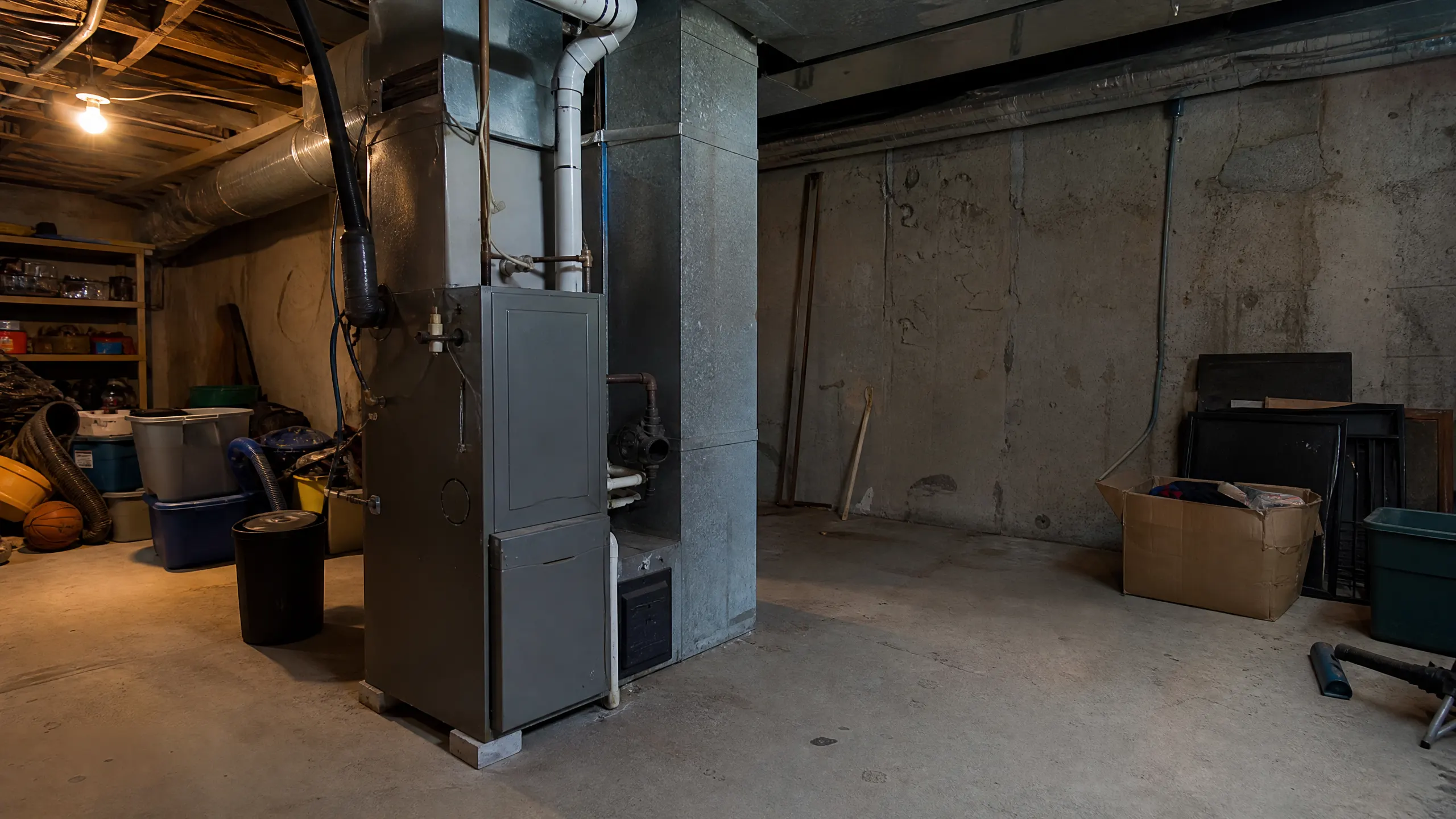
Ten months of heating in Blackfoot
Winter nights here average 16°F from December through February, and homes in the area need heat running from September through June. That's ten months a year your furnace is doing the real work of keeping the house livable, not just taking the edge off on a cool evening.
A furnace installed here has to be sized for those 16°F nights, not for a mild one. Any non-weatherized gas furnace built after November 2015 has to reach at least 80 percent AFUE by law, so that's the floor to expect, not a feature to shop for.
- 10 months
- September through June, your furnace is on duty
- 16°F
- the average winter night it heats against
- 80% AFUE
- the federal minimum any new unit must meet
NOAA nClimDiv, 1991–2020 normals

A high-efficiency gas furnace would save about $90 a year to run in Bingham County compared with a gas furnace.
Estimates for a typical Bingham County home, from EIA household energy data, Idaho fuel prices and NOAA climate normals. Your home will differ.
Idaho requires HVAC contractors to hold a state license.
The state tested the contractor and keeps a record of the license before any work starts. It covers the person or company doing the job, not the specific furnace going into your house, so the license tells you this contractor met the state's standard, not that this particular installation was pre-approved.
For a furnace install, that license is what stands behind the work. On top of it, most cities and counties in Idaho require a permit for a furnace replacement and an inspection once it's done, which is a separate check on the installation itself. Almost half the homes in Bingham County heat with gas, and a furnace installed wrong is a gas safety problem, which is exactly what the permit and inspection are there to catch.
Sources: Idaho Legislature · Idaho Division of Occupational and Professional Licenses
- What size furnace does my house need?
- There is no single number that fits every house. A contractor works this out from your square footage, your insulation, your windows, and your ceiling height, using a room by room load calculation. A furnace that is too big cycles on and off too fast and never runs long enough to heat evenly. One that is too small will run nonstop through a night at 16°F and still fall behind. Since homes here need heat from September through June, getting the size right matters more than it would somewhere with a short winter.
- How do I know it's time to replace my furnace?
- Watch for rooms that stay cold no matter how high you set the thermostat, a furnace that cycles on and off more than it used to, or a heat exchanger that's cracked or rusted through. Repairs that keep coming back are also a sign the unit is wearing out rather than having one bad part. A furnace running most of the year, September through June here, puts more hours on it than one that only runs a few months, so parts wear sooner. If yours is old enough that a contractor has flagged the heat exchanger, don't wait on that one.
- Is a high-efficiency furnace worth it?
- It depends on how much your furnace runs and what you're comparing it against. Every non-weatherized gas furnace made since November 2015 has to reach at least 80 percent AFUE by federal rule, so even a standard model isn't wasteful. A furnace rated above that minimum burns less gas to produce the same heat, and with heat needed here from September through June that difference adds up over more months than it would in a milder climate. A contractor can walk you through the options and price out what fits your house.