
Ductwork doing its job
Sealed runs like these move air straight from the furnace or AC to each room without losing it along the way. The metal stays clean, joints stay tight, and every register gets the air your system paid to heat or cool.
Your request goes to a Kootenai County pro who takes ductwork jobs.
Get my matchA few rooms in your house never seem to match the thermostat, your furnace or AC runs longer than it should, and your power bill looks high for what the system is actually doing. That usually means the ducts carrying that air have gaps or loose joints somewhere in the attic, crawlspace, or basement, and a chunk of the air you paid to heat or cool is leaking out before it reaches the room. You might also notice dust coming through the vents, or one part of the house staying stuffy while another stays cold. In Coeur d'Alene, where winters are cold and summers run hot and dry, a leaky duct makes both seasons harder on the system, since it has to run longer to make up for the air it's losing. None of this means the whole system is bad. It usually means the ductwork needs a look, sealing at the joints, or in some cases replacement of a damaged section.

Dry, hot air outside pulls hard at any duct run through an attic or crawlspace. Where a joint has come loose, that superheated air mixes into the air your AC just cooled, so the system has to run longer to make up the difference. If one room stays warm no matter how low you set the thermostat, check the duct run feeding it before you assume the AC itself is undersized.

Gas furnaces push warm air through the same ducts all winter, and a leak that only cost you a little comfort in July can cost you more once temperatures drop and the system runs for hours at a stretch. Supply ducts running through an unheated crawlspace or attic lose heat fastest at a loose joint, which is why some homes feel uneven room to room even with a furnace that's otherwise working fine.
Half the homes here were built by 1996
Half the homes in Kootenai County were built in 1996 or earlier. If your ducts came with the house, check how old that system actually is.
Heat runs September through June
Heat runs about ten months a year here, September through June. That duct system barely gets a break, and every month it runs is a month a leak costs you.
Cooling runs July through July
July is the one month cooling runs on its own. Short as it is, a leaky return in the attic during that stretch can still run your AC far longer than it needs to.
ACS 2020-2024 · NOAA nClimDiv 1991-2020
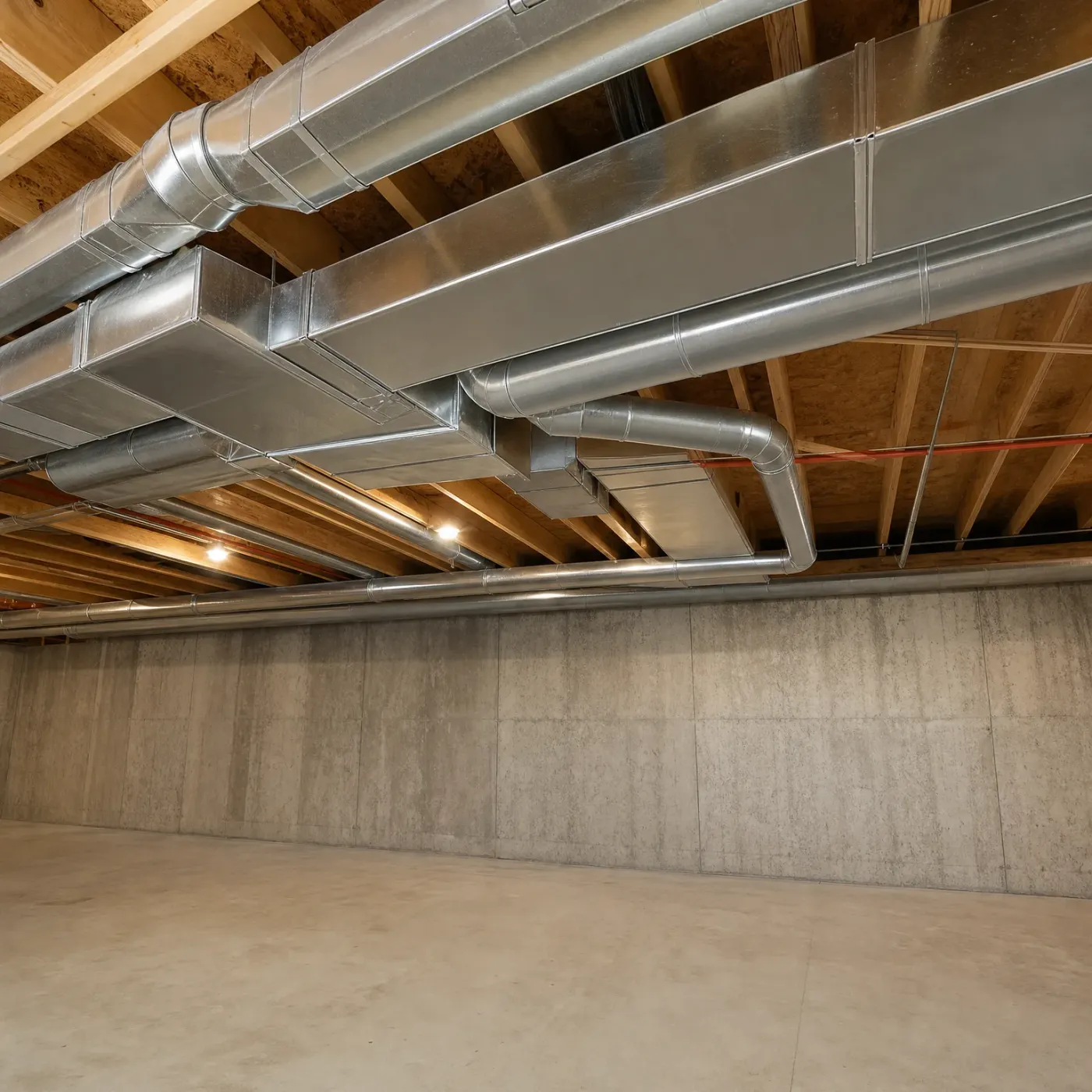
Sealed runs like these move air straight from the furnace or AC to each room without losing it along the way. The metal stays clean, joints stay tight, and every register gets the air your system paid to heat or cool.
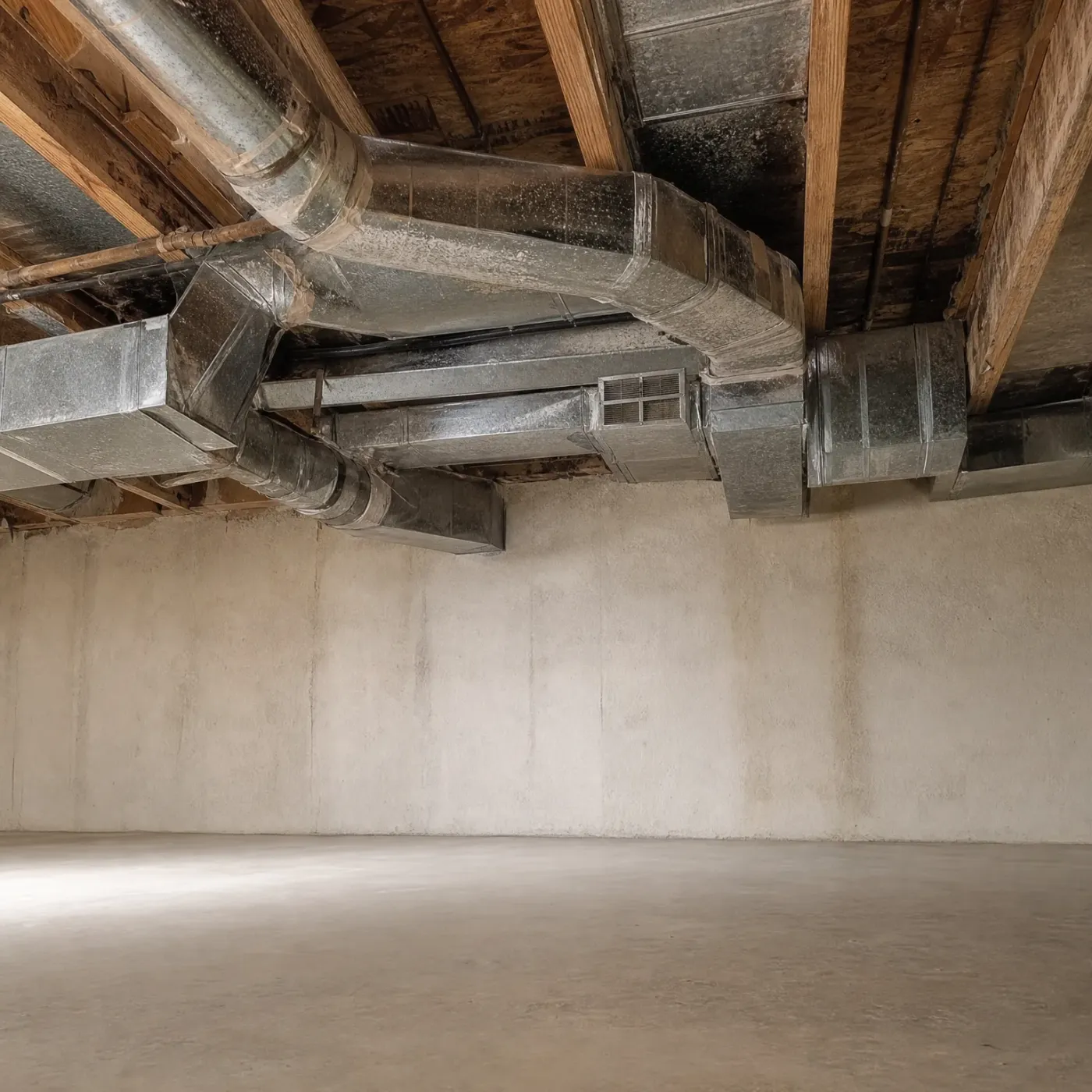
The dark streaking along these seams is dust pulled through gaps by escaping air, settling on the metal over years. Every joint doing this is air your furnace or AC produced and your house never got.




The pro who gets in touch is licensed in Idaho and works in Kootenai County.
It costs nothing to send, and you don't have to hire anyone.

You're vacuuming the living room on one of the first warm days in April, and you notice the rug under the ceiling vent has gone gray. You get the step stool and look up at the grille, and the dust is thick on the slats, more than you expected. You wipe the TV stand and the bookshelf below it, and there it is again, a fine gray film that came back within a week of the last time you cleaned it. The AC hasn't even run hard yet. Outside it's barely 70. You stand there a second, looking at the vent, and wonder where all that dust is actually coming from before it ever reaches the filter.

Air moves through your ducts under pressure, pushed by the furnace or air handler's blower. At a loose joint, that pressure forces conditioned air out through the gap instead of down the run toward the register. The supply side usually leaks worse than the return side, because that's where the pressure is highest. A leak near the start of a run, close to the furnace, loses more air than the same size gap near the end, since everything downstream of it goes short.
Sealing has to address each joint on its own. Mastic or foil tape at one bad seam doesn't do anything for a loose boot three feet away, so a contractor working your attic or crawlspace checks the whole run rather than the one spot that prompted the call. A contractor who handles duct systems in Kootenai County through the winter heating months and the summer cooling months sees which runs and which connections fail first in homes built the way yours was, and that's the kind of read on your system that's worth getting matched up for.

At 12.31 cents a kilowatt-hour, power here is cheap, which is exactly why a leaky run is easy to miss on your bill. The real cost shows up on your gas side, since that furnace has to fire longer to push enough heat through the gaps to reach the register.
EIA-861 2025
The blower pushes air into the trunk line under pressure.
Air branches off into smaller ducts toward each room.
At a loose joint, pressure forces air out through the gap.
Lost air settles in the attic or crawlspace instead of your room.
Walk through your house with your hand near each vent. One room blows warm air you can feel from across the room, another barely stirs the curtains. That's a duct problem, not a thermostat problem. You might also notice a musty smell coming from a vent, or find the attic hatch warm to the touch in July when it should just be hot outside, not inside your insulation. Dust collects faster around some registers than others, because air is pulling in through the same gap it's leaking out of elsewhere in the run. Left alone, the furnace and AC keep working harder to cover the loss, and the rooms farthest from the unit usually lose the most.
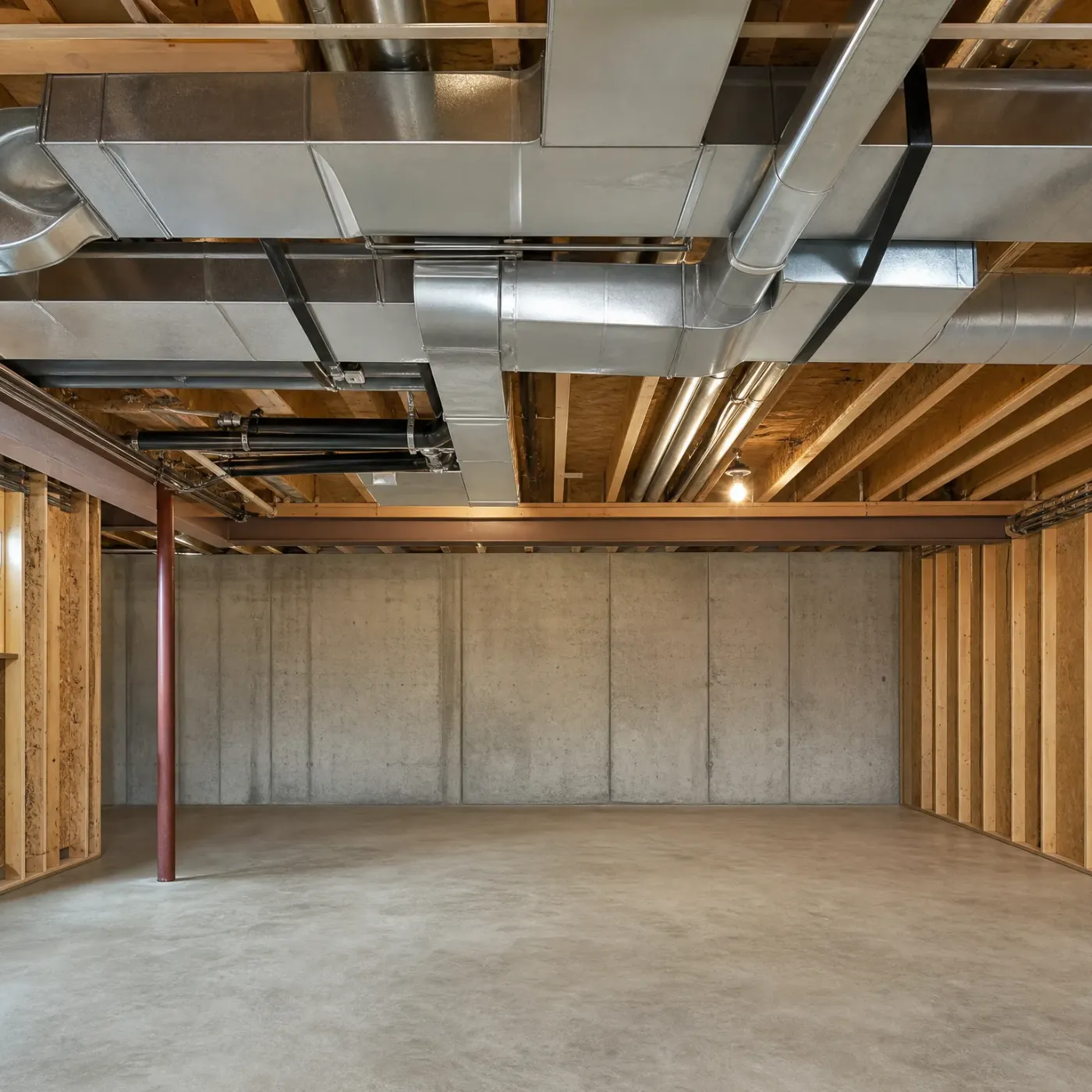
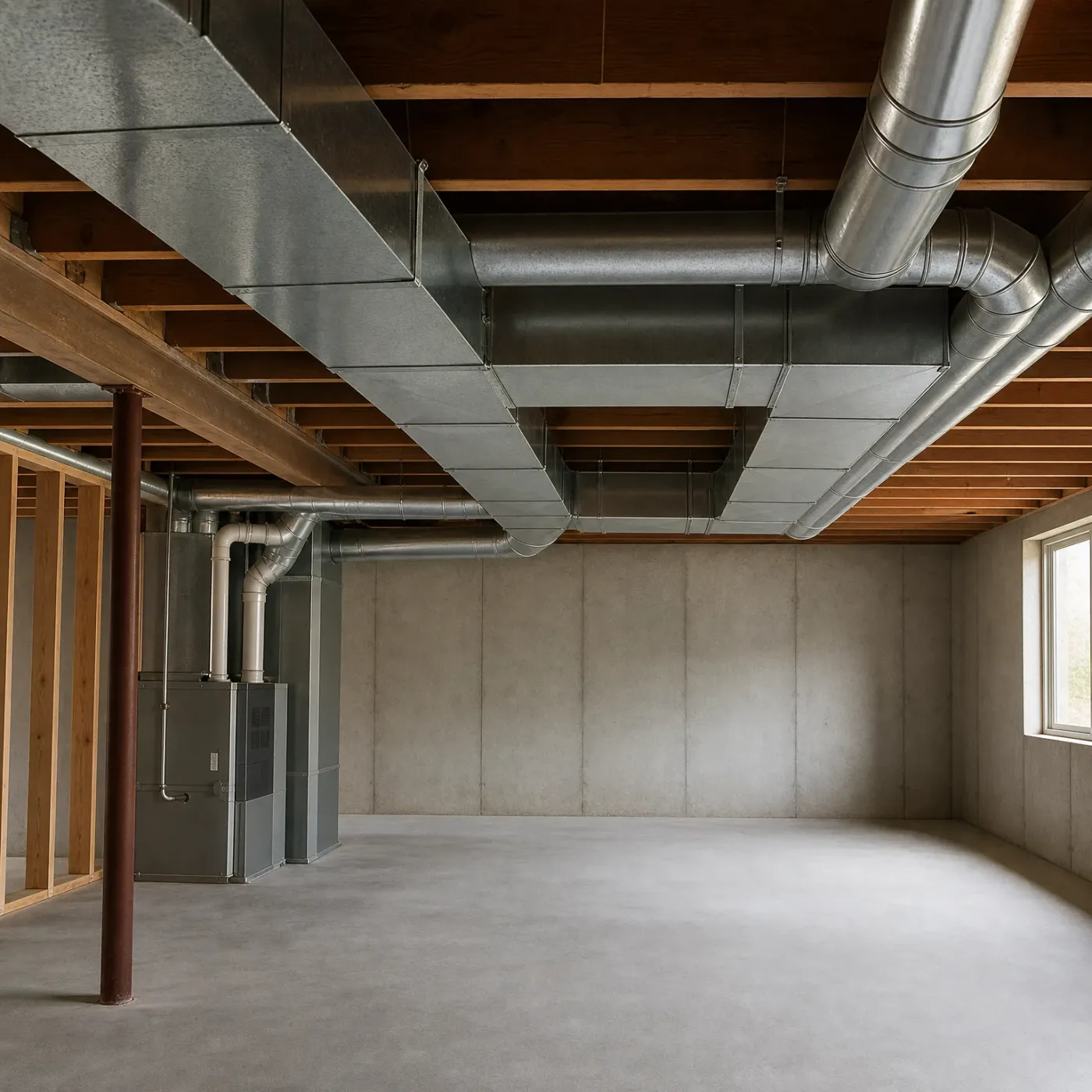
Runs like these sit snug at every joint, so air moves from the furnace straight to the register with nothing lost along the way. The metal stays clean because nothing is leaking dust in or heated air out. Every room gets the air your system is already paying to condition.
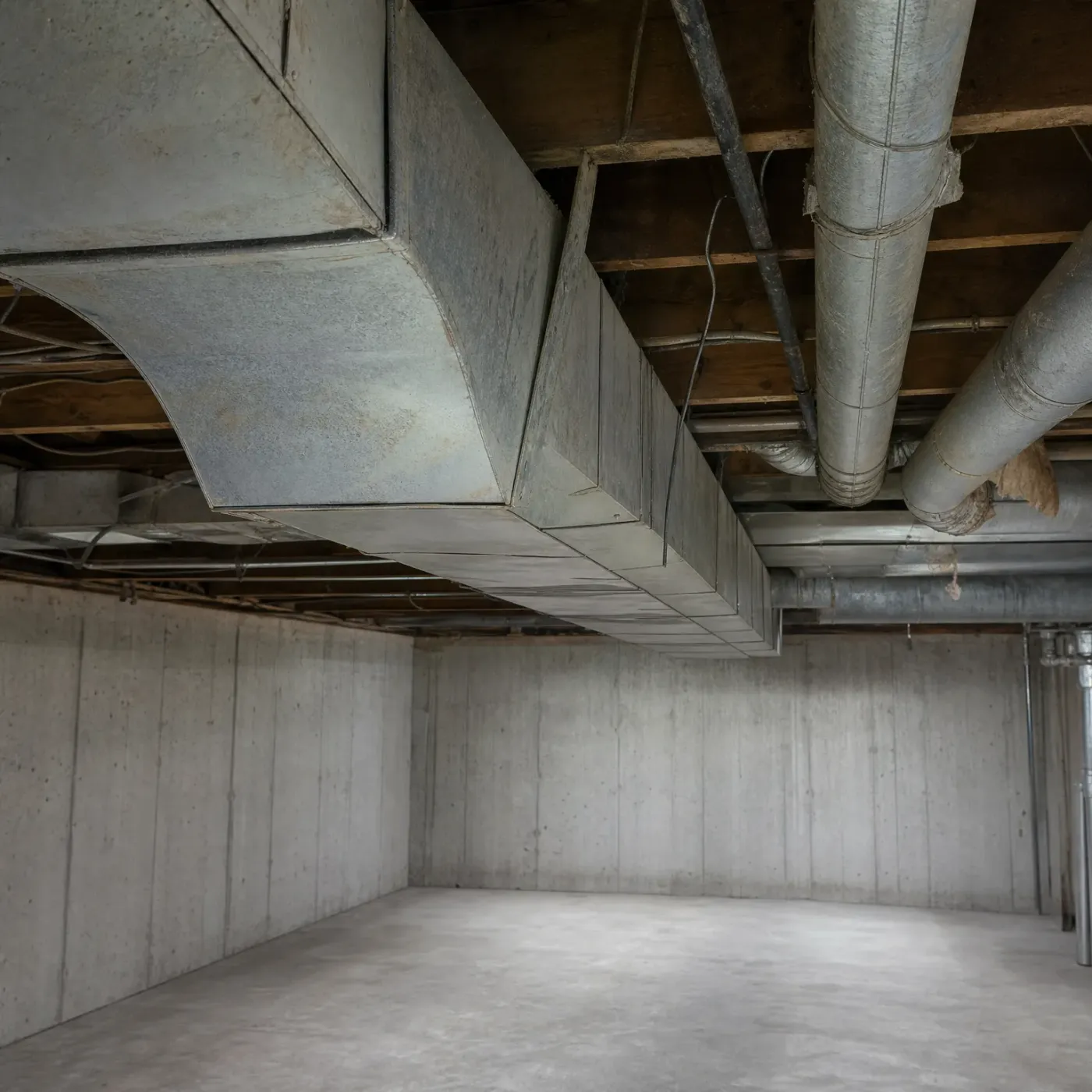
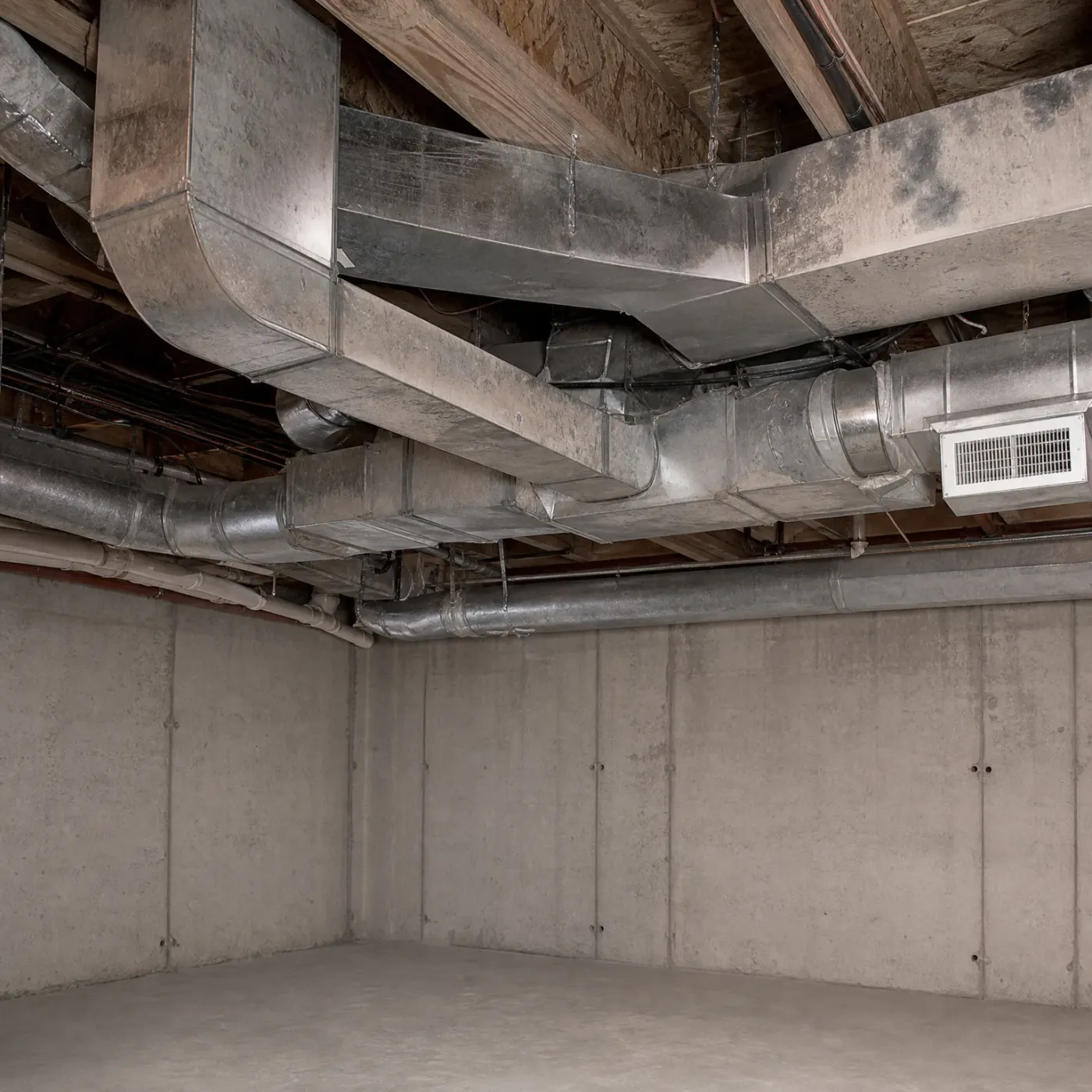
These runs cross the same joists, but a loose seam here lets heated or cooled air spill into the floor joists above before it reaches any register. The furnace or AC keeps running to make up what never arrives. Over a winter or summer that gap costs you comfort in the room and dollars on the bill.


A house where one room never matches the thermostat, a furnace that runs longer than it should, and a gas bill that climbs even though power here stays cheap are all pointing at the same thing. Somewhere in the attic, crawlspace, or basement, a joint has come loose and is letting conditioned air spill out before it reaches the register. You don't need to open a wall to check for it. Dust built up heavy around a vent, or a room that stays warm or cold no matter what the thermostat says, are both signs you can find on your own with a flashlight and a few minutes walking the house.
Finding the leak and sealing it is a different job, and it helps to have someone who already knows where to look. A contractor working on duct systems around Kootenai County every heating season has seen which joints give out first in homes like yours, whether that's flex duct sagging in a crawlspace or a trunk line seam that was never taped right to begin with. That's who you get matched with here, one licensed local contractor, not a handful of companies calling you back with competing quotes.
Once the leaks are sealed with mastic and metal tape at the joints, the air your furnace or AC already heated or cooled stops disappearing into the attic and starts reaching the rooms that have been running short.
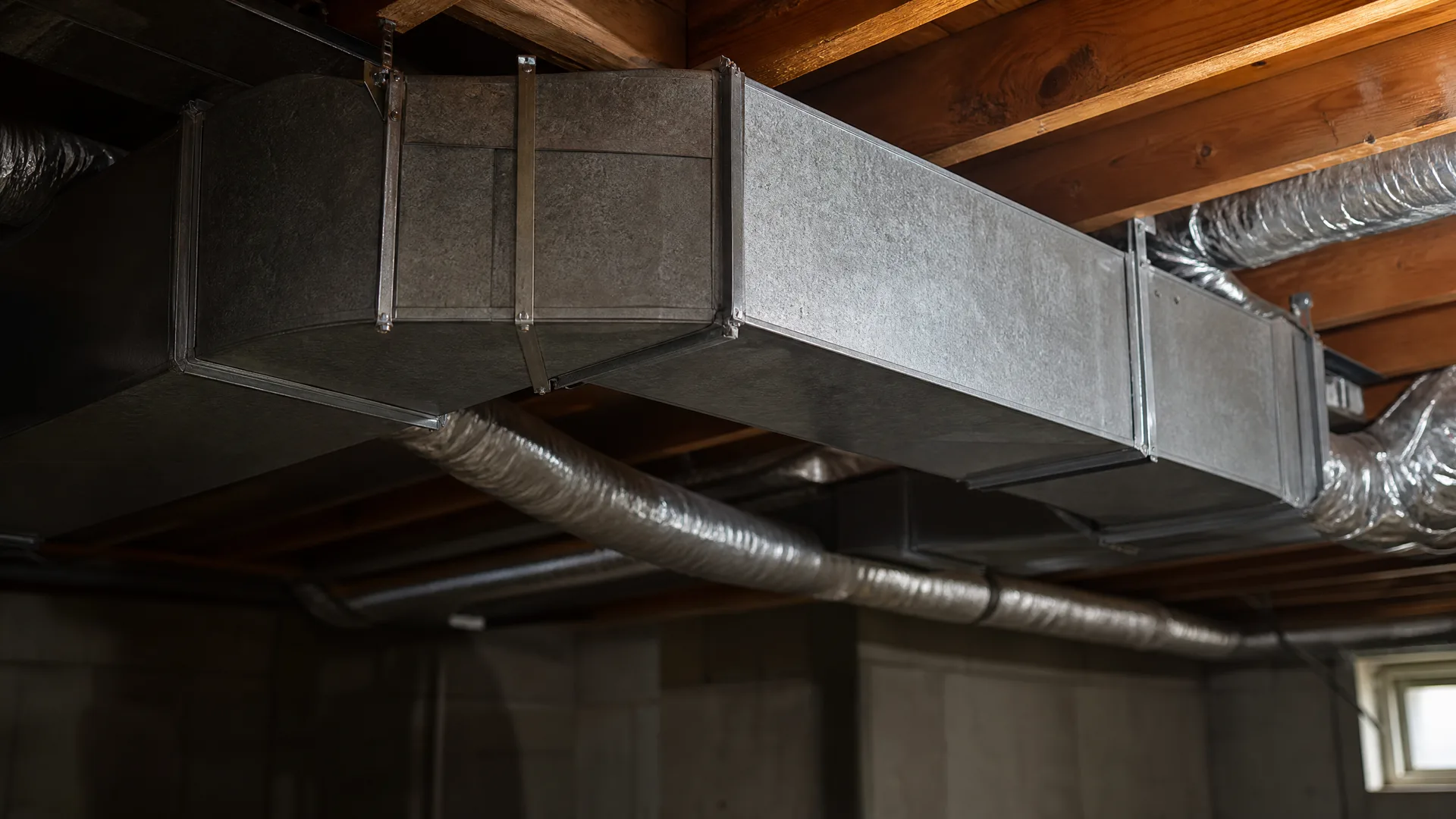
Find a duct system cleaning pro in Kootenai County