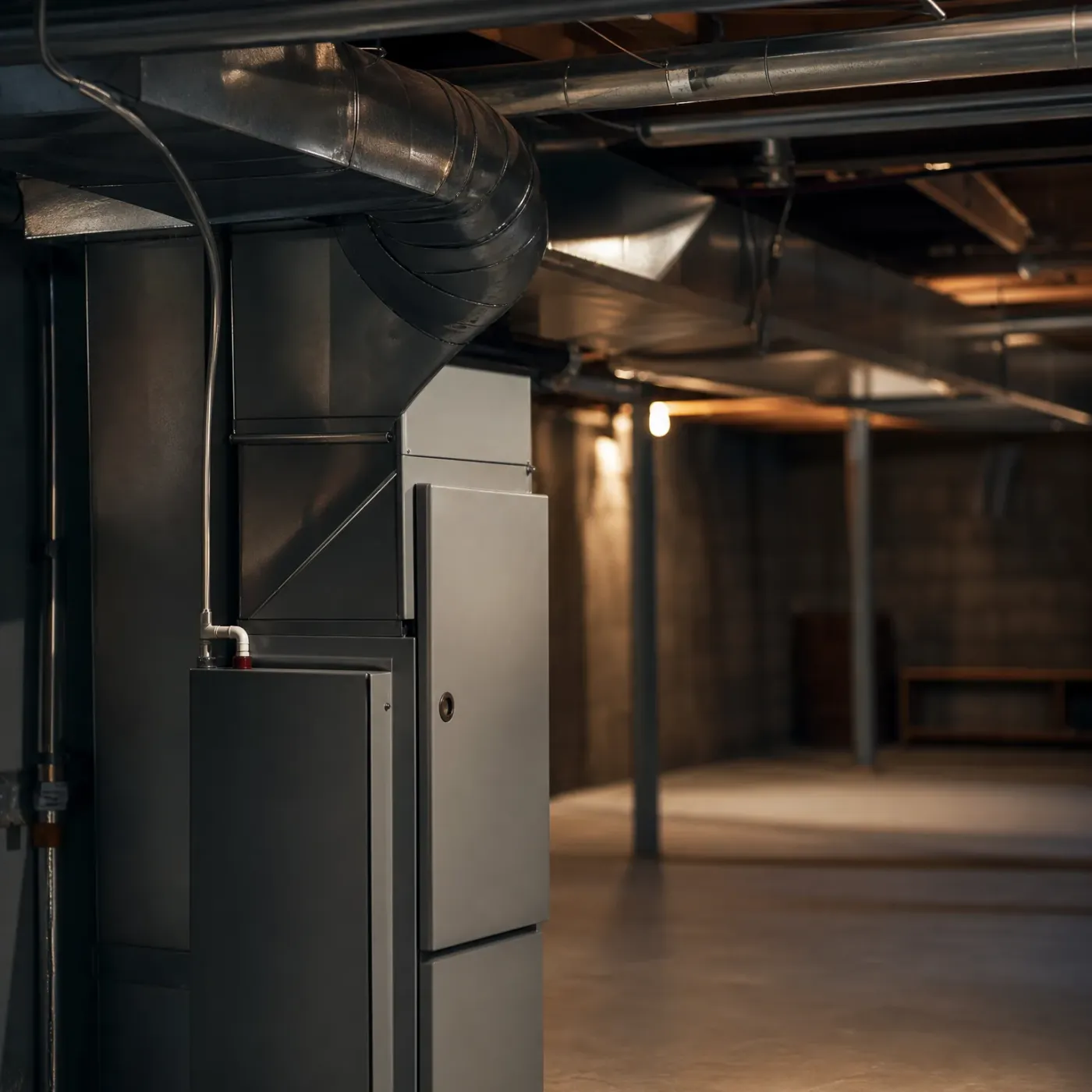




A basement interior with a gray furnace or air handler unit connected to large sheet-metal ductwork running along the exposed joist ceiling, with support posts and a concrete block wall in the dim background.

Get matched with a duct system pro in Bonneville County

Signs your ducts need cleaning in Idaho Falls, ID

Dust on the registers, a musty smell when the furnace kicks on, more sneezing than usual indoors. With dry summers and hard winters here, your system runs most of the year and pulls plenty through the ducts. This page walks through what actually points to dirty ducts versus something else, so you know before you have someone look.

Get matched

The clearest sign is dust that comes back fast, settling on furniture or registers within a day or two of cleaning. A musty smell when the furnace or AC first kicks on is another, especially if no one can find where it's coming from. So is dust blowing visibly out of the vents when the system starts up. Rooms that stay dusty no matter how often you clean them point the same direction. In Idaho Falls, your furnace runs hard all winter and the AC runs hard through the dry summer, and both push air through the same ducts for months without a break. Dust, pet hair, and whatever came in with the dry summer air settles in the ductwork and gets stirred up every time the system cycles. If you're noticing more of it lately, or the smell is new, that's the ducts telling you something, not just the season.

A smiling woman with long dark hair in a gray sweater sits behind a white countertop holding a glass of red wine, with a dimly lit living room and dark kitchen island in the background.
A woman in a beige knit sweater with her hair up laughs while looking to the side, seated in a dimly lit living area with a sofa, windows and a kitchen counter behind her, a glass of red wine in the lower right foreground.
A woman in a black sweater laughs while seated at a light stone counter with a glass of red wine, in a dimly lit living and dining room with bookshelves, a table lamp and framed artwork behind her.
A smiling woman with long dark hair in a beige sweater sits at a granite counter with a glass of red wine, with a living room, fireplace and dining area behind her.

Why does it matter so much here in Bonneville County

  • Half the homes here were built by 1985

    Half the homes in Bonneville County were built in 1985 or earlier. Ductwork that old has had decades to gather dust, and older runs are more likely to have gaps where it collects.

  • Heat runs September through June

    Heat runs here from September through June, about ten months a year. That long a stretch pushes a lot of air through the same ducts before anything gets a break.

  • Power here costs 11.19 cents per kilowatt-hour

    Power here runs 11.19 cents per kilowatt-hour, cheap enough that most homes lean on the furnace and AC hard rather than easing off them.

ACS 2020-2024 · NOAA nClimDiv 1991-2020 · EIA-861 2025

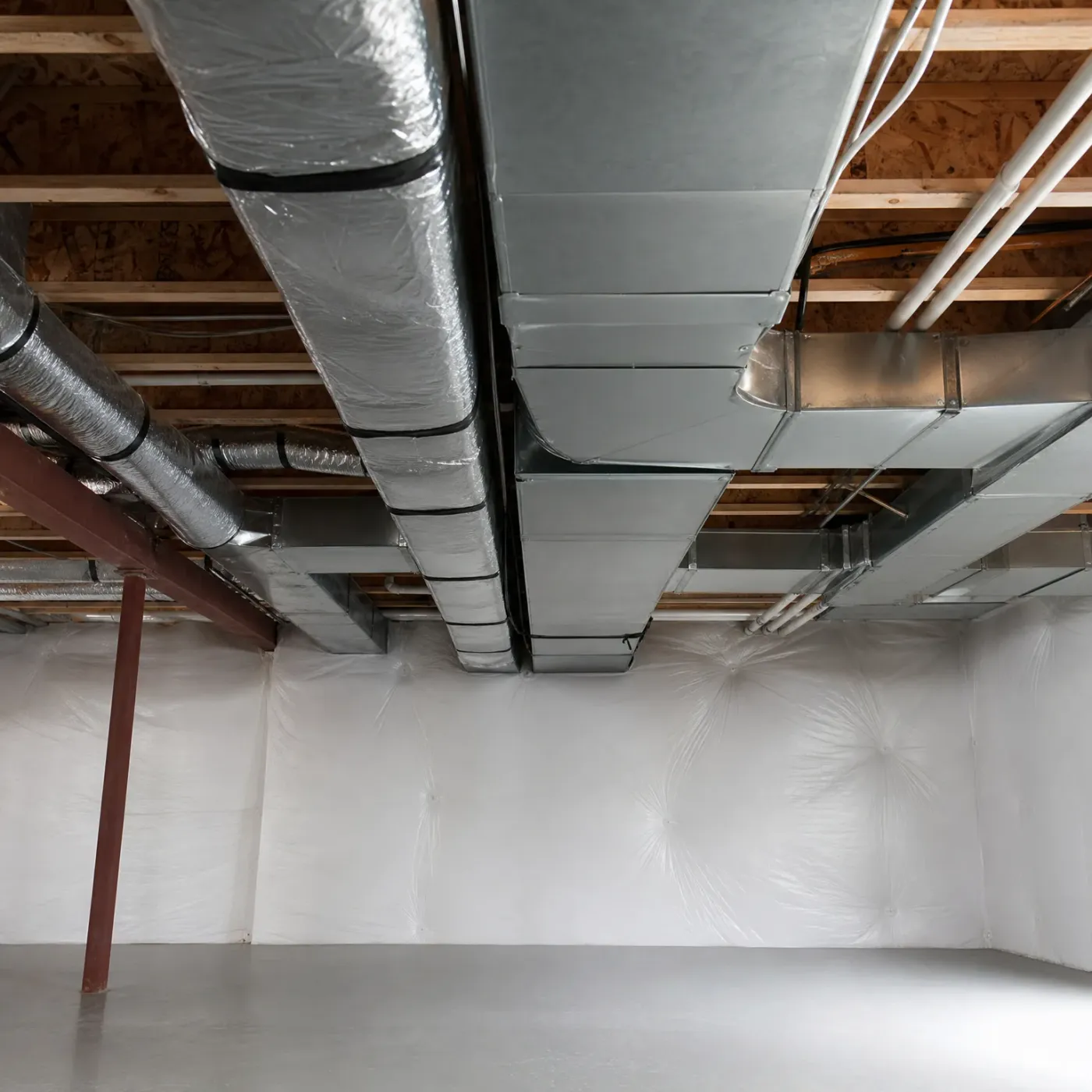
Unfinished basement with exposed wood joists, sheet metal and insulated flexible ductwork, white pipes, a steel support post, plastic-covered walls, and a bare concrete floor.

Ducts moving clean air

This is what a duct system looks like when it's doing its job. Metal trunk lines and flex runs carry air to each room without leaking it into the joist bays along the way. No dust rings at the seams, no buildup sitting in the runs.
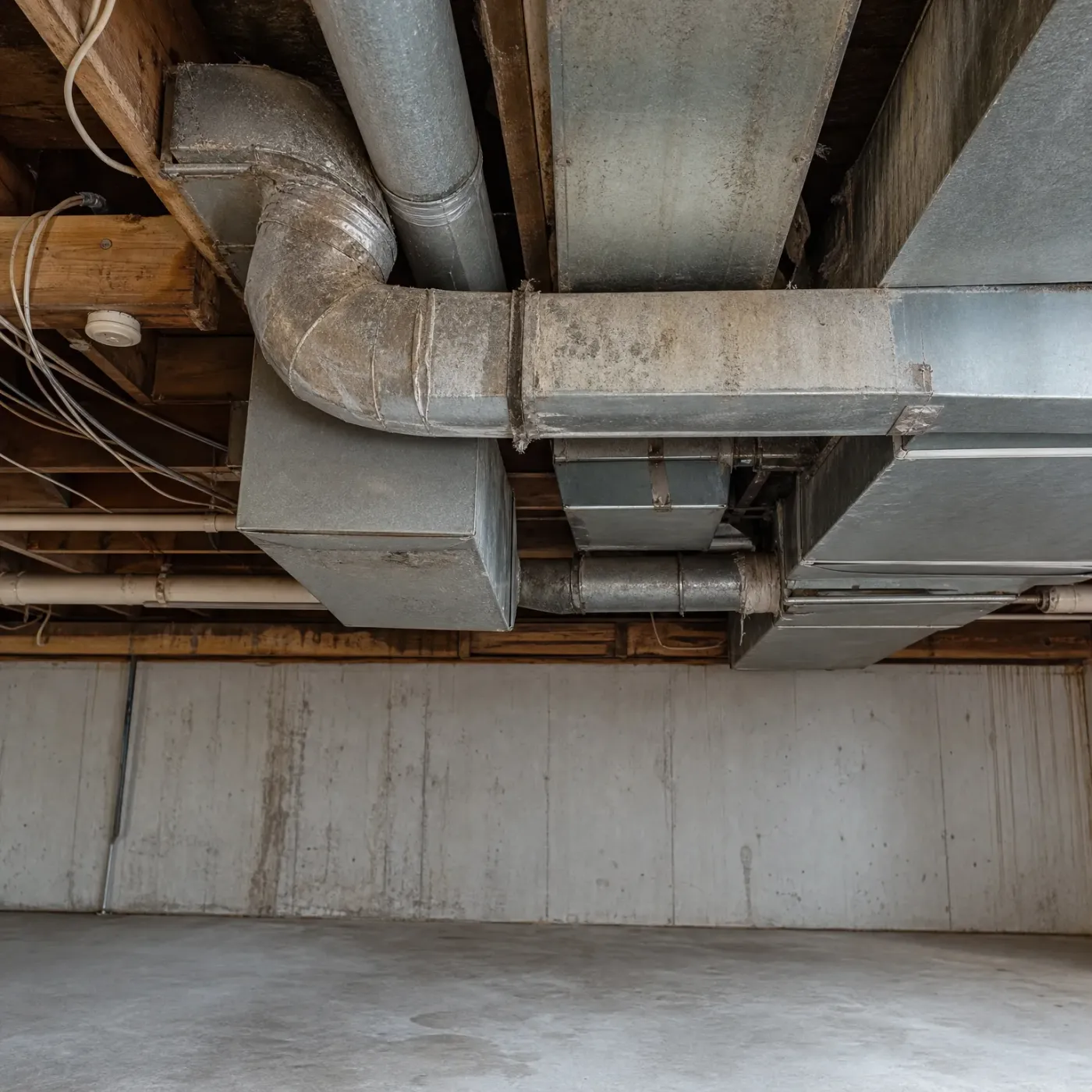
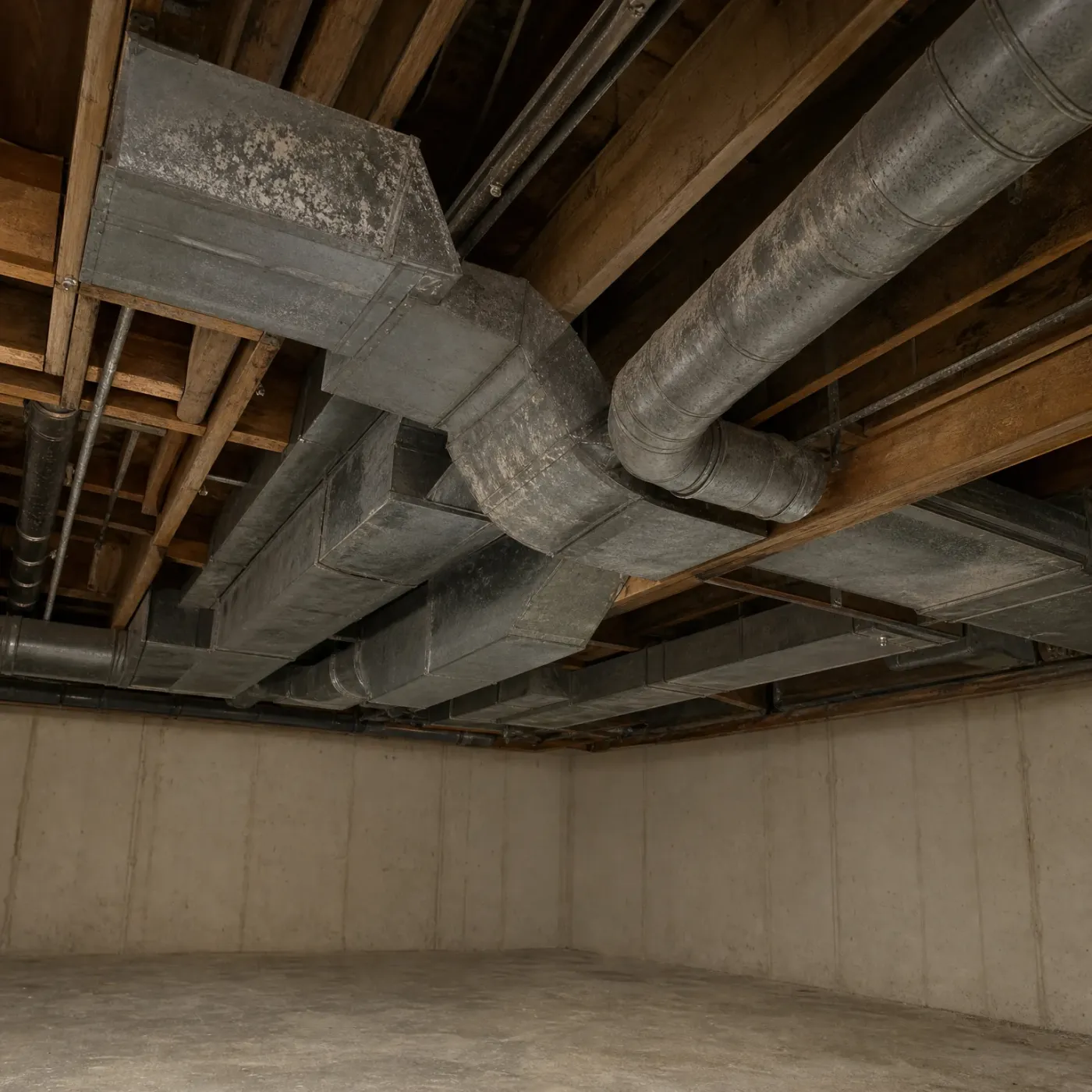
Galvanized sheet-metal ductwork and round pipes run beneath wooden floor joists in a basement with concrete walls and floor.

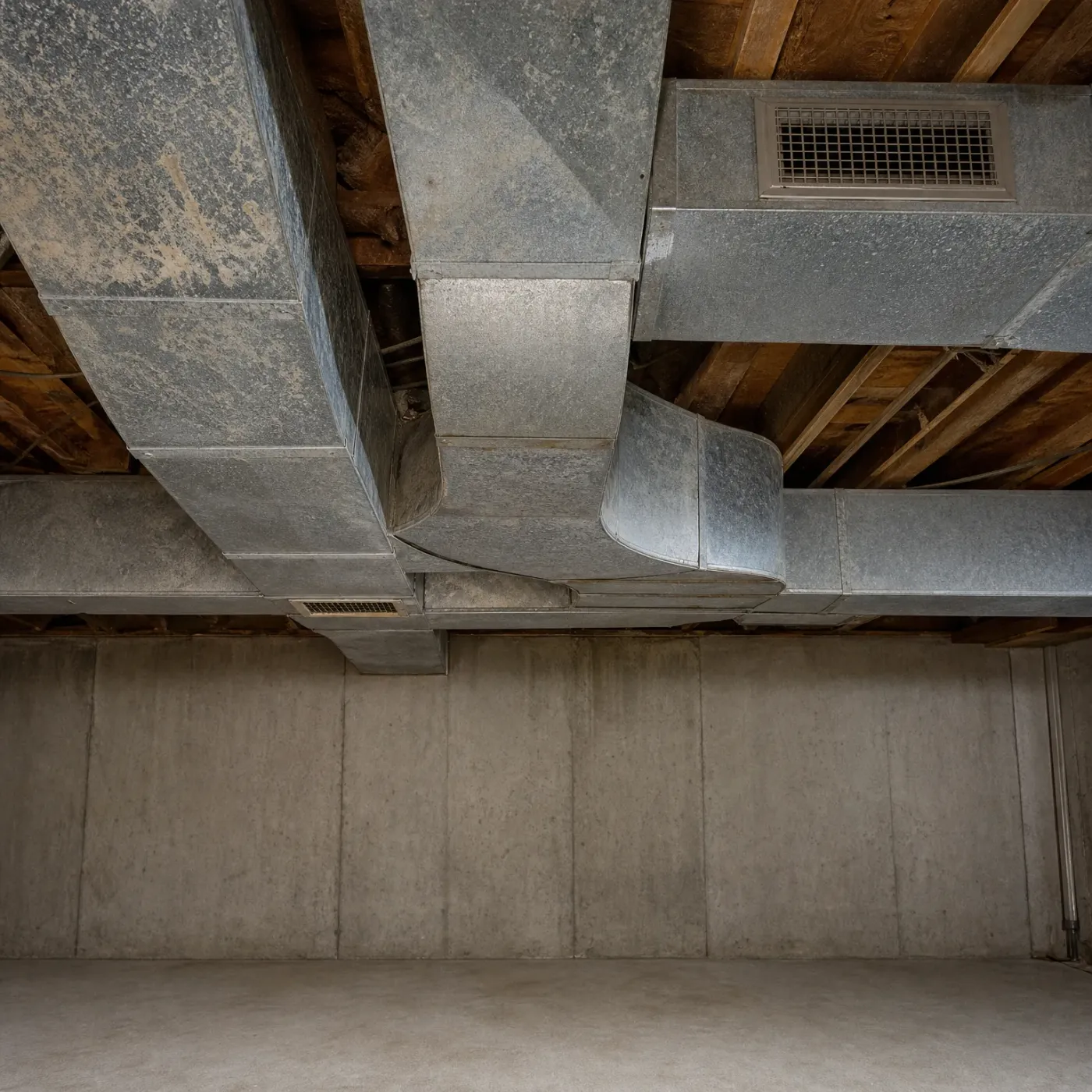
Ducts due for a look

Here the trunk lines and the flex elbow run through the joists with no sign anyone has checked them in years. Dust collects in bends like this one, and a system that looks fine from the register can still be hauling buildup through every run behind it.

Why does my furnace blow dusty air when it first turns on?

You turn the furnace on for the first time that evening and a puff of dust comes out before the air clears. It happens every time the burner kicks on, not just once after it's been sitting all summer. You're left wondering if that first blast means the ducts themselves are dirty or if something else is going on.

That first puff is dust sitting loose in the ducts getting pushed out when the blower starts

When the blower isn't running, dust in the ducts settles toward the bottom of the runs. The moment the furnace kicks on, that first rush of air picks up what's loose and pushes it straight out the nearest register before the system settles into a steady flow. A little of this is normal in any duct system. What isn't normal is when it happens at every cycle, not just after the furnace has sat idle for a while, or when the dust is heavy enough to see across the room. That points to more than a light coating, usually buildup along the seams or runs that's been collecting for a long time and keeps feeding new dust into the airflow every time the blower starts.

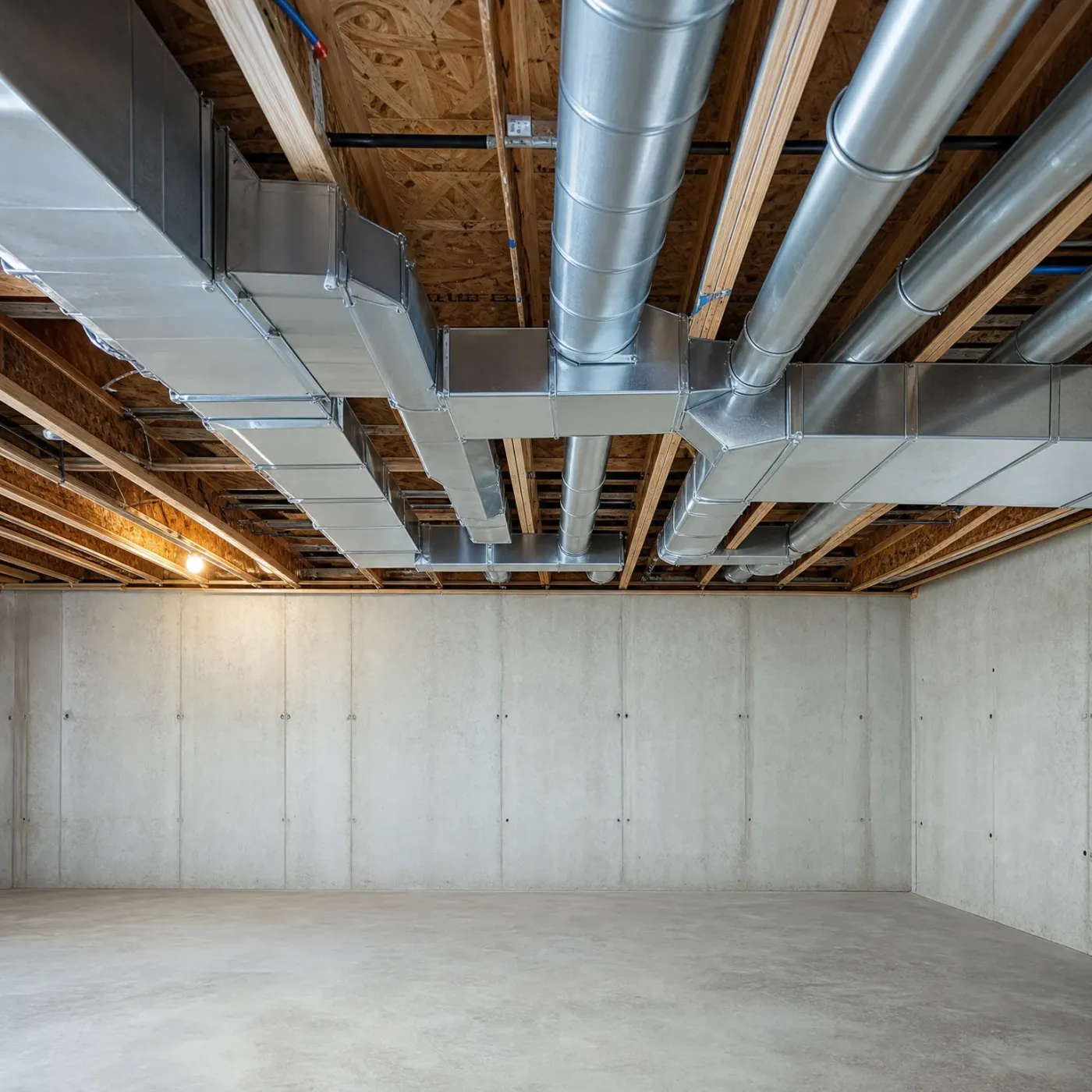
Empty concrete-walled basement room with exposed wooden joists and galvanized rectangular and round ductwork plus pipes running across the ceiling.
Before you get your ductwork cleaning
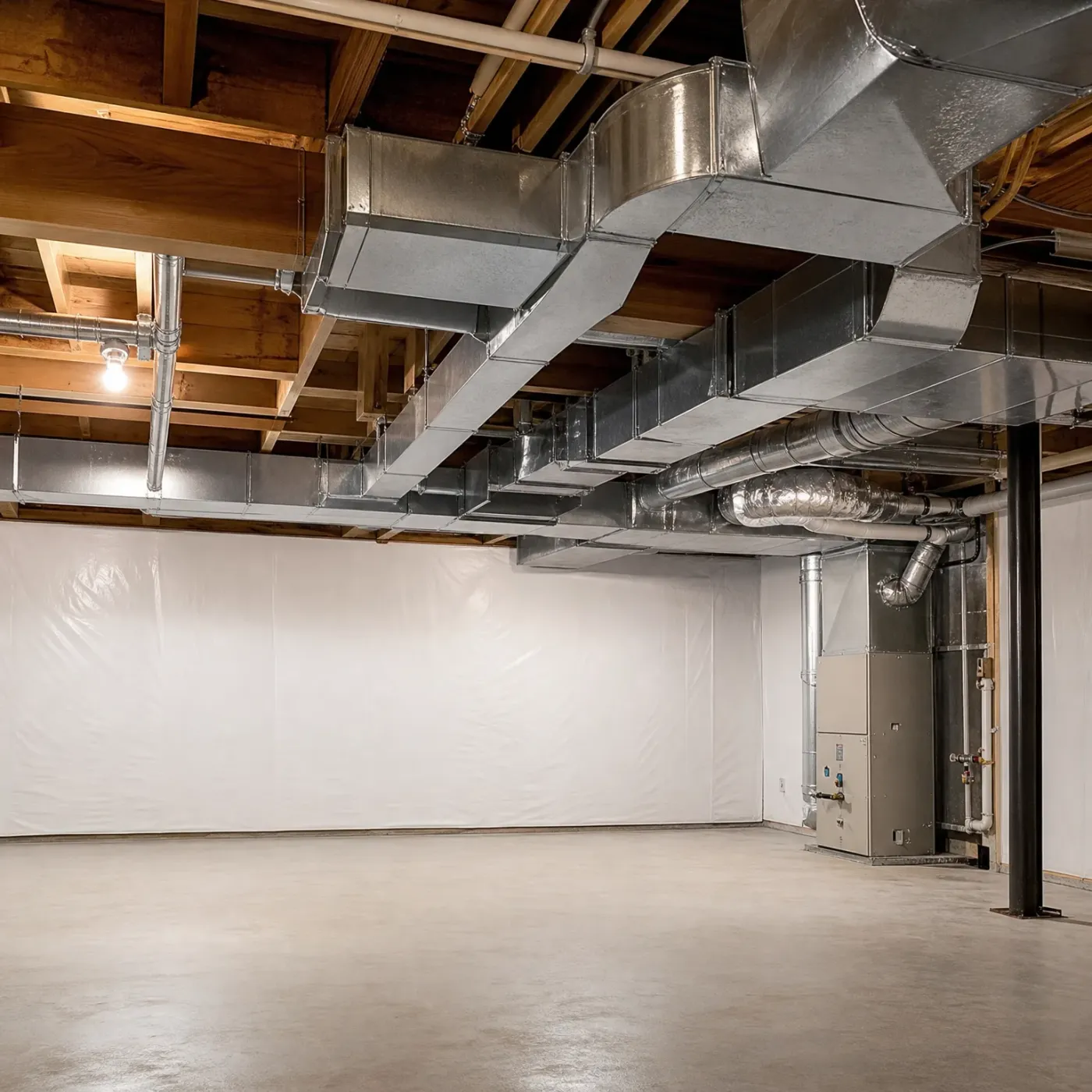
Empty concrete-walled basement room with bare floor and an exposed wood-joist ceiling carrying galvanized rectangular and round sheet-metal ducts, black pipes, and wiring.
After you get your ductwork cleaning
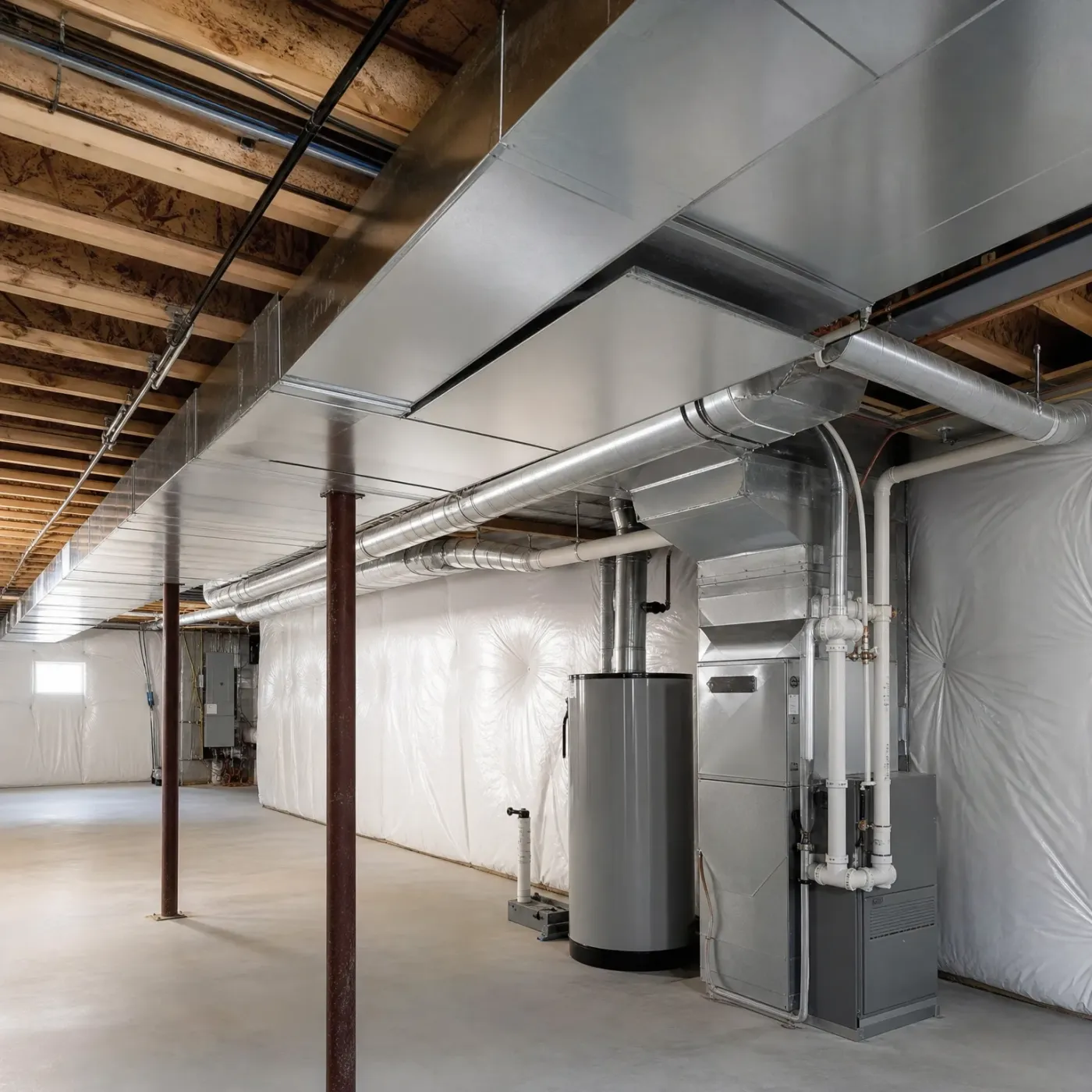
Unfinished basement with concrete floor, plastic-sheeted insulated walls, exposed wood joists, metal support posts, sheet-metal supply ducts, a cylindrical water heater and a furnace with PVC piping.

Find a duct system cleaning pro in Bonneville County

Skip searching for someone who cleans ducts in Bonneville County.

Get matched with a pro who works on ducts in Bonneville County.

Answer a few questions

There's no charge for the request.

Empty basement with bare concrete floor, white plastic sheeting over one wall, exposed wood joists, galvanized sheet-metal ductwork and pipes overhead, and a furnace unit with a steel support column at right.
Clean metal runs, no dust rings at the branch seams, insulation lining the walls instead of bare concrete catching what leaks.
Galvanized sheet metal HVAC ducts with vent grilles run along a wooden floor joist ceiling above bare concrete walls and floor in an unfinished basement.
Ducts turning sharp corners along bare concrete and joists, with nothing sealing the runs where dust has room to settle.
  1. Dust and debris settle in the trunk lines and branch runs over time

  2. Leaky joints and seams pull in dust from attics and crawl spaces

  3. The blower pulls air through the return duct and the buildup inside it

  4. Air picks up loose dust as it passes through dirty sections

Clean the Ducts, or Check First

Clean the ducts

  • A contractor can run a camera through the runs first and show you what's actually sitting in there before any work starts.
  • Cleaning reaches the trunk lines and branch runs a filter change never touches, including the return duct where the blower pulls air through.
  • If the dust coming back fast is from buildup inside the ducts themselves, cleaning is the only thing that gets it out.
  • Sealing gaps at the seams can happen at the same time, which stops dust from attics or crawl spaces getting pulled back in.
  • It won't fix a musty smell coming from somewhere else, like a damp crawl space or a clogged condensate line near the furnace.

Look elsewhere first

  • If the filter is old or the wrong size, swapping it can clear up dusty air without touching the ductwork at all.
  • A dirty coil or a failing furnace humidifier can cause a musty smell that cleaning the ducts won't touch.
  • Dust that settles again within hours, not days, often points to something inside the house stirring it up, not the ducts.
  • Checking the attic or crawl space for an open or disconnected duct run can explain dust nobody can find the source of.
  • If the system is newer and the ducts were sealed when it went in, buildup is less likely to be the cause yet.
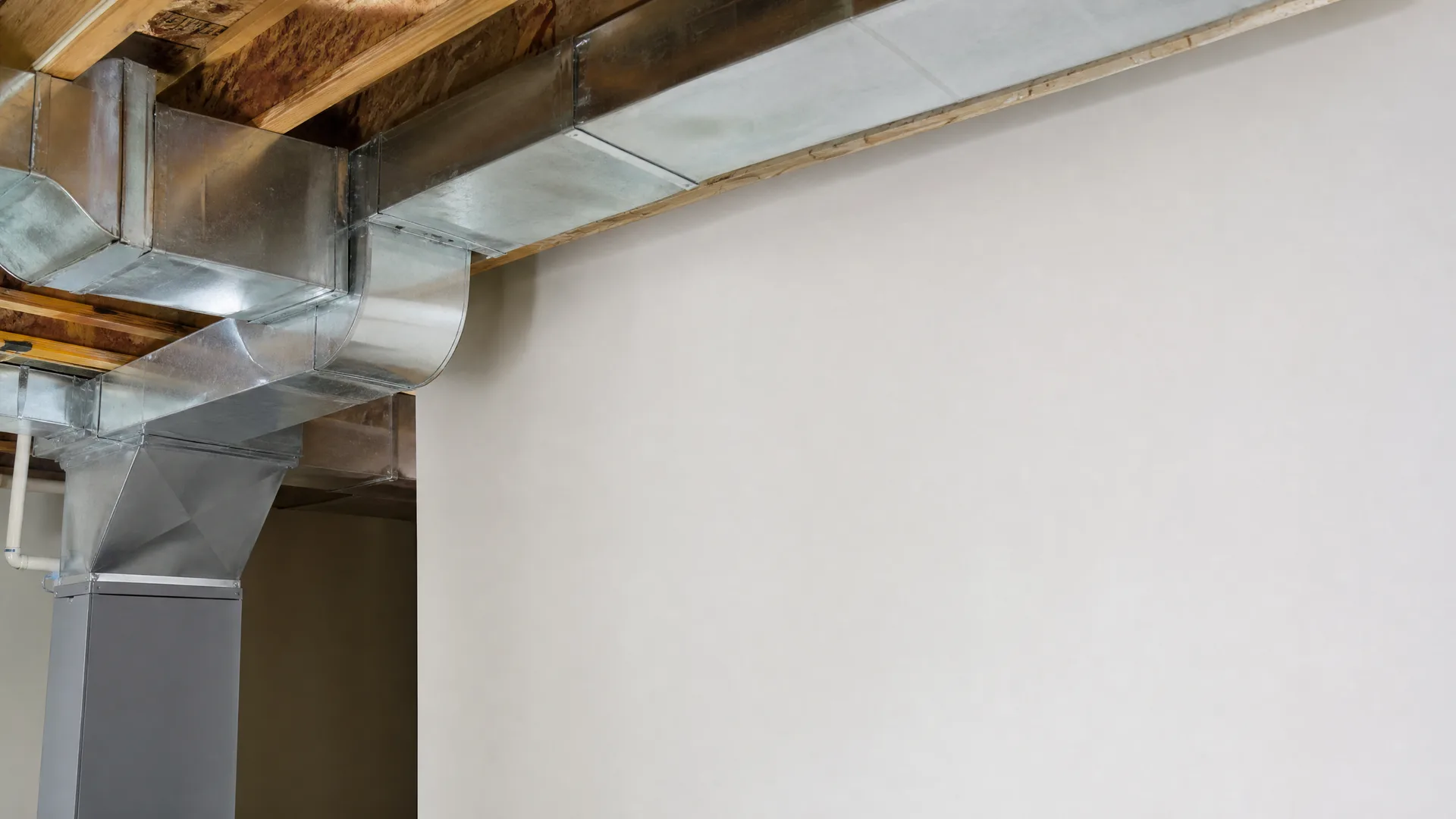
Galvanized sheet-metal HVAC ducts running along wooden joists at a basement ceiling, next to a plain off-white wall.

What a return duct hides

The return duct pulls air out of your rooms and pushes it back through the blower, so anything loose on the floor or furniture near a return gets drawn in first. Over years that air travels past bare metal seams and branch runs where dust has room to settle before it ever reaches the filter. A filter catches what passes through it going forward. It does nothing for what already lined the inside of a duct ten years ago.

Unfinished basement interior with galvanized sheet-metal HVAC ductwork and round pipes running along a wooden joist ceiling, a furnace and water heater at the far end, and a blank white wall filling the left half of the frame.

Why sealed runs matter

A duct system that runs through a crawl space or attic picks up whatever sits in those spaces if the seams aren't sealed. Trunk lines and flex runs that fit tight at the joints keep attic insulation fibers and crawl space dust out of the air you breathe. Where a seam has opened up over time, outside air gets pulled in every time the blower runs, which is why two homes with the same furnace can end up with very different amounts of buildup inside the ducts.

Half the homes here were built by 1985

If your house went up around 1985 or earlier, its ductwork has likely never been swapped out, just patched or added to over the years. Every seam and joint from that original install has had decades to work loose and collect dust. A newer build has had far less time to build that up.

ACS 2020-2024

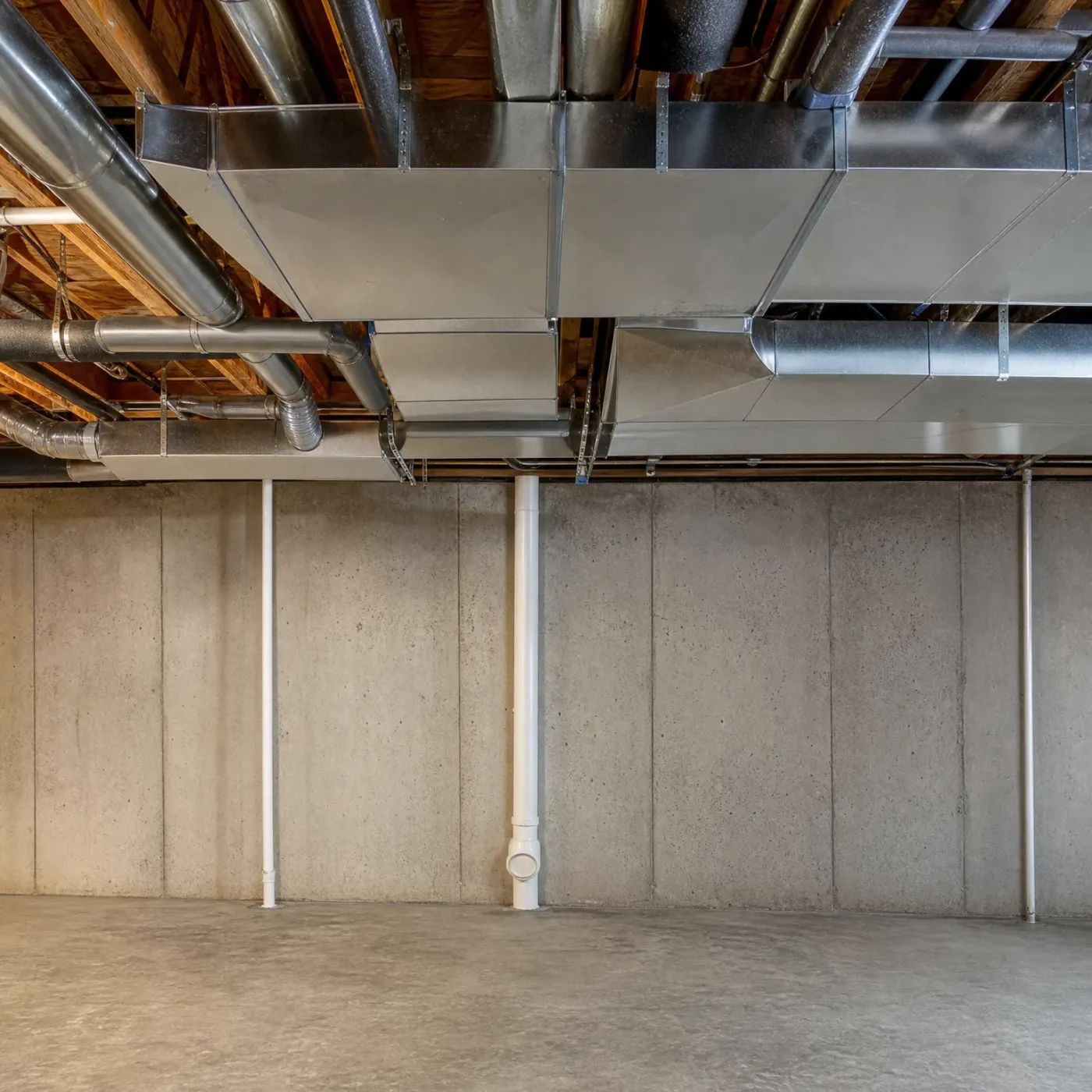
Unfinished basement with poured concrete walls, a bare concrete floor, white PVC pipes running down the wall, and exposed sheet-metal HVAC ductwork beneath wood floor joists.

Sealed runs in a finished basement

These trunk lines sit tight against the joists with every seam closed. Round pipe and rectangular duct both run straight to where they need to go, and the concrete floor underneath stays clean because nothing is leaking out along the way.

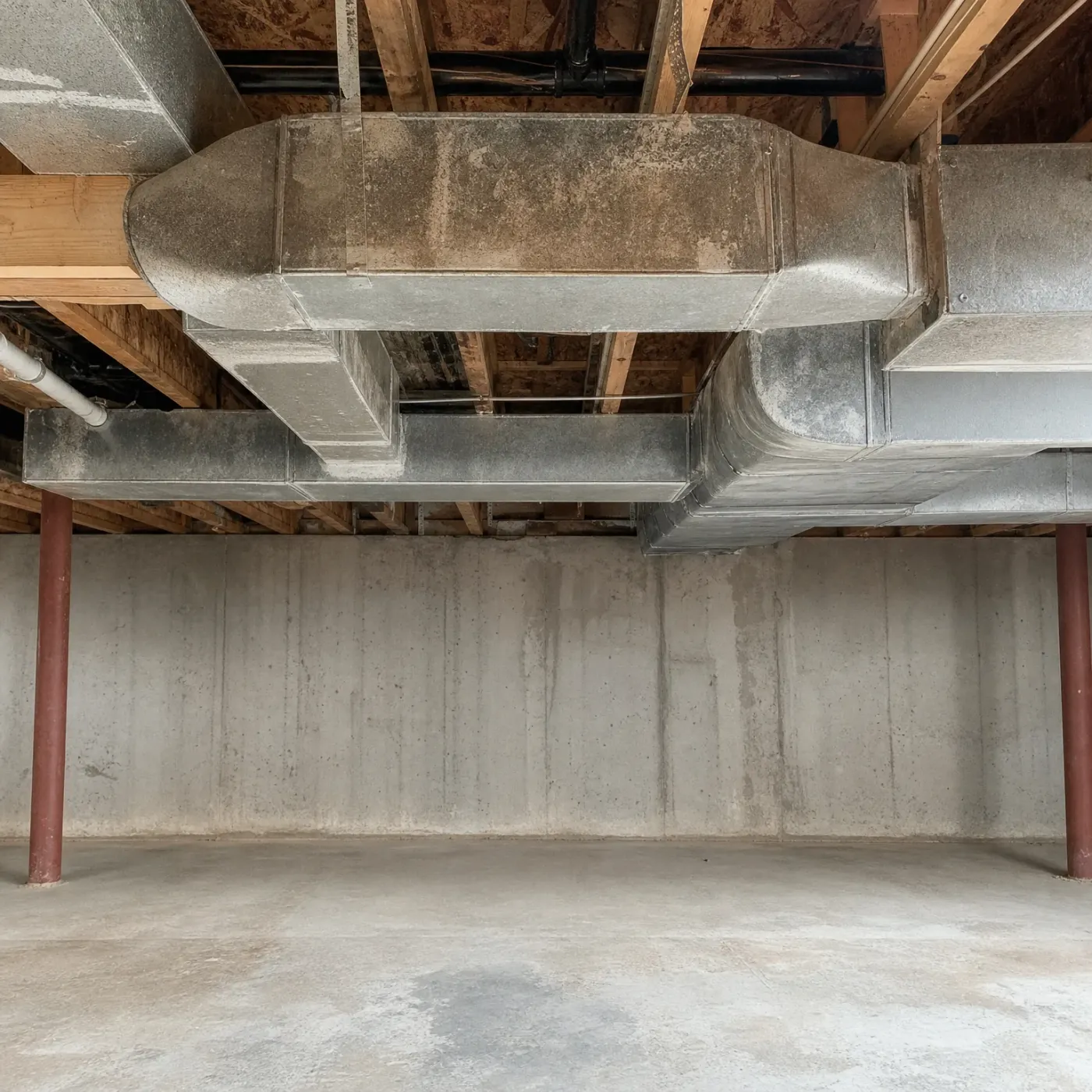
Unfinished basement with bare concrete walls and floor, galvanized sheet-metal HVAC ducts running beneath wooden floor joists, and two red steel support columns.

Open runs with nowhere to hide buildup

Here the ductwork hangs exposed below the joists, turning corners over bare concrete. Gaps at the joints give dust a place to collect and a way back into the air every time the blower kicks on.

A man with a duffel bag walks up a concrete path toward a white board-and-batten house where a woman stands in the open wooden front door, flanked by potted plants and black lanterns.

If the signs are there, the ducts are telling you something

Dust that comes back fast, a musty smell on startup, buildup around the registers. If you've noticed any of it, you already have your answer. Ductwork that's gone decades without attention, especially in a house from 1985 or earlier, collects what it carries, and the symptoms show up in the air before you ever see the inside of a duct.

Knowing the signs is one part of it. Finding someone who can look at your specific setup and tell you what's actually going on in your runs is the other. A contractor who serves Idaho Falls and the rest of Bonneville County can take it from here, so you're not the one calling around, explaining the dust and the smell twice over, and trying to sort through quotes on your own.

A living room with a cream sofa and knit throw beside a window, with a wooden coffee table in the foreground holding a round woven tray, a small bowl, and a speckled vase of green leafy branches.
A smiling bearded man in a dark green sweater sits at a dinner table with a glass of red wine, a bowl of salad and a lit candle in the foreground, in a dimly lit room with a framed picture, lamp and potted plants behind him.
A woman in a cream knit sweater reclines on a sofa with her eyes closed and a slight smile, a closed dark book resting on a blanket in the foreground and a lit lamp and small potted plant behind her.

Ductwork Cleaning

A local pro for your ductwork cleaning

Skip calling around for someone who cleans ducts.

A smartphone with a blank green screen stands upright against a plain light gray background.
Duct and vent cleaningDucts or ventsBonneville County, ID
Step 1 of 2

What ZIP code is the job in?