
Why your AC is blowing dust in Idaho

A local pro who services air conditioners gets in touch about the tune-up.

Tune-up, service, or cleaningCentral ACIdaho
Step 1 of 2

What ZIP code is the job in?

That fine dust coming out of your vents is usually dirt the filter stopped catching. In Idaho's dry summer heat, your AC runs long hours, and it pulls a lot of air through that filter. A filter that's clogged or the wrong fit lets air slip around its edges instead of through it, carrying dust straight into your ductwork and back out through the vents. Loose duct connections do the same thing, pulling in dust from the attic or crawlspace every time the system runs. Either way, what you're seeing is a sign the air moving through your house isn't getting filtered the way it should. Left alone, that dust settles on the coil inside the unit, and a dirty coil makes the whole system work harder to cool the same air. Checking the filter is the first step. If it's clean and the dust keeps coming, the leak is somewhere in the ducts.

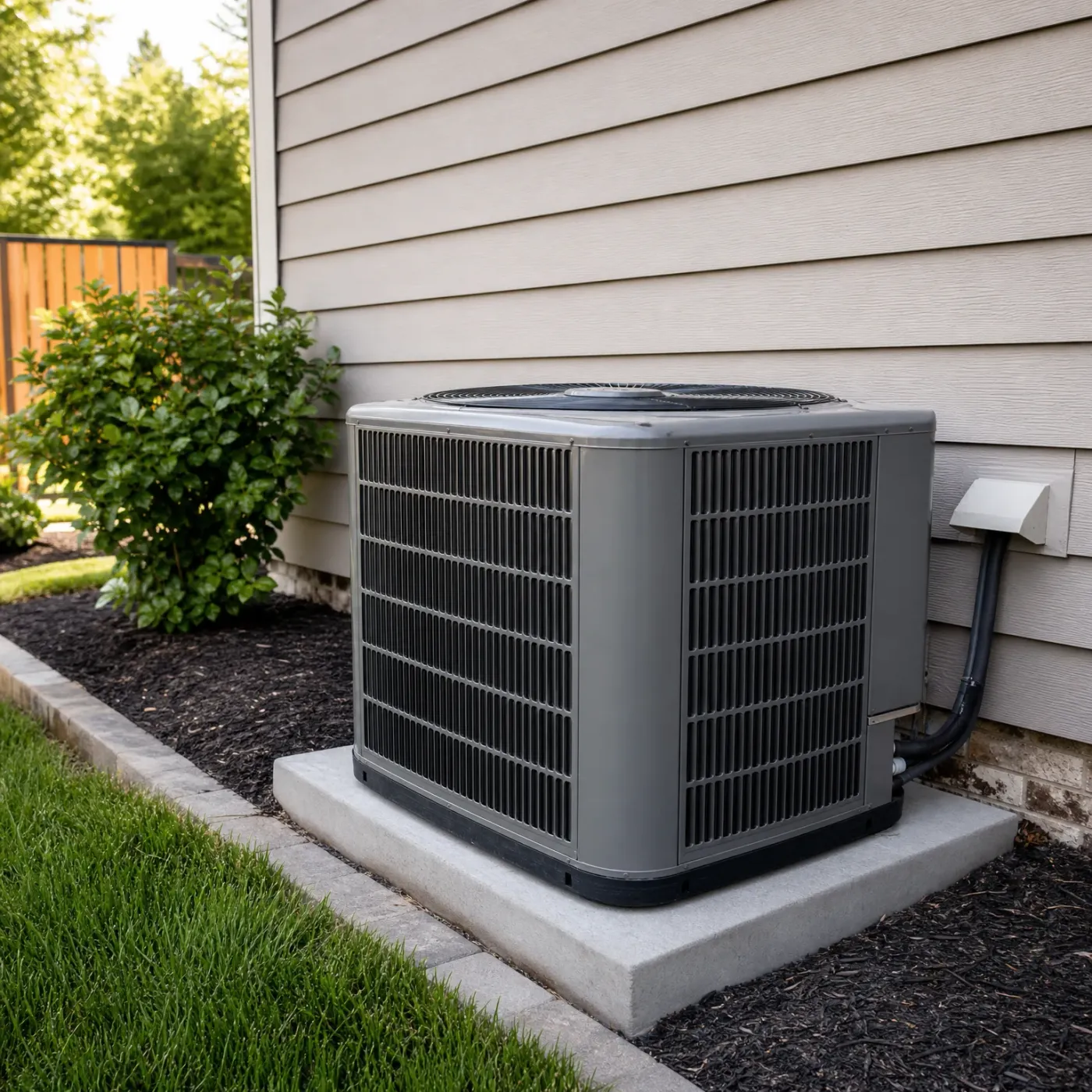
A gray outdoor air conditioner condenser unit on a concrete pad beside a house with horizontal lap siding, with a wall-mounted disconnect box and conduit at left and a green shrub and mulch bed at right.

Clean Airflow

Here the filter sits tight in its slot, and the coil behind it stays white. Air coming off the vents feels steady, not weak, even when the unit runs most of the afternoon. Nothing escapes around the edges because the filter is the right fit for the frame.


An outdoor air conditioner condenser unit on a concrete pad beside a house with horizontal lap siding, with a conduit running to a gray electrical disconnect box on the wall.

Dust Blowing Through

Here the filter has gaps at the corners or a layer of dust built up on its face. Air finds the easier path around it instead of through it, and that pulls dirt straight into the ductwork. The coil behind it is doing less work than it should, so the system runs longer to keep up.

A woman with long gray hair wrapped in a checked blanket sits on a sofa by a window with yellow autumn foliage outside, with a lamp, framed picture and plant in the background.
An older woman in a cream knit sweater sits on a sofa by a window, looking out at sunlit trees with yellow and orange autumn leaves, with a bookshelf and lamp behind her.
A woman with gray shoulder-length hair in a dark knit sweater sits on a cushioned seat by a window, looking out at yellow autumn foliage, with a living room, armchair, houseplant and framed picture behind her.
An older woman with gray hair in a bun, wearing a cream knit sweater, sits on a sofa with a gray blanket and looks out a large window toward yellow-green autumn trees, with a lit table lamp and dark armchair behind her.

One filter size fits one slot

A filter that's even a quarter inch off lets air slide past its edges instead of through it. That gap is how dust gets into the coil and back out your vents.

Get one local pro

The coil is built to stay white

Dust that settles on the coil doesn't wash off with airflow. Once it's coated, more dust rides past it, and a contractor who checks it every season catches this before it builds up.

Get one local pro

Filter Change or Full Inspection

Filter Only

  • A clean filter catches dust before it reaches the coil, but it does nothing about dust already loose inside the ducts.
  • Swapping filters on schedule keeps the supply side clear, yet it won't stop dust that's built up on the blower wheel from shedding into your rooms.
  • If the ductwork has a loose joint or a gap somewhere, air gets pulled in around the filter and carries dust with it no matter how often you change it.
  • A new filter tells you nothing about whether the coil behind it is already coated, since that part is out of sight.
  • Dry Idaho summers mean more dust in the air to begin with, so the filter alone is working against a steady supply it can't fully keep up with.

Full Checkup

  • A contractor can pull the blower wheel and check it for dust buildup, something a filter change never touches.
  • Checking the duct connections for gaps catches the kind of leak that lets dust bypass the filter entirely.
  • Looking at the coil tells you whether dust has already settled there, which a clean filter alone won't show you.
  • A local contractor who services AC systems through Idaho's long summers has seen which parts tend to collect dust first in this climate.
  • Matching the filter size and type to your actual unit, not just the slot, closes the gap that lets air slip past unfiltered.
A gray outdoor air conditioning condenser unit on a concrete pad beside a house with horizontal lap siding, with a wall-mounted disconnect box and conduit, and shrubs to the left.

Running Clean

The condenser sits on its pad, coils clear, nothing blocking the fins. Idaho's dry summer air doesn't carry much moisture, but it carries plenty of dust, and a unit kept clear of debris can pull air through without pushing loose dirt back inside.

An outdoor air conditioning condenser unit on a concrete pad beside a house with horizontal siding and a concrete foundation, with dry brown leaves on the ground to either side.

Clogged and Neglected

Leaves piled against the cabinet, grime coating the fins. A condenser left like this works harder to move the same air, and dirt around the outdoor unit often matches what you're seeing drift out of your vents.

Why does my house feel dustier than it used to?

You're wiping down the same shelf twice in a week. The TV screen gets a film on it by Thursday. Maybe you've noticed a faint burnt smell when the AC first kicks on, or the vents look gray around the edges where the cover meets the wall. Sleeping with the bedroom door shut doesn't help the way it used to. None of this means anything is broken yet, but dust that's getting past the filter is landing on the blower wheel and the coil, and once it builds up there, your AC moves less air for the same run time. Anyone in the house with allergies or asthma usually notices before anyone else does.

An outdoor air conditioning condenser unit on a concrete pad beside a house with light vinyl siding, an electrical disconnect box and conduit on the wall, bare shrubs and mulch to the right, and a concrete walkway in the foreground.
Before you get your air conditioner maintenance
An outdoor air conditioner condenser unit on a concrete pad beside a house with beige horizontal siding and a stone-veneer base, with refrigerant lines running to a gray wall-mounted electrical box, surrounded by dark mulch, a flowering shrub and an evergreen on the left.
After you get your air conditioner maintenance
A gray outdoor air conditioning condenser unit on a concrete pad beside a house with horizontal vinyl siding, with mulch, a shrub, and lawn nearby.

A local pro for your air conditioner maintenance

Your request stays with one local pro.

Describe your air conditioner job, and a local pro who handles it gets in touch.

Find a licensed pro

Sending the form costs nothing.

Why does dust come out of my vents right when the AC turns on?

You've noticed it happens right at startup, not while the AC is running steady. The blower kicks on and a puff of dust comes through before the air settles down and runs clean. That timing isn't random, and it points to a specific spot in the system rather than the filter itself.

That first puff comes from the blower wheel, not the filter

When the blower sits off, dust that's slipped past the filter settles on the blower wheel and in the duct right behind it. The second the fan spins up, that loose dust gets thrown into the moving air before anything else does. Once airflow is steady, the dust already in the system has mostly cleared out and what's left is whatever the filter is catching in real time. In Idaho's dry summer, the AC cycles on and off for hours at a stretch, so this startup puff happens over and over, each time adding a little more dust to the duct and the coil behind the blower.

An outdoor air conditioning condenser unit on a concrete pad beside a house with white horizontal lap siding, with an electrical disconnect box and insulated refrigerant line on the wall and a shrub over mulch to the right.
This condenser's coil fins are clear and the cabinet looks tended, which is what lets it pull air through instead of pushing dust back into the house.
An outdoor air conditioner condenser unit on a concrete pad beside a house with light horizontal lap siding, with an electrical disconnect box and conduit on the wall behind it.
Weathering like this often comes with fins packed full of debris, and a clogged coil is one more way dust ends up back in your vents.

Power costs 11.83 cents per kilowatt-hour statewide

At 11.83 cents a kilowatt-hour, running your AC long hours on a dusty filter costs you twice. You're paying to push air through a clog, and paying again when that dirty air finds its way back into the house. A clear filter and a clean coil keep the unit working the way it's supposed to.

EIA-861 2025 statewide residential average

A woman in a cream knit sweater sits in an armchair with her eyes closed near a window showing yellow autumn foliage, with a mug on a round wooden side table beside her.
A gray-haired man with a beard in a blue button-placket shirt reclines on a couch with his eyes closed, beside a sunlit window with a green plant.

Where This Leaves You

  • Dust in your vents almost always traces back to a filter that's clogged, the wrong size, or a coil that's gone untended.
  • A tech who services AC units all over Idaho every summer knows which of those three to check first.
  • Clearing the coil and fixing the filter fit stops the dust at the source instead of just catching it after the fact.
  • Once you're matched, one licensed local contractor reaches out, not a handful of companies competing for your callback.
  • A system that's clean inside runs the same long hours without feeding dust back through your vents.

The dust coming through your vents has a source, and it's one of three things: a filter that's clogged, one that's the wrong size for the slot, or a coil that's been collecting dirt behind it. None of that clears up on its own. Idaho summers mean your AC runs long hours pulling dry, dusty air through that filter day after day, and whatever gets past it settles on the coil and works its way back into your house every time the blower kicks on.

Finding which of the three is behind your dust takes someone who's looked at a lot of units in a lot of Idaho homes during a lot of summers like this one. A contractor who services AC systems here every season has a sense for which of those three usually turns out to be the problem in a given case, and checks it first instead of working through all three blind.

When you ask for that help through this page, you're matched with one licensed contractor local to your area, not put on a list that gets sold to several companies at once. That means one call, from someone who already knows the kind of system you're running and what tends to go wrong with it out here. Clear the filter problem and tend to the coil, and the dust stops getting back into your air in the first place. The unit keeps running the same long hours. It just stops feeding dust through your vents while it does.

A gray outdoor air conditioning condenser unit on a concrete pad beside a house with light horizontal siding, with gravel, dark mulch, shrubs and lawn nearby and a conduit box on the wall.

Get the right pro for your air conditioner

Find a local pro

Your request goes to one pro, not a list of companies.

You're not committing to anything by asking.