
HVAC Installation in Blackfoot, ID
A new system here will heat from September through June and cool from July through August every year. Tell us about the house, and a licensed contractor who covers Bingham County will get in touch.
Tell us about the job
It takes about a minute.
A system that has to work almost all year
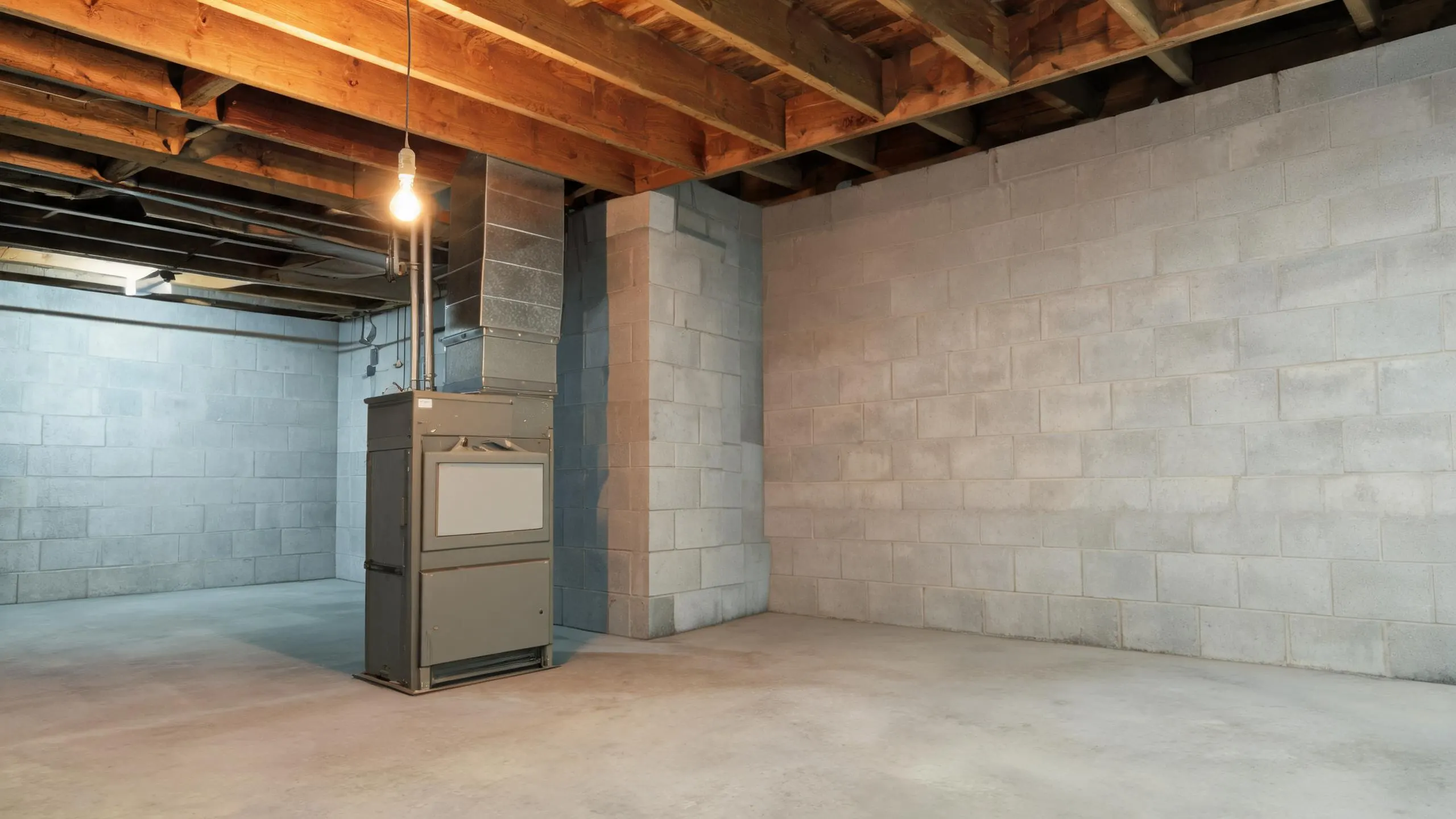
Winter nights here average 16°F from December through February, and homes need heat from September through June. That is ten months of the year the furnace or heat pump is doing real work, not just taking the edge off. Summer only asks for two months of cooling, but 81°F afternoons still mean the air conditioner has to earn its keep when it runs.
A new system has to handle both ends of that. It needs to hold up through a long, cold heating season and still cool the house well in July and August. Almost half the homes here heat with gas, so whatever gets installed should fit how this area actually heats, not just what runs cheapest to put in.
- 10 months
- September through June, your system heats
- 2 months
- July through August, it cools
- 16°F
- the average winter night it heats against
- 81°F
- the average summer afternoon it cools against
NOAA nClimDiv, 1991–2020 normals
Idaho requires HVAC contractors to hold a state license.
The license is held by the contractor, not issued job by job, so the same license covers this installation and whatever else that contractor takes on. It comes from the state's HVAC Board, which put the contractor on record before any work started.
For this job, that license is what stands behind the person doing the work. Most cities and counties also require a permit from the local building office when a furnace, air conditioner or heat pump is installed, with an inspection once the work is done. The license tells you the contractor was vetted. The permit and inspection tell you this particular installation was checked.
Sources: Idaho Legislature · Idaho Division of Occupational and Professional Licenses
- When should I replace my HVAC system?
- Replace it when repairs get frequent, when it's old enough that parts are getting harder to find, or when it can't keep the house warm through winter here. Nights average 16°F from December through February, and a furnace that's struggling will show it right when you need it most. If a contractor has already been out more than once this year for the same problem, that's worth paying attention to. Waiting for it to fail completely often means picking a system in a hurry instead of choosing the right one.
- Should I replace my furnace and air conditioner at the same time?
- If both are old, it usually makes sense to do it together. Homes here need heat from September through June and cooling only in July and August, so the furnace carries most of the load and tends to wear out first. A furnace and air conditioner installed years apart can end up mismatched in size or airflow, and replacing one now can mean redoing part of the work when the other fails later. A contractor can look at both and tell you whether pairing them makes sense for your house.
- What happens during an HVAC installation?
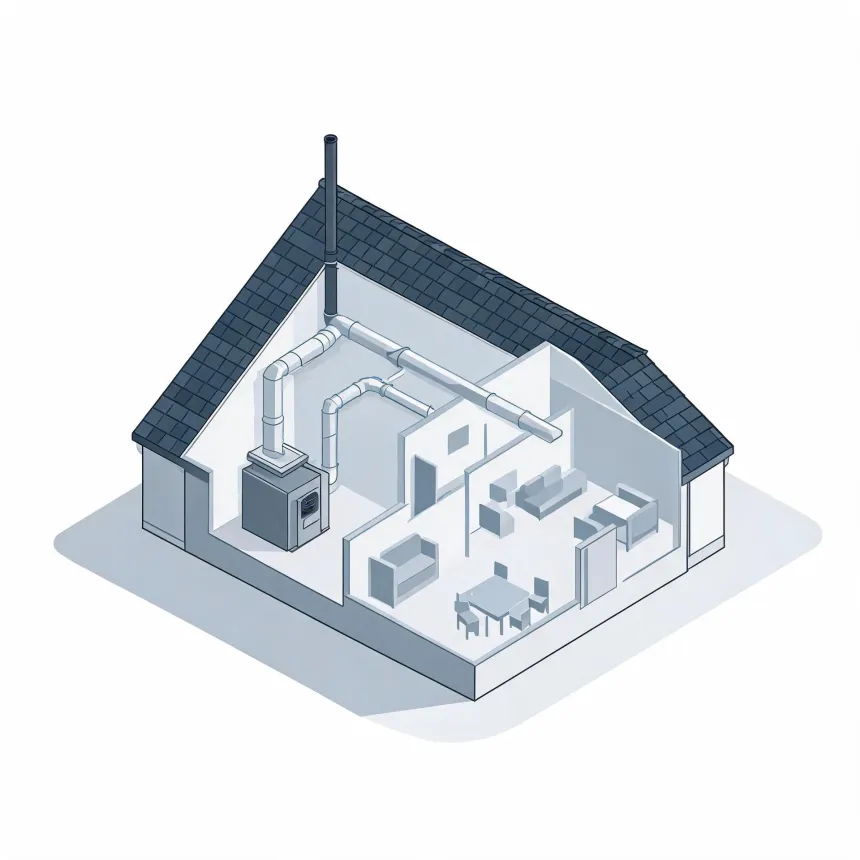
- A contractor removes the old furnace and air conditioner, sets the new equipment in place, and connects it to the ductwork, gas line or refrigerant lines, and electrical. After that comes startup and testing, checking airflow, checking the thermostat, and making sure the system cycles the way it should. Replacing a furnace or air conditioner here requires a permit from the local building office, and the work gets inspected once it's done. That inspection confirms the installation was done to code, which matters for a system that has to carry a house through a 16°F winter night.